


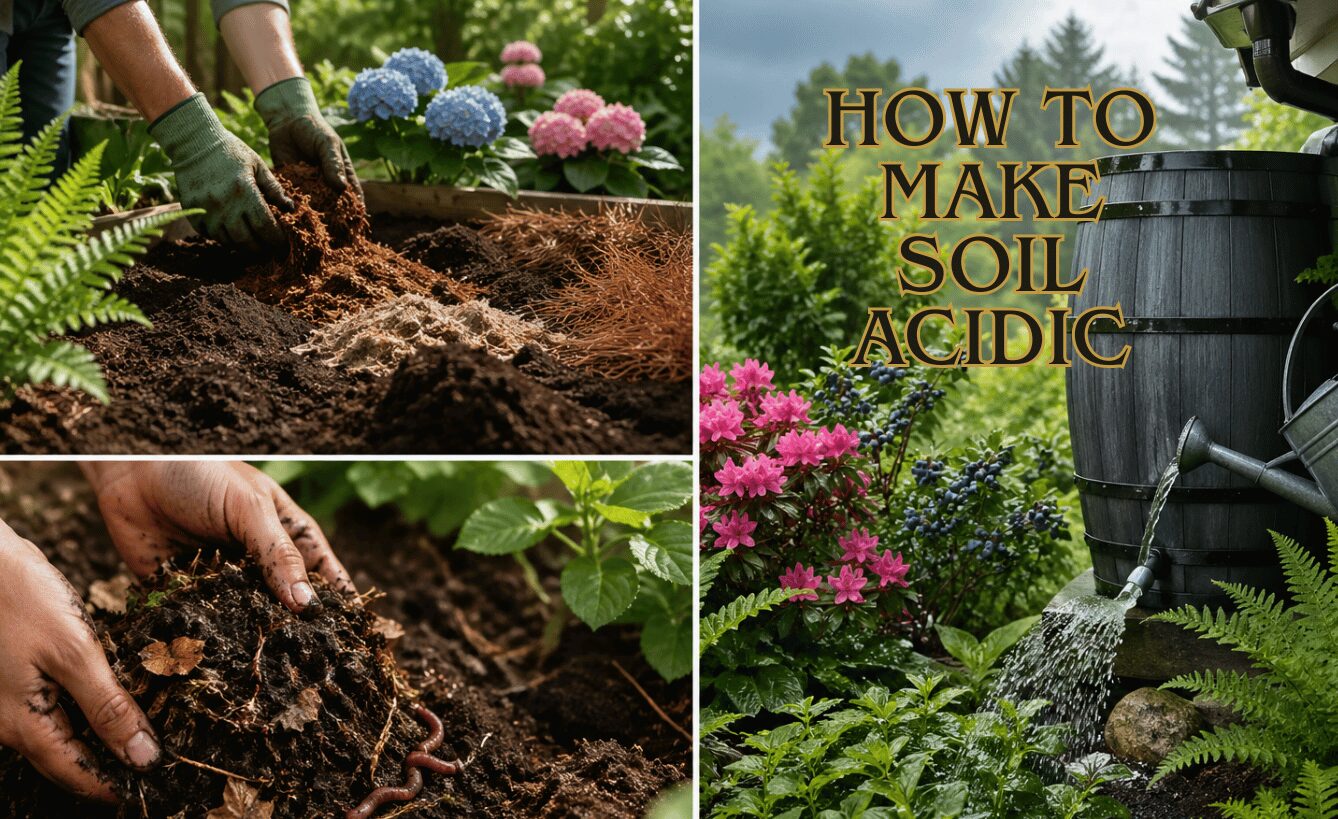
Healthy soil is the foundation of every successful garden, and understanding how to Make Soil Acidic can completely transform plant growth and performance. Whether you are growing vegetables, flowers, herbs, or indoor plants, soil pH plays a crucial role in how well plants absorb nutrients and develop over time.
While some plants thrive in neutral soil, many popular gardens and ornamental plants prefer slightly acidic conditions. When you learn how to Make Soil Acidic and maintain the right balance, essential nutrients like iron, manganese, and phosphorus become more available, resulting in stronger roots, greener leaves, and healthier, more vibrant growth throughout your garden.
In this guide, you’ll learn simple, natural, and organic ways to make soil acidic without harming the environment or your plants. These methods are safe, budget-friendly, and perfect for home gardeners who want long-term soil health.
| Topic | Overview | Benefit |
| How to Make Soil Acidic | How to Make Soil Acidic involves naturally lowering soil pH using organic and safe gardening methods | Improves overall plant health |
| Soil pH Basics | Soil pH ranges from 0–14; below 7 is acidic | Helps identify soil condition |
| Organic Methods | Compost, pine needles, coffee grounds, peat moss | Gradual and natural acidification |
| Quick Method | Vinegar solution (used occasionally) | Temporary pH adjustment |
| Long-Term Method | Sulfur-based soil amendments | Stable and lasting results |
| Watering Method | Rainwater instead of hard tap water | Maintains natural soil balance |
| Acid-Loving Plants | Blueberries, hydrangeas, azaleas, ferns | Better growth and flowering |
How to Make Soil Acidic?
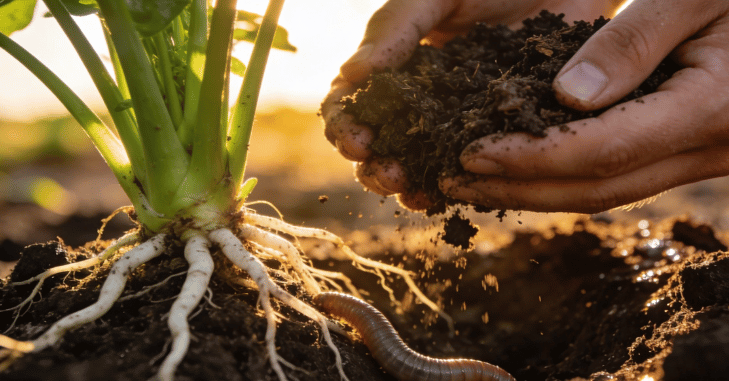
Understanding how to Make Soil Acidic is essential for creating a healthy and productive garden, especially for plants that thrive in lower pH conditions. Soil can be made more acidic naturally by using organic methods such as adding compost, pine needles, coffee grounds, peat moss, and rainwater, all of which gradually reduce soil pH while improving soil structure and fertility.
These natural techniques not only help adjust acidity but also enhance nutrient absorption, encourage stronger root development, and support overall plant growth. By learning how to Make Soil Acidic and applying these simple practices consistently, you can create a balanced soil environment that promotes healthier plants and long-term garden success.
Understanding Soil Acidity and Why It Matters
- Soil pH measures how acidic or alkaline your soil is on a scale from 0 to 14
- A pH below 7 is acidic
- A pH of 7 is neutral
- A pH above 7 is alkaline
- Most plants prefer a pH range between 6.0 and 7.0
- Acid-loving plants like blueberries, azaleas, gardenias, hydrangeas, and snake plants prefer more acidic soil conditions
Why is acidic soil beneficial?
- Improves nutrient absorption
- Encourages strong root development
- Enhances microbial activity in the soil
- Helps prevent nutrient lockout
- Supports lush, green foliage growth
- When the soil is too alkaline, plants may struggle to absorb essential nutrients
- This happens even when nutrients are present in the soil, leading to hidden deficiencies and poor plant health
How to Test Your Soil Before Making It Acidic
Before making any changes to your soil, it is important to first understand its current pH level. You can easily do this using simple methods such as a home soil pH test kit, a digital soil pH meter, or by sending a soil sample to a local agricultural laboratory for more accurate results.
Generally, acid-loving plants thrive in a pH range of 4.5 to 6.0; most common garden plants grow best between 6.0 and 7.0, and alkaline-tolerant plants can handle 7.0 and above.
Add Organic Compost and Leaf Mold

Organic matter is one of the most effective natural ways to slowly acidify soil while improving its structure and fertility.
How it works
As organic materials break down, they release mild natural acids that gradually reduce soil pH over time and create a healthier growing environment for plants.
Best materials
Organic compost and leaf mold work best when made from oak leaves, pine needles, fruit and vegetable scraps, grass clippings, and coffee grounds, all of which contribute to slow and steady acidification.
Benefits
This method improves soil fertility, enhances moisture retention, boosts beneficial microbial activity, and helps create long-term soil balance for healthier plant growth.
Tips
To get the best results, mix compost into the topsoil regularly, use leaf mold in garden beds and pots, and avoid adding too much compost in one area to maintain proper soil balance.
Use Pine Needles
Pine needles are one of the most popular natural soil acidifiers.
How to use it?
- Spread a layer of pine needles around plants
- Use them as mulch in garden beds
- Mix aged pine needles into the soil
Advantages
- Slowly releases organic acids
- Reduces weed growth
- Helps retain soil moisture
- Ideal for acid-loving plants
Coffee Grounds for Gentle Acidification

Used coffee grounds are a simple household waste that can naturally help improve soil acidity in a gentle way. They can be applied by lightly sprinkling them into the soil, mixing them into compost piles, or adding small amounts to potting soil.
This method slightly lowers soil pH, adds valuable nitrogen, improves microbial activity, and enhances overall soil texture, making it healthier for plant growth. However, it is important to use coffee grounds in moderation because excessive amounts can cause soil compaction and reduce proper air circulation in the soil.
Use Vinegar Solution
How to use?
- Mix 1 tablespoon of vinegar in 1 gallon of water
- Apply the solution around the plant base, not directly on the roots
- Use only occasionally when needed
Benefits
- Quickly lowers soil pH
- Helps with temporary soil pH correction
- Can revive plants suffering from nutrient lockout
Warning
- Overuse can damage plants and soil health
- Always use sparingly and only in small, controlled amounts
Sulfur-Based Organic Amendments
Sulfur is one of the most effective long-term solutions for naturally lowering soil pH and improving overall soil health.
How it works
Elemental sulfur works through a natural biological process in the soil. Soil bacteria slowly convert sulfur into sulfuric acid, which gradually reduces soil pH over time and creates a more acidic environment suitable for acid-loving plants.
How to apply
To use sulfur safely and effectively, mix it into the soil before planting new crops or apply it in small, controlled amounts around existing plants. After application, water the soil thoroughly to help activate the process and support even distribution.
Benefits
Sulfur-based amendments provide long-lasting results, making them a reliable choice for gardeners. They improve nutrient availability in the soil, helping plants absorb essential minerals more efficiently. This method is especially useful for treating garden beds and larger planting areas where consistent soil adjustment is needed.
Use Peat Moss for Soil Acidification

Peat moss is widely used in gardening for lowering soil pH.
How to use
- Mix peat moss into potting soil
- Add to raised garden beds
- Combine with compost for best results
Advantages
- Naturally acidic
- Improves soil aeration
- Enhances water retention
- Supports root development
Rainwater Irrigation Method
Rainwater is a natural way to help make soil acidic naturally and maintain a balanced soil pH in your garden. Tap water often contains lime and minerals like calcium and magnesium that increase soil alkalinity over time, making it harder for plants to absorb nutrients.
Rainwater, on the other hand, is naturally soft and slightly acidic, which helps maintain healthy soil conditions. It supports better nutrient availability, improves soil balance, and is ideal for acidic soil for plants.
Add Organic Plant Residue and Mulching
Using plant waste as mulch helps slowly improve soil acidity.
Best materials
- Grass clippings
- Shredded leaves
- Vegetable scraps
- Wood chips
Benefits
- Gradual pH reduction
- Improved soil structure
- Enhanced nutrient cycling
- Reduced evaporation
Plants That Prefer Acidic Soil

If you are adjusting soil pH to make it more acidic, it is important to know which plants will benefit the most. Acidic soil helps these plants absorb nutrients more efficiently, leading to healthier growth, better flowering, and improved fruit production.
Blueberries
Blueberries are one of the most well-known acid-loving plants. They grow best in strongly acidic soil and produce more fruit when pH levels are properly balanced. In acidic conditions, blueberry plants develop stronger roots and sweeter, more abundant berries.
Azaleas
Azaleas thrive in acidic soil and respond with vibrant, colorful blooms. When grown in the right pH, they show fuller flowers, healthier leaves, and improved resistance to stress and disease.
Gardenias
Gardenias prefer acidic soil to produce their famous fragrant white flowers. Proper soil acidity helps them maintain deep green foliage and encourages continuous blooming throughout the growing season.
Hydrangeas
Hydrangeas are highly responsive to soil pH. In more acidic soil, they often produce blue-toned flowers and grow more vigorously, with stronger stems and fuller blooms.
Rhododendrons
Rhododendrons grow best in acidic soil conditions where they can develop dense foliage and large, attractive flower clusters. Proper pH balance also improves their long-term health and flowering performance.
Ferns
Ferns naturally prefer slightly acidic environments. In such soil, they grow lush, green fields and maintain strong moisture retention, making them ideal for shaded garden areas.
Camellias
Camellias thrive in acidic soil and produce elegant, long-lasting flowers. The right pH level helps them maintain healthy leaves and encourages consistent seasonal blooming.
Common Mistakes to Avoid

- Over-acidifying the soil too quickly
- Using vinegar too frequently
- Applying too many coffee grounds
- Ignoring soil testing
- Mixing incompatible fertilizers
Conclusion
Learning how to make soil acidic naturally is all about patience, balance, and using the right organic methods to build long-term soil health. Instead of relying on quick chemical solutions, gardeners can improve soil pH gradually by using compost, pine needles, coffee grounds, peat moss, sulfur, rainwater, and natural mulching materials.
These methods not only help lower soil pH but also improve nutrient absorption, strengthen root systems, and support healthier plant growth. By understanding how to make soil acidic, you can create a thriving garden ecosystem where acid-loving plants flourish, soil fertility increases, and your home garden becomes more productive, sustainable, and naturally balanced over time.
Want to know about Money Tree Leaves Turning Yellow: Complete Guide to Causes, Symptoms, Prevention, and Expert Solutions to Restore and Maintain Healthy, Vibrant Green Growth in Pachira Check out our Gardening category.
FAQs
This is the typical acidifying substance. The soil becomes acidic as a result of soil organisms turning sulfur into sulfuric acid.
Figure 1 illustrates how ammonium-based fertilizers will cause soil acidification because they produce two H⁺ ions for every ammonium molecule that is nitrified to nitrate.
Although the alkaline nature of baking soda can “sweeten” the soil by reducing its acidity, this impact is only temporary.
Eggshell calcium is also beneficial to garden soil since it balances the acidity of the soil and gives plants nourishment.