

Introduction
Ironing boards are essential for keeping your clothes crisp and wrinkle-free, but closing them can sometimes feel like a puzzle. Knowing how to close an ironing board, troubleshoot common issues like stuck levers or wobbly legs, and share safety tips to avoid accidents can help you prevent frustration.
Whether working with a free-standing ironing board, a compact tabletop version, or a space-saving wall-mounted model, understanding the right techniques can save you time. Each type has unique features and mechanisms, such as levers, sliding locks, or foldable legs requiring specific handling. Whether you’re a seasoned pro or new to ironing, this comprehensive guide will make folding and storing your ironing board a breeze!
Here are some of the key features of Ironing boards:
| Feature | Description |
| Height Adjustability | Allows users to adjust the board to a comfortable height for ironing, whether sitting or standing. |
| Stability | A sturdy frame and non-slip feet ensure the board remains stable during use, preventing wobbling. |
| Lightweight Design | Lightweight boards are easier to move, set up, and store while still maintaining durability. |
| Size and Dimensions | Full-size boards are typically 54 inches long and 15 inches wide; professional boards can be larger. |
| Vent Holes | Essential for steam to escape, preventing dampness and improving ironing efficiency |
| Padding and Cover | Thick padding with a cotton or heat-resistant cover ensures smooth ironing and protects the fabric. |
| Built-in Iron Rest | Provides a safe space to place the iron when not in use, enhancing safety and convenience |
Safely Folding Your Ironing Board Every Time
Folding an ironing board may seem simple, but doing it correctly can protect both the board and your home from accidental damage. Most ironing boards are designed with a release mechanism located beneath the board’s surface — typically a lever or button that, when pressed, allows the legs to retract smoothly. By holding the board steady with one hand while you engage the mechanism with the other, you can ensure the legs fold in without pinching your fingers or scraping nearby surfaces. Proper folding also helps maintain the board’s structural integrity over time, preventing undue stress on the hinges and keeping the padding and cover in good condition. Making a habit of closing your ironing board safely after each use not only extends its lifespan but also keeps your laundry area tidy and hazard-free.
Types of Ironing Boards
Before learning how to close an ironing board, it’s essential to understand the different types available. Each type has unique features and folding mechanisms:
Free-Standing Ironing Boards

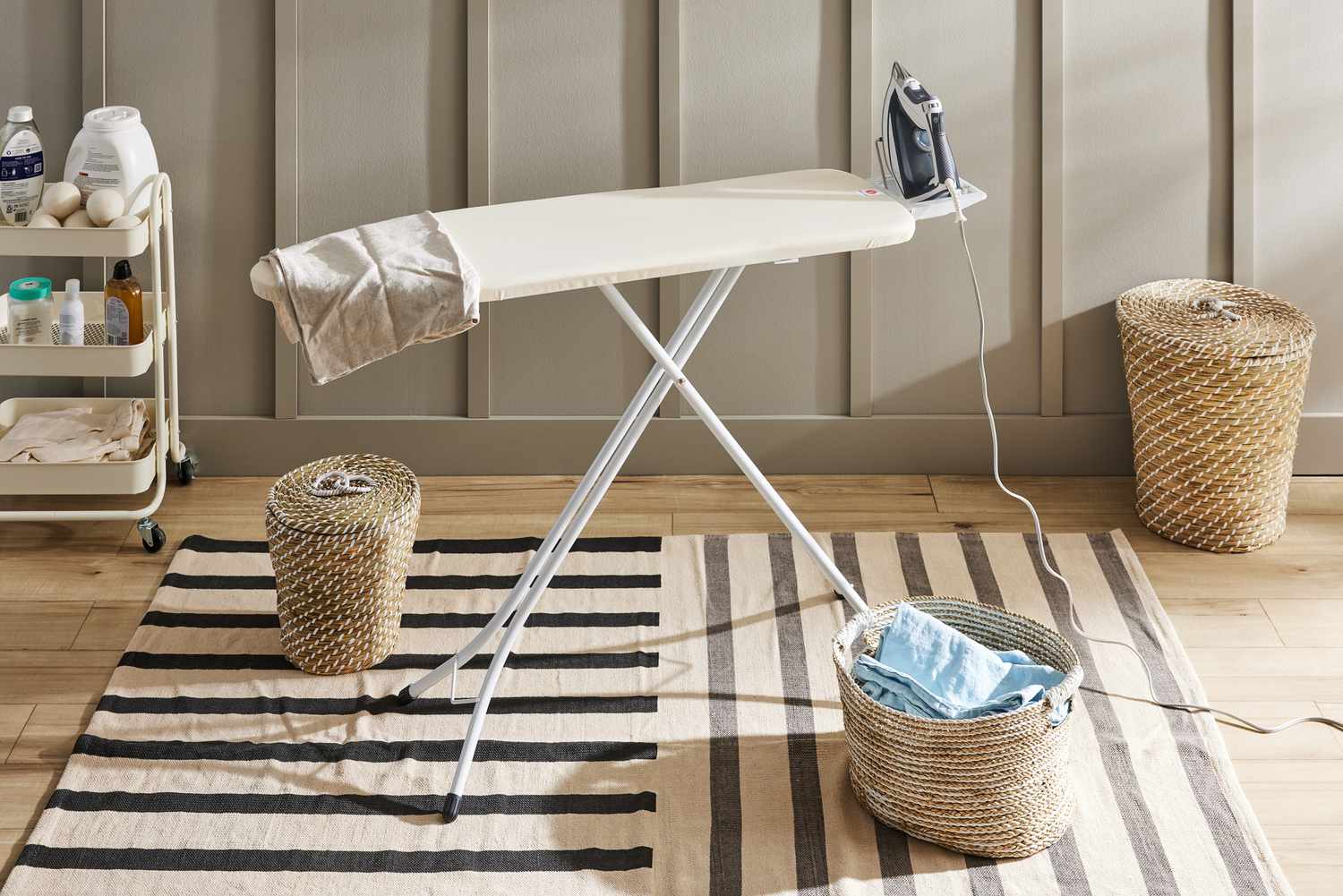
These are the most common ironing boards with folding metal legs. They are portable and height-adjustable but can sometimes be challenging to close due to their folding ironing board mechanism.
Tabletop Ironing Boards

Compact and ideal for small spaces, these boards sit on flat surfaces like tables or countertops. They are easier to store but may not be suitable for larger items like curtains or tablecloths.
Wall-Mounted Ironing Boards

These space-saving boards fold into the wall when not in use. They are convenient and easy to handle but require proper installation. For these, follow specific steps to close a wall-mounted ironing board for safe storage.
How to Close an Ironing Board
Preparing to Close the Ironing Board
Before attempting to close your ironing board, follow these simple steps:
- Remove any items or clothing from the surface of the board.
- Ensure the board is stable and not in use to avoid accidents during folding.
Identifying the Mechanism
To close your ironing board successfully, locate its locking mechanism:
- For most free-standing boards, look for a lever underneath the surface.
- If there’s no lever, inspect for alternative mechanisms like sliding locks or buttons.
How to Close an Ironing Board with a Lever

If your ironing board has a lever mechanism, follow these steps:
- Turn the board on its side for better access.
- Push or pull the lever located underneath the board while holding it steady.
- Gently fold the legs toward the base until they are fully closed and locked into place.
- Release the lever once the legs are secured.
This method works well for most free-standing boards and ensures safe handling without pinching your fingers.
How to Close an Ironing Board Without a Lever
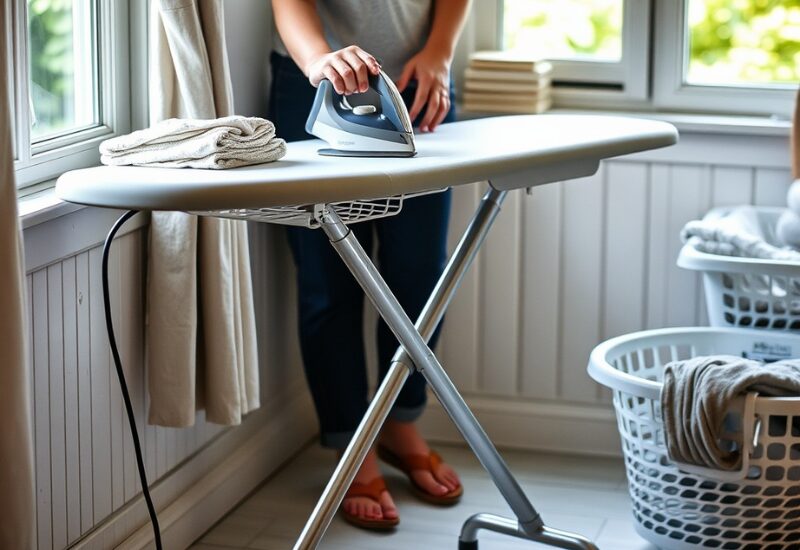
For boards without levers, closing them might require extra care:
- Turn the ironing board upside down and inspect its locking mechanism.
- Use a tool like a screwdriver if necessary to release any stuck locks.
- Carefully fold the legs toward the base until they click into place.
If you encounter resistance during this process, avoid forcing it as this could damage the mechanism.
How to Fold a Wall-Mounted Ironing Board
Wall-mounted ironing boards are easier to handle due to their compact design:
- Lift and fold any stabilizing leg or bottom piece up toward the surface of the board.
- Push the board back up against the wall until it locks securely in place.
- If your model includes a locking lever, engage it to prevent accidental unfolding.
These boards are great for maximizing space in smaller homes while offering convenience.
Troubleshooting Common Issues
Sometimes closing an ironing board isn’t as straightforward as it should be due to mechanical problems or wear and tear:
Ironing Board Stuck Open
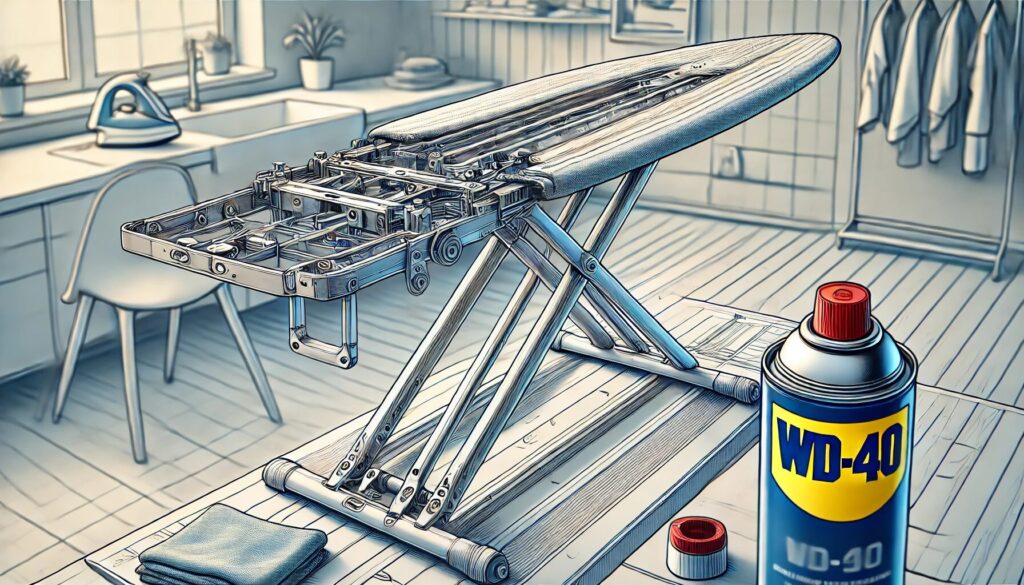
- Check for debris or rust in the hinges or locking mechanism and clean them if necessary.
- Apply light lubrication (e.g., WD-40) if parts are stiff or jammed.
How to Fix an Ironing Board Lever
- Push on the metal tab underneath the board to slide the locking piece forward.
- Identify where the lever attaches and carefully slide it back into place using minimal force.
How to Fix Ironing Board Legs

- Tighten any loose screws or bolts on wobbly legs.
- Replace bent or broken legs with compatible parts from a hardware store.
- By addressing these common problems, you can extend your ironing board’s lifespan and ensure smooth operation every time.
Safety Tips for Folding Ironing Boards
Folding an ironing board can sometimes be hazardous if done improperly. Here are some safety tips:
- Avoid pinching your fingers by keeping your hands clear of hinges and moving parts during folding.
- Move slowly and deliberately—forcing parts can lead to breakage or injury.
- Keep children away from the area while folding or unfolding your ironing board.
Best Practices for Storing an Ironing Board
Proper storage is just as important as knowing how to close an ironing board:
- Store your ironing board in a dry location to prevent rust on metal components.
- Use wall-mounted holders or designated closet spaces for compact storage solutions.
- Ensure that your folded ironing board is secure and won’t tip over unexpectedly.
These storage tips will help maintain your ironing board’s condition over time while keeping your space organized.
Conclusion
Knowing how to close an ironing board is an essential skill that can save you time, prevent frustration, and ensure safety. Whether you’re handling a free-standing board with a lever, a wall-mounted board, or one without a lever, following the proper steps makes the process simple and efficient.
By identifying the locking mechanism, addressing common issues like stuck levers or wobbly legs, and practicing safe folding techniques, you can maintain your ironing board’s functionality for years to come. Don’t forget to store your board in a dry, secure location to keep it in top condition.
Apart from that if you want to know about “How to Frost Glass? Highlighting Its Methods, Benefits, Types, And Much More” then please visit our “Home Appliances” Category.
FAQs
Secure the cover tightly around the board using a drawstring and quick-tensioner. Typically, covers feature a cotton top layer with a foam or felt backing for optimal ironing results.
To close an ironing board, locate and engage the release lever or button beneath it, then carefully collapse the legs until the board is flat.
The holes help release steam, reducing moisture accumulation and enabling more effective and efficient ironing.
Improper handling can lead to pinched fingers, falling boards, or damage to nearby objects.
Locking mechanisms keep the board stable during use and allow it to fold safely when not in use.