

Introduction
Polymeric sand is a mixture of fine sand combined with polymer additives. The best polymeric sand options, include Techniseal HP NextGel, Gator Maxx G2, ROMEX, EZSand, BEEST Rapid Joint Bond, and Pavermate Z3. These are used for different paving applications, including flagstone, brick pavers, and wide joints.
The key installation tips are proper surface preparation and application steps such as evenly spreading the polymeric sand, sweeping it into the joints, removing excess sand, and lightly spraying water to activate the sand. These tips help to avoid common mistakes like over-watering.
The benefits of polymeric sand are durability, weather resistance, and weed prevention. Factors to consider when choosing the right polymeric sand include joint size, color preferences, brand reputation, and cost-performance balance.
With insights into color options and ease of use, this guide will help you select the ideal polymeric sand for your 2024 paving project.
| Feature | Details |
| Composition | Blend of fine sand and polymer additives |
| Top Brands | Techniseal HP NextGel, Gator Maxx G2, ROMEX, EZSand, BEEST Rapid Joint Bond, Pavermate Z3. |
| Installation Tips | Ensure the area is dry and clean; spread evenly, sweep into joints, remove excess, and lightly water. |
| Common Mistakes to Avoid | Avoid overwatering; clean excess sand before activation to prevent hazing. |
| Benefits | Enhances durability and stability; provides weather resistance; prevents weed and insect growth. |
| Aesthetic Options | Available in colors like beige, black, and grey, match or contrast with paver colors for design flexibility. |
| Applications | Suitable for flagstone, wide joints, brick pavers, patios, tight joints, and concrete pavers. |
| Comparison with Regular Sand | Outperforms regular sand by locking pavers securely and preventing shifting or weed growth. |
| Choosing the Right Sand | Consider the joint size, color preferences, brand reputation, and cost-performance balance. |
| Cost | Ranges from $20 to $90 per 50-pound bag depending on brand and features like UV resistance. |
| Where to Buy | Available at hardware stores (Home Depot, Lowe’s) and online (Amazon) |
What is Best Polymeric Sand Made Of?
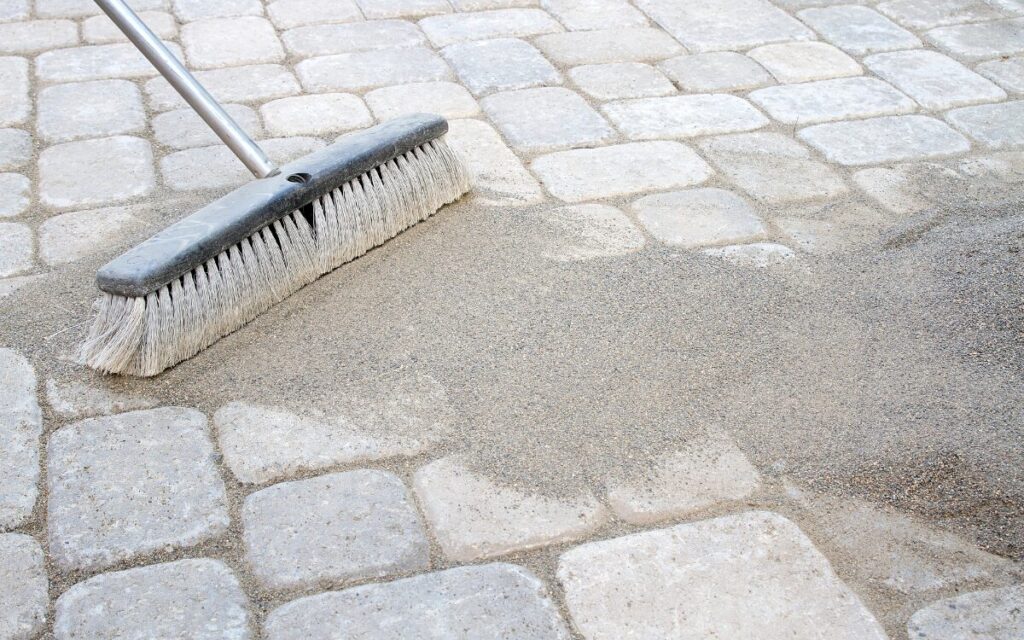
Polymeric sand is a specialized mix of fine sand and polymer additives. When activated with water, these polymers bind the particles together, creating a solid, durable surface.
Unlike regular sand, which can shift or wash away, polymeric sand for pavers hardens to lock pavers securely in place. This prevents issues such as weed growth and insect infestations.
Why Choosing the Right Polymeric Sand Matters for Your Paver Joints
Selecting the best polymeric sand for your paving project is crucial because it not only fills the spaces between pavers but also enhances the overall durability and stability of the paved surface. Unlike regular joint sand, polymeric sand contains additives that bind the grains together when activated by water, forming a firm yet flexible joint that resists erosion from rain, wind, and foot traffic. This helps prevent common issues like weed growth, ant infestations, and joint washout, keeping your patio, driveway, or walkway looking clean and well-maintained for years. The right polymeric sand also contributes to a smoother finish and improved structural performance, making it a smart investment for anyone aiming for long-lasting, professional results in hardscape installation.
Polymeric Sand Installation Tips
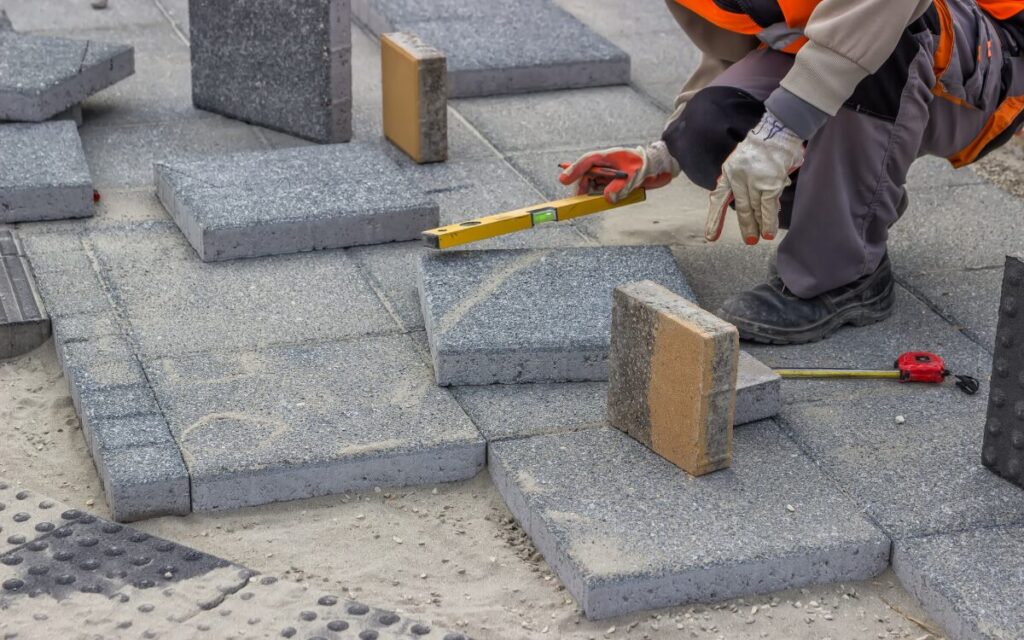
Preparation
- Start by ensuring the area is dry and free of debris. Cleaning joints thoroughly helps achieve a strong bond during installation.
- Use a leaf blower or broom to remove dust and particles.
Application Steps
- Spread the polymeric sand evenly across the paver surface using a broom or rake.
- Sweep it into the joints until all gaps are filled.
- Remove excess sand from the surface to avoid hazing during activation.
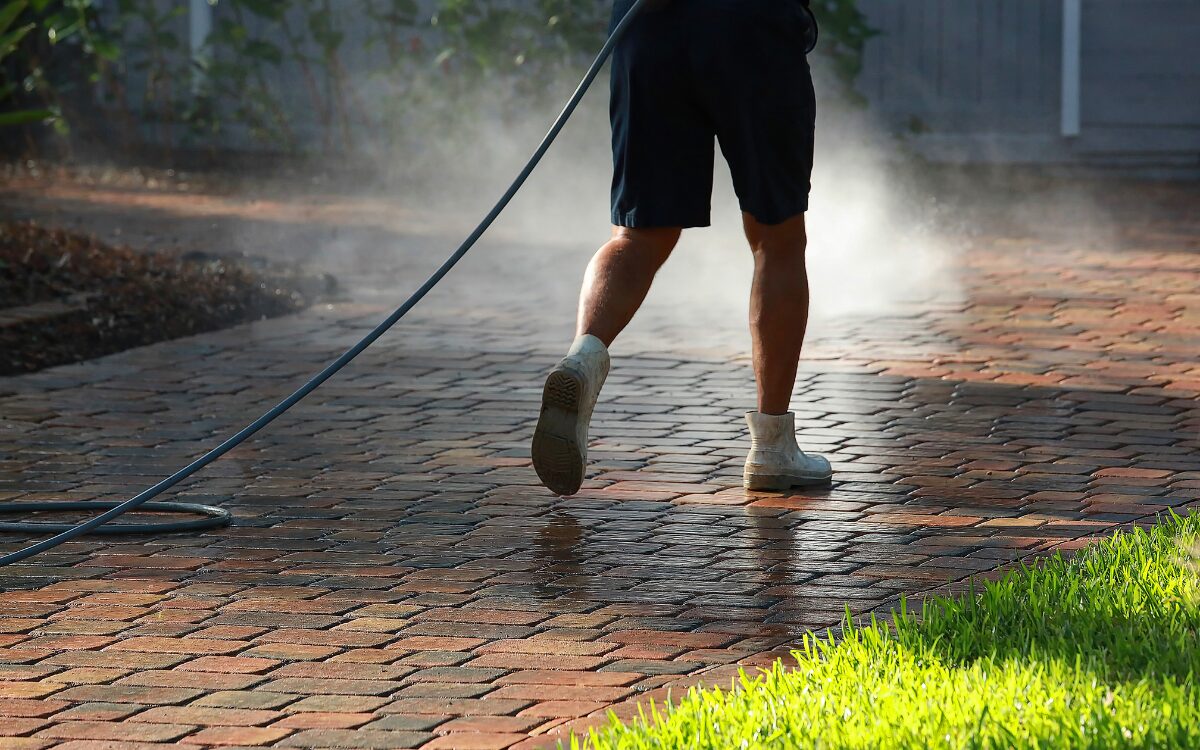
- Lightly spray water over the area to activate the polymers, ensuring the sand hardens and forms a solid bond.
Common Mistakes to Avoid
- Avoid overwatering during activation, as it can weaken the bonding agents and cause erosion.
- Ensure excess sand is cleaned off before watering to prevent surface stains or hazing.
Benefits of Using Polymeric Sand
1. Durability and Stability
The best polymeric sand enhances the longevity of hardscapes by firmly locking pavers. It prevents shifting, erosion, and displacement caused by weather or heavy traffic, ensuring a secure installation.
2. Weather Resistance
With its water-resistant properties, polymeric sand advantages include withstanding heavy rains, freezing temperatures, and scorching heat. This ensures your outdoor spaces remain intact.
3. Weed and Insect Prevention
By tightly sealing joints, polymeric sand eliminates spaces where weeds can grow, or insects can nest. This feature keeps your outdoor areas clean and attractive.
Aesthetic Advantages

What Polymeric Sand Colors Are Available?
Polymeric sand is available in a variety of colors, including beige, black, grey, and more. This selection allows you to customize your project to match your design preferences.
How to Choose the Right Polymeric Sand Color for Your Pavers?
When selecting a polymeric sand color, consider the specific tone of your pavers. Grey pavers pair well with black, white, or tan sand, while beige pavers look cohesive with tan or grey shades.
For a bold effect, black pavers can be matched with black or grey sand, and red pavers benefit from black or brown hues. Testing colors digitally or through physical samples ensures the chosen combination aligns with your vision.
Applications of Best Polymeric Sand
Best Polymeric Sand for Flagstone
Flagstone installations often have irregular shapes and wider joints. Top options include Supersand Bond G2, Dominator Polymeric Sand and Alliance Gator Maxx G2.
Alternatives like resin sand, small stones, or gravel are also effective.
Best Polymeric Sand for Wide Joints
Wide joints demand specialized polymeric sand that ensures proper support and prevents long-term shifting. X-Treme™ is a good option.
Best Polymeric Sand for Brick Pavers
Brick pavers benefit greatly from polymeric sand, which locks them securely in place. Popular choices include HP Nextgel, ROMEX, EZSAND.
Best Polymeric Sand for Paver Patio
For patios, choosing polymeric sand enhances both durability and appearance. Top choices are Rhino Bond Pro+, Max Gator G2 Smart Joint Sand , BEEST Rapid 40LB Poly Sand, Pavermate Z3 by SRW, and Gator G2 Ultra Sand.
Best Polymeric Sand for Tight Joints
Tight joints require a polymeric sand that offers solid filling and prevents movement. Choices are HP Nextgel, FUGENSAND, Nexus ProJoint PolySweep, EV Evolution Polymeric Sand, Gator Maxx G2, and BEEST 40-pound Rapid Joint Bond Polymeric Sand.
Best Polymeric Sand for Concrete Pavers
Concrete pavers need polymeric sand tailored to their specific requirements. Gator Maxx Sand is the preferred and only recommended option for concrete pavers.
Polymeric Sand vs. Regular Sand
Polymeric sand outperforms regular sand in every aspect. While regular sand may shift, wash away, or allow weeds to grow, polymeric sand hardens to lock pavers securely in place.
Its superior durability, resistance to harsh weather conditions, and versatile aesthetic options make it the top choice for modern paving projects.
Choosing the Best Polymeric Sand
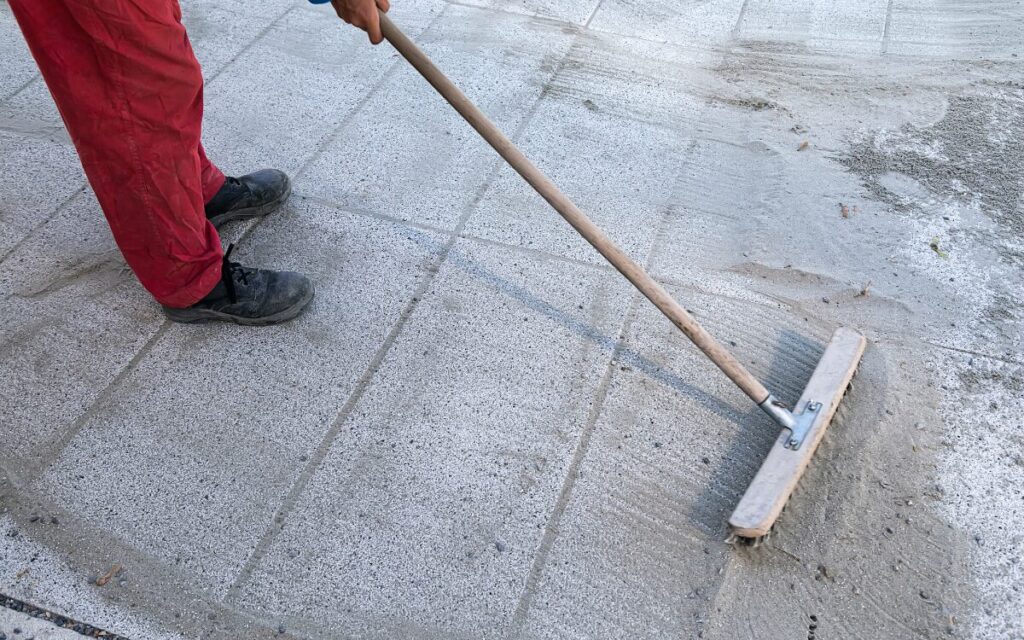
Selecting the best polymeric sand for paver patio or other projects depends on factors such as joint size, color preferences, and specific project requirements.
Factors to Consider
- Color Options: Match the sand color to your pavers for a cohesive look, or opt for contrasting shades to highlight patterns.
- Joint Size: Wide or tight joints require specific products designed for optimal performance.
- Brand Reputation: Research top brands and read customer reviews to ensure quality and reliability.
- Price vs. Performance: While premium options may cost more, they often provide better longevity and aesthetics.
Best Polymeric Sand Brands
1. Techniseal
Known for its high-quality materials and innovative features, Techniseal is a top choice for professionals.
2. Gator Supersand
Ideal for a variety of applications, Gator Supersand offers enhanced durability and color options.
3. Alliance Eurostone
This brand offers flexible solutions, meeting the needs of both DIYers and industry professionals.
How Much Does Polymeric Sand Cost?
The cost of polymeric sand varies between $20 and $90 per 50-pound bag. Factors affecting price include brand reputation, material quality, and additional features like UV resistance.
Where to Buy Polymeric Sand?
Polymeric sand is available at major hardware stores like Home Depot and Lowe’s, as well as online retailers such as Amazon.
Local landscaping supply stores may also carry specialized options, making it easy to find the right product for your project.
Why Use Polymeric Sand?
Whether you’re installing pavers on a patio, driveway, or walkway, following polymeric sand installation guidelines guarantees a smooth and long-lasting finish. Its ability to lock pavers, prevent weeds, and withstand harsh conditions makes it a superior choice compared to traditional sand.
Conclusion
Best polymeric sand offers unmatched advantages from enhancing durability to providing aesthetic flexibility. By selecting the best polymeric sand 2024 and following proper installation tips, you can achieve long-lasting results that elevate the look and performance of your hardscapes.
Whether you’re tackling tight joints, wide gaps, or intricate patterns, polymeric sand delivers the durability and beauty your project deserves.
Apart from that if you want to know about “Exterior Brick Paint: Highlighting How to Paint, Its Types, Color Ideas, Cost, Maintenance, Common Mistakes to Avoid” then please visit our “Exterior” Category.
FAQs
Techniseal HP NextGel Polymeric Sand stands out as an excellent choice, offering a 20-year warranty and superior performance, especially in high-moisture areas.
Polymeric sand typically lasts about 10 years, but premium varieties can endure for up to 15 years, depending on maintenance and environmental conditions.
If you prefer alternatives, consider using stone dust, concrete dust, aggregate sand, builder’s sand, or plain dust as fillers for brick paver joints.
Polymeric sand is used to fill joints between pavers to create a firm, stable surface that helps prevent movement, weeds, and erosion.
Unlike regular sand, polymeric sand contains binding agents that harden when activated with water, providing stronger joint stability.