

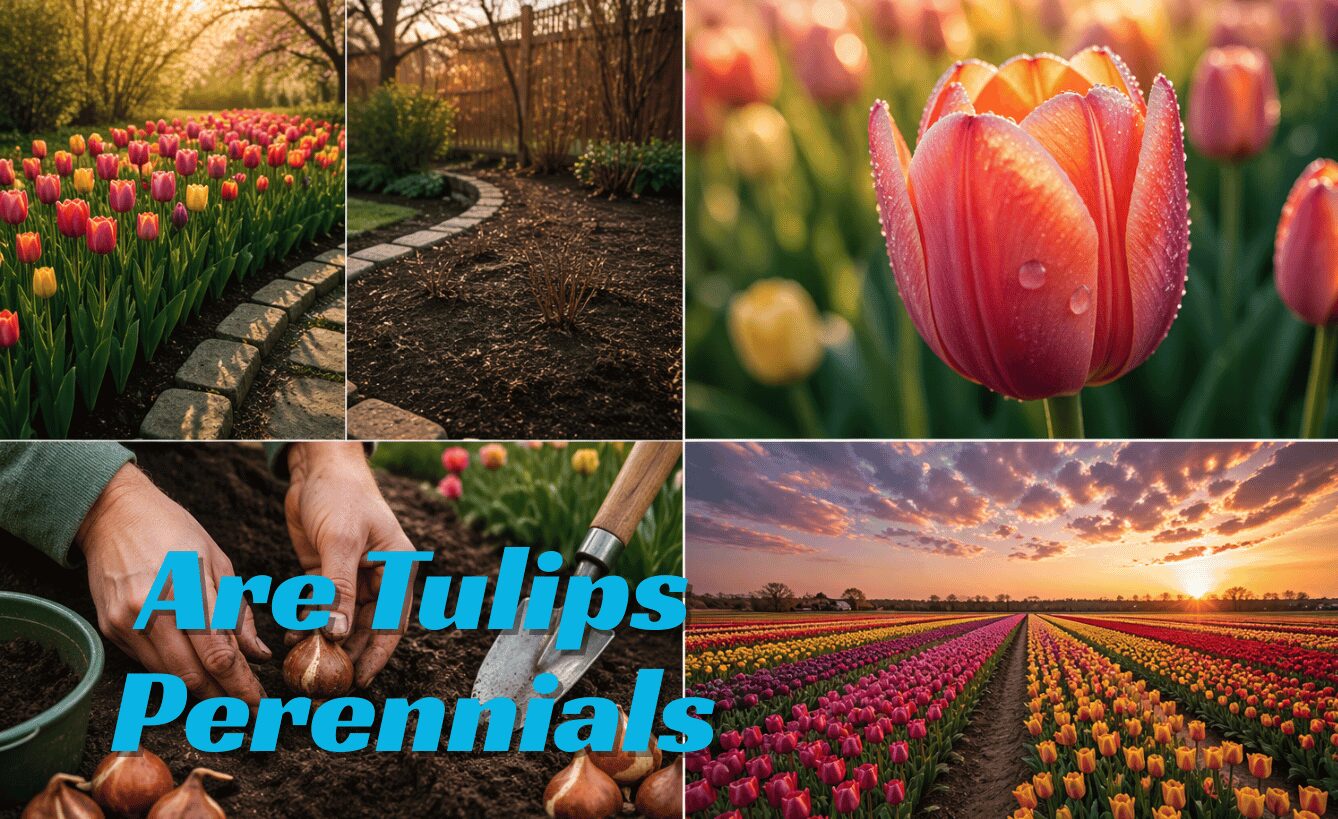
This is one of the most common questions gardeners ask when planning a colorful spring garden: Are tulips perennials? Tulips are admired worldwide for their vibrant colors, elegant cup-shaped blooms, and ability to transform landscapes into stunning seasonal displays. However, despite their beauty, many people are surprised to learn that tulips are classified as perennial bulbs but do not always behave like reliable perennials in every garden.
Their ability to return year after year depends on several important factors, including climate conditions, soil quality, bulb health, and proper care practices. In this article, we explore the truth behind our tulip perennials, how they grow, and why their long-term performance can vary so much from garden to garden.
| Section | Key Idea |
| Are Tulips Perennials? | Tulips are biologically perennials, but often behave like annuals depending on conditions |
| Nature vs Practice | They are perennial bulbs, but may not rebloom reliably in real gardens |
| Growth Stages | Dormant bulb → root growth → cold period → sprouting → flowering → energy storage |
| Flowering & Reblooming | Reblooming varies by variety; Darwin Hybrids perform best |
| Climate Impact | Cold winters help; warm or wet climates reduce survival and blooming |
| Soil & Care | Well-drained soil, proper depth, balanced watering, and light fertilization are essential |
| Reblooming Problems | Fancy hybrids, Parrot, Fringed, and Double late tulips |
| Long-Term Performance | Some varieties return well, others decline after first bloom |
| Best Returners | Darwin Hybrids, Species tulips, Fosteriana tulips |
| Short-Lived Types | Fancy hybrids, Parrot, Fringed, Double late tulips |
| Key Success Factors | Genetics, climate, soil drainage, care, and pest control |
| How to Improve Return | Deadheading, leaf care, replanting, composting, and proper site selection |
| Conclusion | Tulips can behave as perennials, but often act like annuals depending on conditions |
Are Tulips Perennials?

Are tulips perennials? Yes, tulips are biologically classified as perennial bulbs, meaning they are naturally capable of growing, flowering, and returning each year. However, in practical gardening, they do not always behave like reliable perennials because their ability to rebloom depends heavily on climate conditions, soil quality, and aftercare.
In ideal environments with cold winters, well-drained soil, and proper maintenance, tulips can return for several seasons. But in many gardens, especially where conditions are not optimal, their flowering strength declines after the first year, which is why they are often treated as annuals and replanted regularly for consistent spring color.
Understanding Tulips: Perennial by Nature, Not Always in Practice
- Tulips belong to the genus Tulipa and are classified as perennial bulbs
- In theory, they are designed to grow, bloom, and return every year
- In real-world gardening, many tulips fail to rebloom consistently
- Because of this, gardeners often treat them as seasonal or annual plants
- Many gardeners replant bulbs each fall to ensure reliable spring flowers
Why tulips don’t always behave like perennials
- Hybrid breeding reduces long-term vigor and reblooming strength
- Climate conditions may not provide the required cold period or environment
- Energy depletion after the first bloom weakens the bulb for future seasons
- Improper soil drainage or lack of nutrients affects bulb health
- Pests and diseases attacking underground bulbs reduce survival and flowering ability
Growth Stages of Tulips
Understanding the tulip life cycle helps explain why reblooming can be unpredictable.
Dormant Bulb Stage
- Bulbs remain inactive underground
- Energy is stored for the next growing cycle
- Requires dry conditions to prevent rot
Root Development Stage (Fall)
- Roots begin forming when soil temperatures drop
- Essential for anchoring and nutrient absorption
- Strong root systems improve spring blooming
Cold Period (Winter Chilling)
- Tulips need cold temperatures (vernalization)
- This stage triggers flower development
- Without enough cold, flowering may fail
Sprouting Stage (Early Spring)
- Shoots emerge above ground
- Leaves begin collecting sunlight for energy
- Growth is rapid during this phase
Flowering Stage (Mid-Spring)
- Buds develop and open into blooms
- Flowering lasts 1–3 weeks, depending on variety
- Energy reserves are heavily used here
Post-Bloom & Energy Storage (Late Spring)
- Leaves continue photosynthesis
- Bulb recharges for next season
- Cutting leaves too early weakens future blooms
Flowering Cycles and Reblooming Behavior

Are tulips perennials? Tulip reblooming varies by variety and growing conditions. Some types, like Single Early Tulips, may return for a few years, while Darwin Hybrid Tulips are the most reliable perennial-like bloomers.
However, reblooming often fails because of low energy stored in the bulb after flowering, warm climates that do not provide enough winter chill, overcrowded bulbs that limit growth, poor soil drainage that causes rot, and failure to remove spent flowers, which leads to energy being wasted on seed production instead of bulb recovery.
Climate Impact on Tulip Longevity
Climate is one of the most important factors affecting whether tulips behave as perennials.
Ideal growing conditions
- Cold winters (necessary for dormancy)
- Dry summers (prevents bulb rot)
- Well-drained soil
- Moderate spring temperatures
Climate challenges
- Warm climates: Bulbs fail to receive the required chilling period
- Humid regions: Higher risk of fungal diseases
- Heavy rainfall areas: Bulb rot becomes common
- Mild winters: Weak or no flowering the next year
Best-performing regions
- Northern Europe
- Northern United States
- High-altitude gardens
- Temperate climates with distinct seasons
Soil and Care Requirements

Proper care plays a crucial role in whether tulips return each year or not, which is why many gardeners ask, are tulips perennials in different growing conditions. Soil quality, planting technique, watering habits, and fertilization all directly affect their long-term health and blooming performance.
Soil Requirements
Tulips grow best in soil that drains well and prevents water from collecting around the bulbs. Poor drainage is one of the most common reasons tulips fail to return. They prefer well-draining sandy or loamy soil, and they thrive slightly acidic to neutral pH levels (6.0–7.0).
Planting Depth and Spacing
Correct planting ensures strong root development and stable growth through seasonal changes. Bulbs should be planted 6–8 inches deep to protect them from temperature fluctuations and surface disturbances. A spacing of 4–6 inches between each bulb allows proper airflow and room for growth.
Watering Needs
Watering must be carefully balanced because tulips are sensitive to both excess moisture and drought. During the active growth phase, moderate watering is required to support healthy development. However, overwatering should be avoided during dormancy, as it can lead to bulb rot.
Fertilization
Proper fertilization helps tulips produce strong blooms and store enough energy for future seasons. A low-nitrogen fertilizer should be applied at the time of planting to support root establishment. In early spring, light feeding can encourage healthy growth and flowering.
Reblooming Challenges Explained
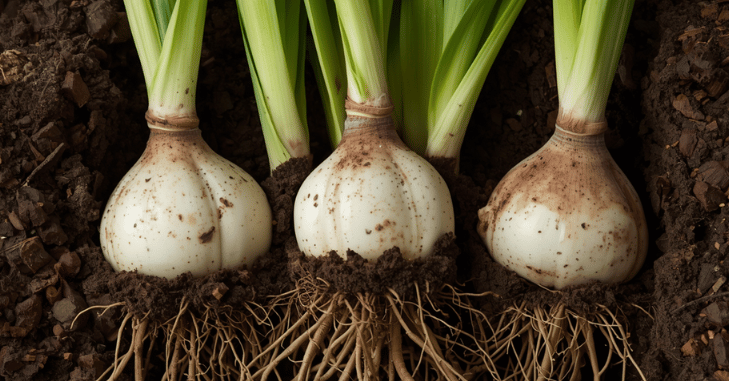
Even when tulips survive year after year, their flowering performance often declines.
Common reblooming problems
- Smaller flowers each year
- Fewer blooms per plant
- Delayed or weak sprouting
- Complete failure to flower
Main causes
- Energy exhaustion after the first bloom
- Failure to properly recharge bulbs
- Cutting leaves too early
- Unsuitable soil conditions
- Bulb overcrowding
How gardeners try to improve reblooming
- Deadhead flowers after blooming
- Allow leaves to die back naturally
- Lift and replant bulbs in summer
- Add compost after flowering
- Rotate planting areas every few years
Long-Term Garden Performance

While tulips can technically survive for many years, their ability to perform well over the long term depends heavily on the variety and growing conditions. Some types reliably return and naturalize, while others decline after their first season and require replanting.
Perennial-like tulips (better returners)
- Darwin Hybrids are among the most reliable tulips for returning year after year with strong blooms
- Species tulips, such as Tulipa tarda and Tulipa clusiana, naturalize well and often multiply over time
- Fosteriana tulips are hardy varieties known for their durability and consistent reblooming ability
Short-lived tulips
- Fancy hybrid tulips are bred for appearance but often lose strength after the first bloom
- Fringed tulips: tend to be visually striking but less reliable for long-term return
- Double late varieties: produce full, peony-like flowers but usually decline quickly
- Parrot tulips are highly decorative but generally short-lived in garden conditions
Factors affecting long-term success
- Strong genetic traits of the variety determine how well tulips can persist over time
- Climate suitability: plays a major role in whether bulbs receive proper seasonal conditions
- Good soil drainage quality: prevents rot and supports healthy bulb survival
- Consistent care practices, such as proper watering and fertilization, improve longevity
- Effective pest protection, especially against rodents and fungal diseases, helps preserve bulbs underground
How to Encourage Tulips to Return Every Year

If you want tulips to behave more like true perennials, proper care is essential.
Best practices
- Choose perennial-friendly varieties
- Plant in full sun locations
- Ensure excellent drainage
- Avoid cutting foliage too early
- Feed bulbs after flowering
- Store lifted bulbs in dry, cool conditions if needed
Advanced gardener tips
- Combine tulips with perennial ground covers
- Plant in raised beds for drainage control
- Naturalize species tulips in lawns or meadows
- Avoid replanting in the same spot yearly
Conclusion
So, are tulips perennials? The answer is yes in biological terms, but in real gardening practice, they often behave like short-lived perennials or even annuals, depending on growing conditions. In regions with cold winters and dry summers, tulips are more likely to come back for several seasons. However, in warmer or humid climates, they often lose strength after the first bloom due to insufficient chilling and energy depletion.
Their ability to return year after year is not guaranteed and is strongly influenced by climate suitability, soil quality, drainage, correct planting depth, and proper post-bloom care. When these factors are managed well, tulips can rebloom and perform as true garden perennials. However, without the right conditions, their flowering strength declines over time, leading many gardeners to replant them each season for consistent results.
Want to know about When to Fertilize Blueberries for Beginners? Easy Guide to Timing, Fertilizers, and Common Mistakes Check out our Gardening category.
FAQs
Yes, but not every tulip perennializes in the same way. Many hybrid tulips only have intense bloom during their first year.
In summary, tulips are perennial plants that come back after a dry summer dormancy and a cold winter
Tulips and daffodils are examples of hardy bulbs that can be left in the ground to bloom year after year.
Depending on the kind, tulips bloom from early to late spring and last one to three weeks in the garden. In a vase, cut stems last for five to seven days.