


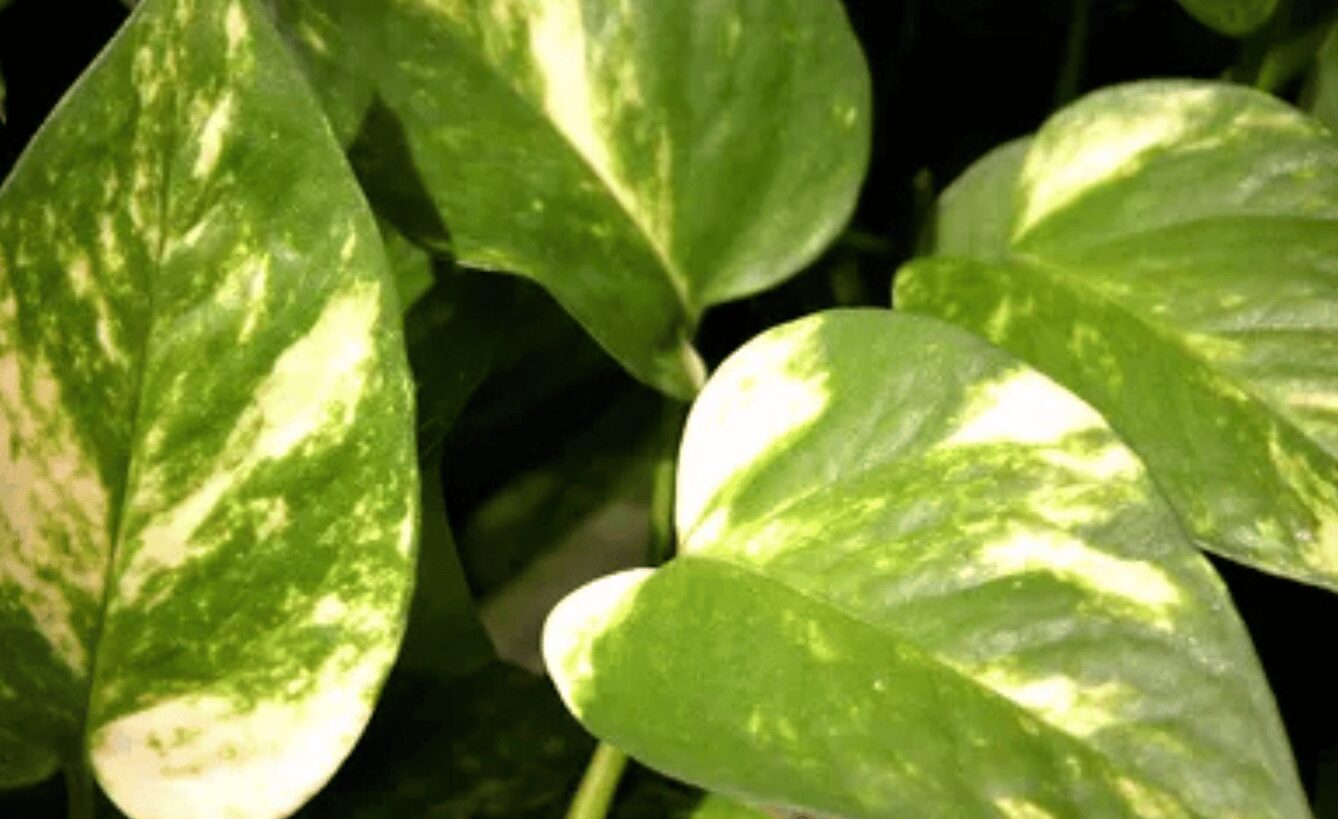
Money tree leaves turning yellow is often a clear indication that the plant is struggling with its environment or care routine rather than an irreversible problem. The Money Tree, known scientifically as Pachira aquatica, is a resilient houseplant, but it reacts quickly to imbalances in water, light, or nutrients.
Yellowing leaves are most linked to improper watering, either excessive moisture that suffocates the roots or insufficient water that prevents proper hydration and nutrient flow. However, other factors such as inadequate lighting, poor soil drainage, lack of essential nutrients, or sudden temperature changes can also disrupt the plant’s health and lead to discoloration.
In some cases, pest infestations may further weaken the plant, causing patches of yellowing and leaf damage. By carefully observing these symptoms and making timely adjustments, you can restore your Money Tree’s vitality and maintain its lush, vibrant appearance.
| Aspect | Key Details |
| Plant | Pachira aquatica |
| Issue | Leaves turning yellow due to stress or care issues |
| Main Cause | Overwatering or underwatering |
| Other Causes | Poor drainage, low light, nutrients, and temperature stress |
| Overwatering | Yellow, mushy leaves; soggy soil; root rot risk |
| Underwatering | Dry, crispy leaves; yellow/brown edges; dry soil |
| Light Problem | Low light causes pale or yellow leaves |
| Soil Issue | Poor drainage traps water and harms roots |
| Nutrient Issue | Lack of nutrients leads to weak, yellow leaves |
| Temperature | Sudden changes or drafts stress the plant |
| Pests | Insects cause spots, damage, and yellowing |
| Solution | Adjust watering, improve light, and use proper soil |
| Prevention | Regular care, repotting, and monitoring |
| Warning Sign | Widespread yellowing indicates serious stress |
| Outcome | Proper care restores healthy green leaves |
Money Tree Leaves Turning Yellow
Money tree leaves turning yellow is a common issue that often signals stress in the plant rather than a serious, permanent problem. The Money Tree, scientifically known as Pachira aquatica, is generally easy to care for, but it requires the right balance of water, light, and nutrients to stay healthy.
When its leaves begin to turn yellow, it is usually due to improper watering—either too much or too little, leading to root stress and poor nutrient absorption. Overwatering can cause soggy soil and root rot, while underwatering results in dry, brittle leaves and a lack of hydration.
In addition to watering issues, factors such as insufficient light, poor drainage, nutrient deficiencies, temperature fluctuations, or pest infestations can also contribute to this problem. Understanding these causes and adjusting care accordingly can help restore the plant’s vibrant green foliage and ensure its long-term growth.
Common Causes of Yellow Leaves

1. Overwatering
Overwatering is the most frequent reason for yellow leaves. Money Trees prefer slightly moist soil, not soggy conditions. When roots sit in excess water, they can suffocate and begin to rot, preventing proper nutrient absorption.
2. Signs of overwatering:
Yellowing leaves that feel soft or mushy, drooping stems, soggy or constantly wet soil, and a musty smell coming from the soil are all clear signs of overwatering, which can harm the roots and overall health of the plant.
3. Underwatering
On the opposite end, underwatering can also cause yellowing. When the plant lacks sufficient water, it cannot transport nutrients effectively, leading to stressed and weakened growth. The leaves may become dry and crispy and start turning yellow or brown at the edges.
Signs of underwatering

| Cause | Signs / Description |
| Underwatering | Dry, crispy, or curling leaves; yellowing turning to browning edges; dry, compacted soil pulling away from the pot |
| Poor Drainage | Excess moisture trapped in soil is a risk of root rot, caused by pots without drainage holes or compact soil |
| Insufficient Light | Pale or yellow leaves due to low chlorophyll; plant placed in dim areas; prefers bright, indirect sunlight |
| Nutrient Deficiency | Yellowing leaves due to lack of nutrients (especially nitrogen); soil loses nutrients over time |
| Temperature Stress | Stress from cold drafts or heat; prefers stable temperature between 18°C and 27°C (65°F to 80°F) |
| Pests and Diseases | Small insects, webbing, sticky residue, or patchy yellow spots weaken plant health |
How to Fix Yellow Leaves?

Adjust Watering Routine
- Water only when the top 1–2 inches of soil feel dry
- Ensure excess water drains properly
- Avoid letting the plant sit in standing water
Improve Soil and Drainage
- Use a well-draining potting mix
- Ensure the pot has proper drainage holes
- Repot if the soil has become compacted
Provide Proper Lighting
- Place near a window with filtered light
- Rotate the plant occasionally for even growth
Feed the Plant
- Use a balanced liquid fertilizer during the growing season (spring and summer)
- Avoid over-fertilizing, which can harm roots
Maintain Stable Conditions
- Keep the plant away from air conditioners, heaters, and cold drafts
- Maintain moderate humidity levels
Check for Pests
- Inspect leaves regularly
- Use natural remedies like neem oil or insecticidal soap if needed
Preventing Future Yellow Leaves
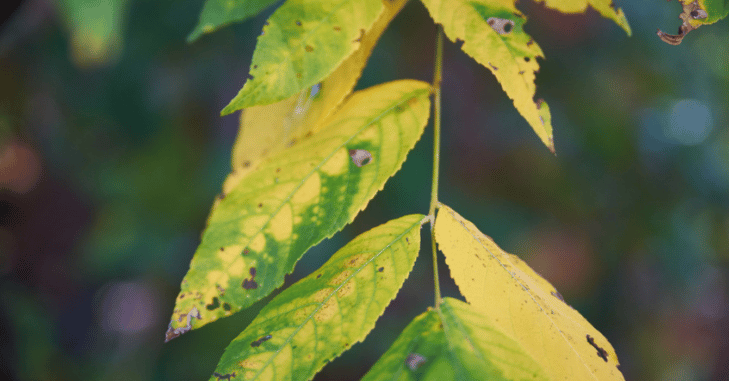
Prevention is always better than a cure. Here are some long-term care tips:
- Stick to a consistent watering schedule
- Ensure proper light exposure
- Repot every 1–2 years to refresh the soil
- Wipe leaves occasionally to remove dust
- Monitor the plant for early signs of stress
When to Be Concerned?

A few yellow leaves are normal, especially older ones, as plants naturally shed aging foliage to make room for new growth. However, if you begin to notice widespread yellowing, rapid decline, or multiple leaves turning yellow at once, it may signal a more serious underlying issue such as root rot, overwatering, underwatering, nutrient deficiencies, or severe environmental stress like sudden temperature changes or insufficient light.
In some cases, pests or diseases may also be contributing to the problem, further weakening the plant’s overall health. If these symptoms are ignored, the condition of the plant can quickly worsen, potentially leading to significant damage or even plant loss.
Conclusion
Money Tree leaves turning yellow is usually a warning sign that the plant’s care routine or environment needs attention, rather than a permanent issue. The Money Tree, or Pachira aquatica, responds quickly to imbalances in watering, lighting, nutrients, and temperature, making early detection essential for maintaining its health.
By carefully identifying the root cause, whether it’s overwatering, underwatering, poor drainage, low light, or pest activity, you can take corrective steps to restore its vitality. With consistent care, proper watering habits, adequate light exposure, and regular monitoring, your Money Tree can recover and continue to grow into a lush one.
Want to know about When to Fertilize Blueberries for Beginners? Easy Guide to Timing, Fertilizers, and Common Mistakes Check out our
Gardening category.
FAQs
Yellow leaves are usually caused by overwatering, underwatering, poor lighting, or nutrient deficiencies, all of which affect the plant’s overall health.
No, once a leaf turns yellow, it will not regain its green color. However, new healthy leaves can grow if the underlying issue is fixed.
Water only when the top 1–2 inches of soil are dry to the touch, ensuring proper drainage to avoid root rot.
Yes, insufficient light can reduce chlorophyll production, leading to pale or yellow leaves. The plant prefers bright, indirect sunlight.
If many leaves turn yellow quickly or the plant shows signs like wilting, mushy stems, or root damage, it may indicate a serious issue that needs immediate attention.