

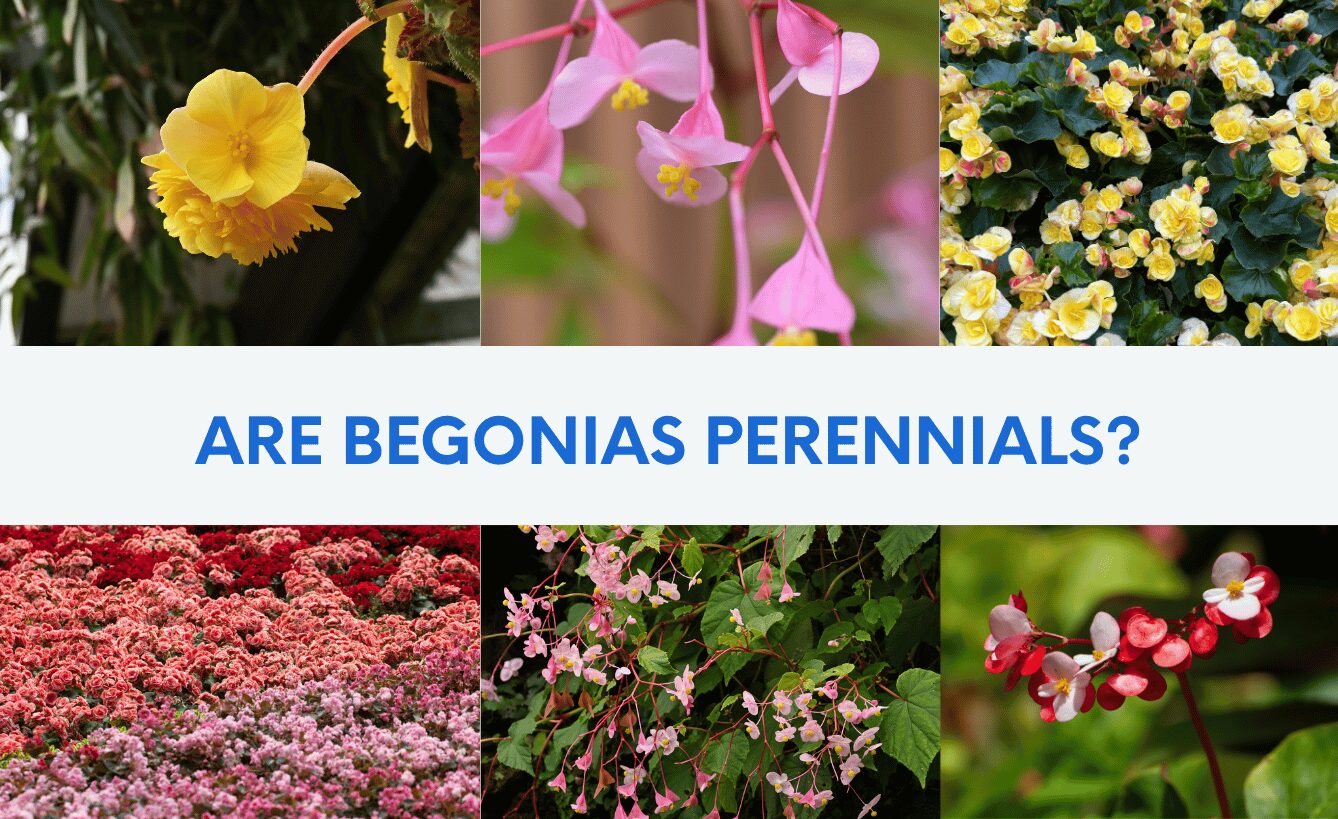
Begonias are among the most popular ornamental plants in the world, admired for their vibrant flowers, attractive foliage, and ability to grow in a variety of indoor and outdoor settings. Gardeners often choose them for borders, hanging baskets, and houseplant collections because they offer long-lasting color and relatively easy care.
However, one of the most frequently asked questions about these beautiful plants is, “Are begonias perennials?” The answer is both simple and complex. Begonias are naturally perennial plants, meaning they can live for more than two years and continue growing season after season.
However, their behavior in gardens varies greatly with climate, especially because they are highly sensitive to frost. In warm and tropical regions, they thrive as true perennials, while in colder areas they are often grown as annuals or brought indoors for protection.
| Topic | Summary |
| Introduction | Begonias are popular ornamental plants grown for their flowers and decorative leaves in gardens and indoors. |
| Main Question | “Are Begonias Perennials?” They are naturally perennials, but climate affects their behavior. |
| Core Answer | Begonias are perennial by nature but are often grown as annuals in cold regions. |
| Plant Family | Belong to the Begoniaceae family with 2000+ species worldwide. |
| Natural Habitat | Native to tropical and subtropical regions, preferring warm, humid climates. |
| Perennial Meaning | Plants that live for more than two years and regrow seasonally. |
| Annual Meaning | Plants that complete their life cycle in one season and die afterward. |
| Climate Impact | Warm climates = perennial growth; cold climates = annual-like behavior. |
| Frost Sensitivity | Begonias cannot survive frost, which limits their lifespan in cold areas. |
| Types of Begonias | Tuberous, fibrous (wax), rhizomatous, and cane begonias. |
| Growth Cycle | Germination → Vegetative growth → Flowering → Dormancy (some types). |
| Dormancy Role | Some begonias rest in winter and regrow in spring (especially tuberous types). |
| Care Needs | Require indirect light, moderate watering, humidity, and well-drained soil. |
| Overwintering | Tubers stored or plants brought indoors to survive winter. |
| Propagation | Easy to grow from stem cuttings, leaf cuttings, or division. |
| Common Problems | Include yellowing leaves, root rot, mildew, and pests. |
| Advantages | Long-lasting blooms, easy care, indoor/outdoor versatility. |
| Disadvantages | Sensitive to cold and requires seasonal protection. |
| Indoor Growth | Thrive indoors with stable temperature and bright indirect light. |
Are Begonias Perennials?
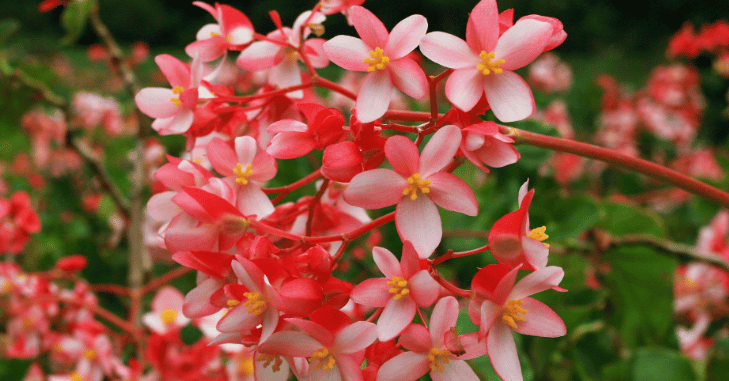
Are begonias perennials? This is a common question among gardeners, and the answer depends largely on climate and care. Begonias are naturally perennial plants, meaning they can live and bloom for several years under the right conditions. In warm, tropical, and frost-free environments, they grow as true perennials, returning each year with continuous or seasonal blooms.
However, in colder regions, begonias are often treated as annuals because they cannot survive frost and tend to die when temperatures drop too low. Despite this, with proper care, such as bringing them indoors during winter or storing their tubers, gardeners can preserve begonias and enjoy them year after year.
So, while begonias are biologically perennials, their actual behavior in a garden depends on how well they are protected from cold weather and maintained throughout the seasons. This makes them highly versatile plants suitable for both indoor and outdoor gardening.
Understanding the Plant: What Are Begonias?
The term begonia refers to a vast genus of flowering plants belonging to the Begoniaceae family. With over 2,000 species and thousands of hybrids, begonias come in a wide variety of shapes, sizes, and colors.
Key Characteristics
- Succulent stems in wide varieties
- Asymmetrical leaves (a signature trait)
- Flowers that range from small and delicate to large and showy
- Ability to grow indoors and outdoors
- They are native to tropical and subtropical regions, which explains their preference for warm, humid environments.
Are Begonias Perennials, Annuals, or Biennials?
| Aspect | Explanation |
| Core Nature | Begonias are naturally perennial plants |
| Common Practice | Often grown as annuals in colder climates |
| Perennials Defined | Plants that live for more than two years |
| Annuals Defined | Plants that complete their life cycle in one growing season |
| Biological Category | Begonias belong to the perennial group |
| Reason for Confusion | Sensitivity to frost affects survival |
| Key Factor | Climate determines whether begonias act as perennials or annuals |
Climate Zones and Their Effect on Begonia Lifespan
The behavior of begonias changes significantly depending on environmental conditions. In warm and tropical climates, begonias grow as true perennials, often blooming continuously or seasonally year after year with little need for winter protection. In moderate climates, they can still survive as perennials but require extra care, especially during colder months when some protection may be necessary.
During cold climates, begonias typically function as annuals because they cannot tolerate frost and die when temperatures drop too low, so gardeners must replant them each spring unless they preserve them indoors. In regions like parts of Pakistan, gardeners can often grow begonias as perennials if they properly protect them from extreme winter chills.
Detailed Classification of Begonias

Understanding the different types of begonias helps clarify their growth habits and lifespan.
1. Tuberous Begonias
- Large, rose-like blooms
- Dormant period in winter
- Thrive in partial shade
Lifecycle
- Perennial in warm climates
- In colder regions, tubers must be stored and replanted
2. Fibrous (Wax) Begonias
These are the most commonly used begonias in garden beds.
- Small, waxy leaves
- Continuous flowering
- Compact growth habit
Lifecycle
- Often grown as annuals
- Can act as short-lived perennials in mild climates
3. Rhizomatous Begonias
Known for their striking foliage rather than flowers.
- Thick rhizomes that grow along the soil surface
- Decorative leaves with unique textures and patterns
Lifecycle
- Long-lived perennials, especially indoors
4. Cane Begonias (Angel Wing Begonias)
These are tall, elegant plants with wing-shaped leaves.
- Upright growth
- Clusters of hanging flowers
- Long lifespan indoors
Lifecycle
- Perennial, particularly as houseplants
Growth Cycle of Begonias
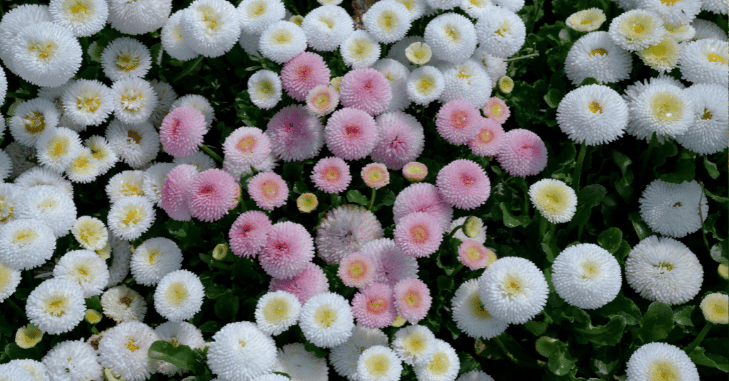
To understand the perennial nature of begonias, it is helpful to examine their growth stages. The cycle begins with germination or sprouting, where seeds or tubers start to grow in warm conditions. This is followed by the vegetative growth stage, during which leaves and stems develop rapidly.
Next comes the flowering stage, when blooms appear and can last for several months, adding vibrant color to the plant. In some types, particularly tuberous begonias, a dormancy period occurs where the plant may appear to die back, but it actually conserves energy to regrow later. This entire cycle repeats each year under suitable perennial conditions.
How to Grow Begonias Successfully as Perennials?
If you want begonias to return year after year, proper care is essential.
Light Requirements
- Prefer bright, indirect sunlight
- Some varieties tolerate shade
- Direct sunlight may burn leaves
Temperature Needs
- Ideal range: 15°C to 27°C
- Sensitive to temperatures below 10°C
- Frost is deadly
Watering Techniques
- Keep soil evenly moist
- Avoid waterlogging
- Water at the base to prevent fungal issues
Soil Composition
- Loose, well-draining soil is essential
- Ideal mix:
- Garden soil
- Organic compost
- Sand or perlite
Humidity Preferences
Begonias love humidity.
- Ideal humidity: 50%–70%
- Use misting or a humidity tray indoors
Fertilizer Use
- Apply balanced liquid fertilizer
- Frequency: Every 2–3 weeks during growing season
Overwintering Begonias: Keeping Them Alive Year-Round
For Tuberous Begonias
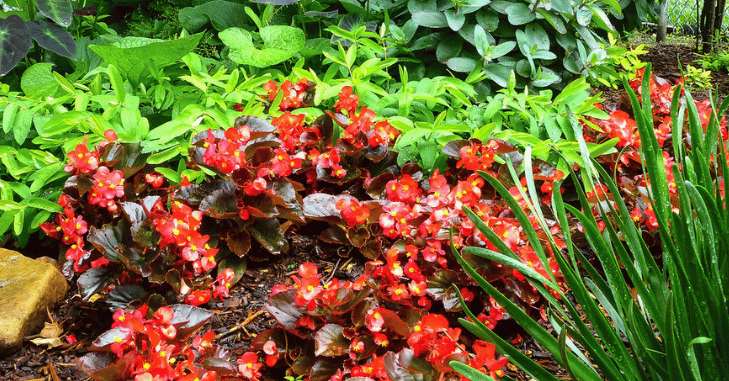
To successfully overwinter tuberous begonias, start by removing them from the soil before the first frost arrives. Gently clean off any excess soil and allow the tubers to dry thoroughly for a few days. Once dried, store them in a cool, dry place where they won’t be exposed to moisture or freezing temperatures.
For Potted Begonias
To protect potted begonias during colder months, bring them indoors before the temperature drops too low. Place the plants in a spot with bright, indirect light to keep them healthy without exposing them to harsh sunlight. Reduce watering during this period, as the plant’s growth slows down in cooler conditions.
Propagation Methods
Begonias are easy to propagate, which greatly enhances their appeal as long-lasting, perennial plants. Gardeners can multiply their begonias using several simple methods, including stem cuttings, leaf cuttings, and division (especially for rhizomatous and tuberous types).
Common Problems and Their Solutions
| Problem | Cause | Solution / Fix |
| Leaf Yellowing | Overwatering | Improve drainage and reduce watering |
| Powdery Mildew | High humidity with poor airflow | Increase ventilation and air circulation |
| Root Rot | Waterlogged soil | Use well-draining soil and proper pots |
| Pests (Aphids, Spider Mites) | Insect infestation | Use neem oil or insecticidal soap |
Advantages of Growing Begonias as Perennials

- Long-lasting beauty
- Cost-effective (no need to replant yearly)
- Easy propagation
- Versatile for indoor and outdoor spaces
- Shade-tolerant flowering plant
Disadvantages to Consider
- Sensitive to frost
- Require careful watering
- Some varieties need overwintering care
Are Begonias Suitable for Indoor Growing?
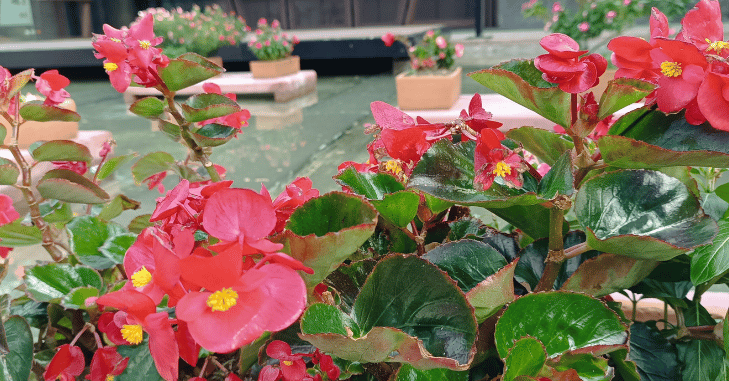
Yes, begonias are excellent indoor plants because they adapt well to controlled home environments where temperature, light, and humidity can be managed more easily. Among the best varieties for indoor growing are rhizomatous begonias and cane begonias, both of which perform exceptionally well inside the home.
Rhizomatous begonias are especially valued for their decorative foliage, while cane begonias add beauty with their tall structure and attractive leaves. These plants thrive indoors when kept in stable conditions with proper humidity and indirect light, making them ideal choices for year-round indoor gardening.
Conclusion
Are begonias perennials? Begonias are truly remarkable plants that combine beauty, versatility, and adaptability, making them a favorite choice for gardeners around the world. As we have seen, they are naturally perennial plants, meaning they can live and thrive for multiple years under suitable conditions.
However, their actual performance in gardens depends heavily on climate, especially their sensitivity to frost. In warm and tropical environments, begonias flourish as long-lasting perennials, returning each season with vibrant blooms and lush foliage.
Want to know about Types of Grass: Expert Insights on Climate Adaptation, Root Strength, Soil Needs, and Lawn Performance Check out our Gardening category.
FAQs
Yes, begonias are naturally perennial plants, but their survival depends on climate conditions and proper care.
They are grown as annuals in cold regions because they cannot survive frost and die when temperatures drop too low.
Yes, but only if they are brought indoors or their tubers are stored properly before frost arrives.
No, different types like tuberous, fibrous, rhizomatous, and cane begonias have different growth habits and lifespans.
Yes, begonias grow very well indoors if they receive bright indirect light, warmth, and proper humidity.
With proper care in suitable conditions, begonias can live and thrive for many years as true perennials.