


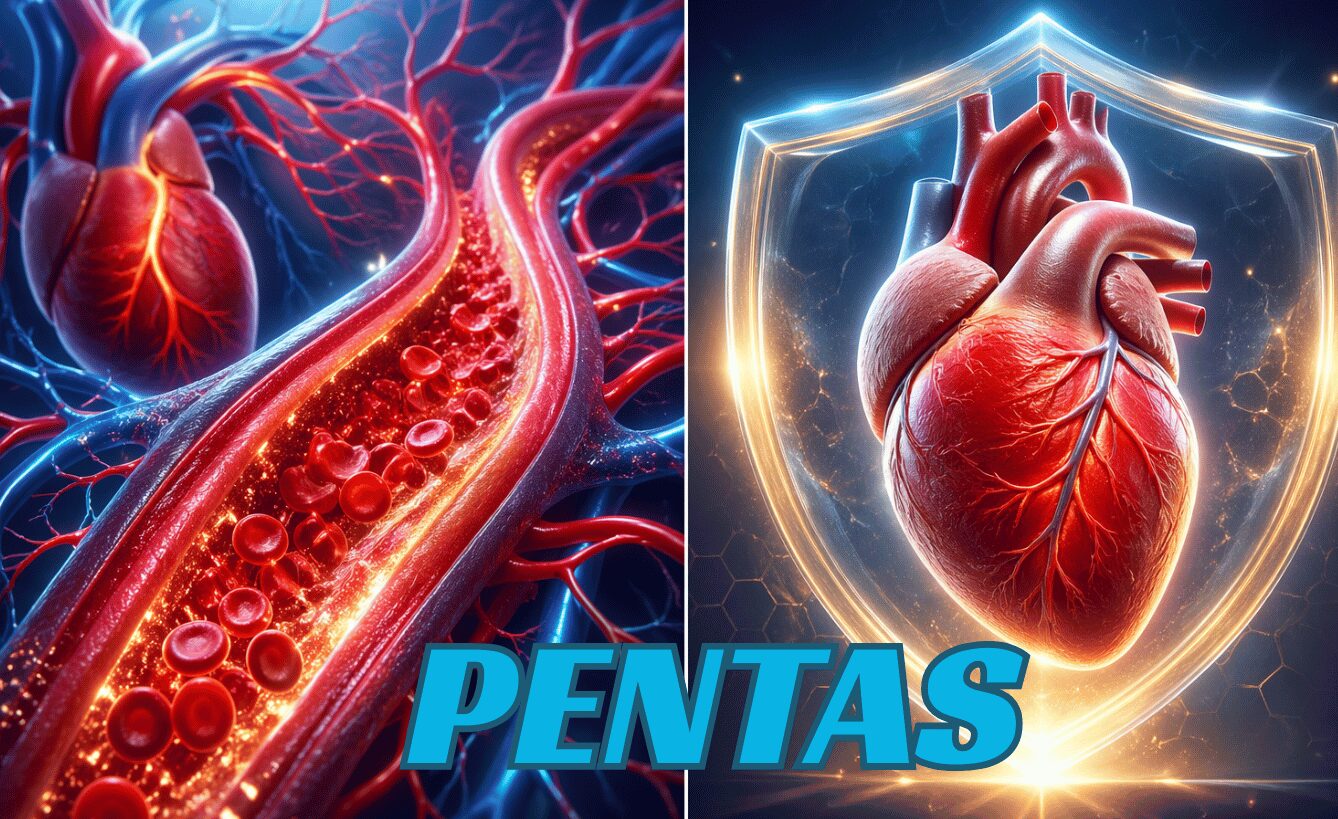
PENTAS (pentaerythritol tetranitrate) is a long-acting nitrate medication designed to support heart health, especially in people suffering from cardiovascular conditions like angina pectoris, a type of chest pain caused by reduced blood flow to the heart. Unlike short-acting nitrates that provide immediate relief during an angina attack, PENTAS is primarily used for prevention and long-term management. It helps decrease the frequency and severity of angina episodes, allowing patients to maintain better physical activity and quality of life.
It works in a similar way to nitroglycerin but stays active in the body for a longer period, making it more suitable for preventing chest pain rather than treating sudden attacks. Because of its sustained action, PENTAS is often used as part of a long-term treatment plan to help improve blood circulation and reduce strain on the heart.
| Catagory | Overview |
| Drug Name | PENTAS (Pentaerythritol Tetranitrate) |
| Type | Long-acting nitrate medication |
| Main Purpose | Prevention and management of angina and heart-related conditions |
| What it Does | Improves blood flow, reduces heart workload, and increases oxygen supply to the heart |
| Mechanism of Action | Converts to nitric oxide → relaxes blood vessels → improves circulation |
| Primary Uses | Chronic stable angina, coronary artery disease (CAD), and chest pain prevention |
| Additional Benefits | Better circulation, reduced heart strain, improved activity tolerance |
| Dosage Form | Oral tablets (usually 2–3 times daily) |
| Common Side Effects | Headache, dizziness, flushing, nausea, low blood pressure |
| Serious Side Effects | Severe hypotension, fainting, irregular heartbeat, allergic reactions |
| Drug Interactions | PDE-5 inhibitors, antihypertensives, alcohol, other nitrates |
| Key Precautions | Long-term prevention of angina and improvement of heart strain |
| Contraindications | Nitrate allergy, severe hypotension, increased intracranial pressure, ED drugs |
| Safety Advice | Take as prescribed, avoid alcohol, maintain nitrate-free interval |
| Lifestyle Support | Healthy diet, exercise, no smoking, stress control |
| Overall, Purpose | Long-term prevention of angina and heart strain improvement |
What Is PENTAS?

ENTAS (Pentaerythritol Tetranitrate) is a long-acting nitrate medication used mainly in the treatment and prevention of cardiovascular conditions. It is commonly prescribed for chronic stable angina, coronary artery disease (CAD), and the long-term prevention of chest pain by improving blood flow to the heart.
In addition to its primary uses, PENTAS also helps reduce the workload on the heart, making it easier for the heart to function efficiently. It is often used as part of combination therapy in various heart conditions to enhance overall treatment effectiveness and improve patient outcomes.
Mechanism of Action: How PENTAS Works
How does it work?
- Converts into nitric oxide (NO) in the body
- Relaxes smooth muscles in blood vessels
- Dilates arteries and veins
- Reduces cardiac workload
- Improves oxygen supply to the heart
Benefits of PENTAS
Key Advantages
Prevents Angina Attacks
- Helps reduce the frequency of chest pain episodes
- Supports better heart function during stress
Improves Blood Circulation
- Enhances blood flow throughout the body
- Ensures better oxygen delivery to tissues
Provides Long-Lasting Relief
- Offers sustained symptom control over time
- Reduces the need for frequent medication use
Reduces Strain on the Heart
- Lowers the workload on the heart muscles
- Helps the heart function more efficiently
Enhances Physical Activity Tolerance
- Improves the ability to perform daily activities
- Reduces fatigue and discomfort during exertion
Dosage and Administration
General Guidelines
- Taken orally in tablet form
- Usually 2–3 times daily
- Taken at evenly spaced intervals
Important Instructions
- Do not crush extended-release tablets
- Follow the doctor’s prescription strictly
- Maintain a nitrate-free interval
Side Effects

Common Side Effects
May cause several mild and commonly observed side effects. These include headaches, dizziness, flushing, nausea, and a drop in blood pressure. These effects are usually temporary and may be reduced as the body adjusts to the medication. For a closer look, see Caffeine in Oolong Tea.
Serious Side Effects
In some cases, more severe reactions can occur. These may include severe hypotension (dangerously low blood pressure), fainting, irregular heartbeat, and allergic reactions. If any of these serious side effects appear, immediate medical attention is required.
Risks and Precautions
Key Precautions
- Avoid in severe low blood pressure
- Use cautiously in elderly patients
- Not for acute angina relief
- Avoid alcohol
Special Considerations
- Pregnancy and breastfeeding
- Liver or kidney disease
Drug Interactions
PENTAS may interact with several other medications and substances, especially PDE-5 inhibitors (such as sildenafil), antihypertensive drugs, alcohol, and other nitrates. These interactions are important because they can lead to a dangerous drop in blood pressure and may also increase the severity of side effects, making the drug unsafe if not properly managed.
Safety Guidelines
Essential Safety Tips
- Take exactly as prescribed
- Avoid sudden movements
- Store properly
- Keep out of reach of children
Lifestyle Tips
- Follow a heart-healthy diet
- Exercise regularly
- Avoid smoking
- Manage stress
Contraindications: Who Should Not Use PENTAS
Allergy to Nitrates
It should not be used by individuals who have a known allergy or hypersensitivity to nitrates, as it may trigger serious allergic reactions.
Severe Anemia
Patients with severe anemia should avoid this medication because it can further reduce oxygen delivery in the body and worsen their condition.
Increased Intracranial Pressure

Those with increased intracranial pressure should not take PENTAS, as it may aggravate symptoms and lead to complications.
Severe Hypotension
PENTAS is contraindicated in individuals with severely low blood pressure, as it can cause a dangerous further drop in blood pressure.
Use with Erectile Dysfunction Drugs
This medication should not be used together with erectile dysfunction drugs, as the combination can lead to a significant and potentially life-threatening fall in blood pressure.
Tips for Maximizing Effectiveness
- Take medication at the same time daily
- Stick to a consistent routine
- Monitor symptoms
- Attend regular check-ups
Conclusion
PENTAS (pentaerythritol tetranitrate) is an effective long-acting nitrate medication widely used for the management of angina pectoris, coronary artery disease (CAD), and long-term prevention of chest pain. By improving blood circulation, reducing cardiac workload, and enhancing oxygen supply to the heart, it plays an important role in supporting overall cardiovascular health.
However, like all medications, PENTAS must be used with proper medical supervision, correct dosage, and awareness of potential side effects, drug interactions, and contraindications to ensure safety and effectiveness. When taken responsibly along with a heart-healthy lifestyle, it can significantly improve quality of life and long-term heart function.
Want to know about How To Get Rid Of Moles In Your Yard: All You Need To Know About Signs of Mole Activity in Your Lawn, Natural Ways Check out our Cleaning category.
FAQs
Pentas can be planted in moderate shade, although they prefer full sun. They will produce fewer flowers if you put them in partial shade.
are popular for gardening in areas with lots of sunshine and moderate winters since they do well in warm, tropical, or subtropical climates.
Pentas (P. lanceolata) is a shrubby evergreen perennial that grows for four to five years and is native to the Arabian Peninsula, East Africa, and Madagascar.
When planting beds, make sure to provide enough room for them to grow because they typically reach heights of 2 to 3 feet and widths of 15 inches.