


The Fittonia albivenis, commonly known as the Nerve Plant, is a striking tropical houseplant celebrated for its intricate, vein-like patterns. With deep green leaves etched in vibrant pink, white, or red, it adds a touch of artistic flair to any indoor garden. However, many beginners find themselves frustrated when this beautiful plant suddenly wilts or “faints.”
Understanding 10 Essential Nerve Plant Care Secrets: Keep Your Fittonia Thriving with Proper Light, Water, and Humidity is the key to transforming this “drama queen” into a resilient showpiece. While the Fittonia can be demanding, it communicates its needs very clearly. Once you master its rhythm, you will find it to be one of the most rewarding plants in your collection.
| Care Secret | What to Do | Why It Matters |
| Provide Bright, Indirect Light | Place near filtered sunlight or bright indoor spots | Prevents leaf burn and keeps colors vibrant |
| Keep Soil Moist | Water when the top inch of soil feels dry | Avoids wilting and stress |
| Maintain High Humidity | Use a humidifier or mist occasionally | Prevents leaf curling and browning |
| Use Well-Draining Soil | Choose peat-based soil with perlite | Prevents root rot while retaining moisture |
| Stable Temperature | Keep between 18–26°C | Protects the plant from stress and shock |
| Regular Pruning | Trim stems and remove damaged leaves | Encourages bushy, healthy growth |
| Monthly Fertilizing | Use balanced liquid fertilizer in the growing season | Supports vibrant foliage and growth |
| Avoid Overwatering | Ensure proper drainage and no standing water | Prevents root rot and Yellowing leaves |
| Repot When Needed | Repot every 1–2 years or when root-bound | Refreshes soil and promotes growth |
| Understand Wilting Signals | Water promptly when the plant droops | Helps prevent long-term damage |
The Origin Story: Why the Nerve Plant is So Specific

The Nerve Plant is native to the rainforests of South America, specifically Peru. In its natural habitat, it grows as a creeping groundcover under the dense canopy of tall trees. This means it thrives in warm, shaded, and incredibly humid environments. When we bring a Fittonia into our homes, we are asking it to adapt to much drier air and different lighting. The “secrets” to its care are simply methods of mimicking that tropical rainforest floor.
The Indirect Light Secret: Avoid the Scorching Sun
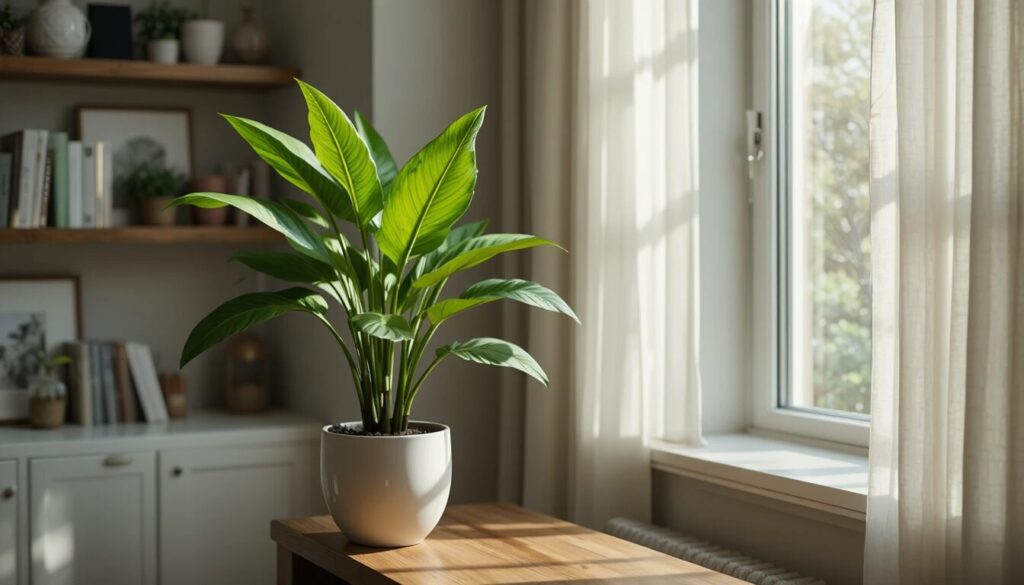
Because they live under tree canopies, Nerve Plants are naturally adapted to filtered light. Direct sunlight is the fastest way to kill a Fittonia, as its thin leaves are highly susceptible to sunburn.
- Ideal Placement: North or east-facing windows are perfect.
- The Warning Sign: If the leaves start looking bleached or develop crispy brown patches, it is getting too much sun.
- Low Light Performance: While they can tolerate lower light, the “veins” may lose their vibrant color, and the plant might become “leggy” as it stretches toward a light source.
The Watering Secret: Consistency is King
If you’ve ever seen your Nerve Plant completely collapse over the side of its pot, you have witnessed a “Fittonia faint.” This is a dramatic physiological response to dry soil. The secret is to keep the soil consistently moist but never soggy. Unlike succulents, the Fittonia has no water-storage capacity in its leaves.
- Frequency: Usually 1–2 times a week, depending on your home’s temperature.
- Bottom Watering: This is a great method for Nerve Plants. Let the pot sit in an inch of water for 15 minutes to allow the roots to soak up exactly what they need.
The Humidity Secret: Aim for the Rainforest Feel
This is perhaps the most critical of the 10 Essential Nerve Plant Care Secrets: Keep Your Fittonia Thriving with Proper Light, Water, and Humidity. In a standard home, humidity levels hover around 30–40%. A Nerve Plant wants 60–80%.
How to Boost Humidity?
- Group Your Plants: Plants “breathe” out moisture (transpiration). Huddling them together creates a microclimate.
- Pebble Trays: Place the pot on a tray filled with pebbles and water. As the water evaporates, it humidifies the air directly around the leaves.
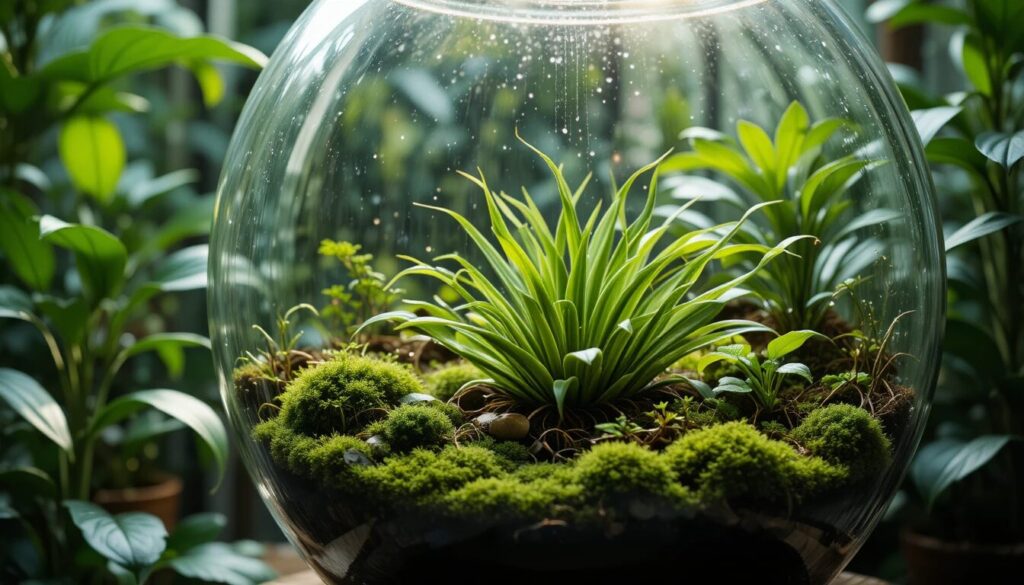
- The Terrarium Hack: Nerve Plants are the undisputed kings of terrariums. An enclosed glass container traps moisture, creating a self-sustaining humid environment.
Temperature Control: The “No Draft” Rule
Fittonias are tropical. They like the same temperatures humans do—between 18°C and 27°C. However, they are extremely sensitive to sudden changes.
Avoid placing your plant near:
- Air conditioning vents.
- Radiators or heaters.
- Drafty doors or windows during winter.
A sudden blast of cold air can cause leaf drop or permanent shock.
Soil and Drainage: Breathable Foundations
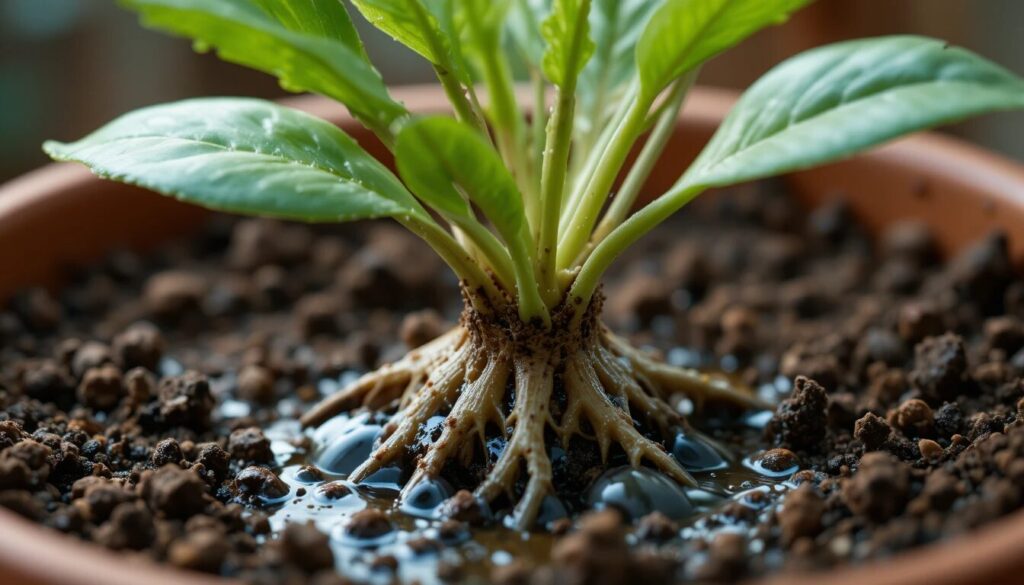
To keep a Fittonia happy, the roots need oxygen as much as they need water. If the soil stays “mucky,” the roots will suffocate and rot.
The secret is a peat-based or coco-coir potting mix with plenty of perlite. This holds onto moisture while allowing excess water to drain away freely. Always ensure your pot has drainage holes!
Quick Reference: Nerve Plant Care Summary
| Factor | Requirement | Signs of Trouble |
| Light | Bright, Indirect | Crispy edges (too much) / Fading color (too little) |
| Water | Consistently Moist | Dramatic wilting (underwatered) / Yellowing (overwatered) |
| Humidity | High (50%+) | Brown, crunchy leaf tips |
| Temperature | 18°C – 27°C | Leaf drop or blackening from cold drafts |
| Fertilizer | Balanced Liquid (Half-strength) | Salt buildup or burnt roots if over-fertilized |
Pruning for a Bushier Look
Left to their own devices, Nerve Plants can get “leggy” or sparse. The secret to a lush, carpet-like appearance is regular pinching.
Use your fingers or clean shears to snip off the growing tips of the stems. This encourages the plant to branch out laterally rather than just growing upward.
Identifying and Solving “The Faint”
If you find your plant wilted, don’t panic! This is the Fittonia’s way of saying “I’m thirsty.”
- The Fix: Give it a thorough soak.
- The Recovery: Within 2–4 hours, the plant will usually perk back up as if nothing happened.
- The Caution: Try not to let this happen frequently. Repeated fainting weakens the plant and causes the lower leaves to yellow.
Pest Prevention: Keep an Eye Out
High-humidity environments can sometimes attract unwanted pests, such as fungus gnats or aphids, so regular monitoring is essential. A helpful tip is to check the undersides of the leaves at least once a week, as pests often hide there. If you notice any signs of infestation, a gentle spray of neem oil or insecticidal soap is usually effective in controlling the problem. Additionally, maintaining good air circulation—such as using a small fan—can help prevent fungal issues and keep your plant healthy.
Propagation: Sharing the Nerve Plant Love
The final secret is how easy they are to multiply! If you have a long stem, you have a new plant.
- Cut a 2-3 inch stem with at least two sets of leaves.
- Remove the bottom leaves.
- Place the stem in a small jar of water or directly into moist soil.
- Keep it warm and humid, and you will see roots in about 2–3 weeks.
Conclusion
Mastering the 10 Essential Nerve Plant Care Secrets: Keep Your Fittonia Thriving with Proper Light, Water, and Humidity turns a difficult plant into a delightful companion. Remember that these plants are communicators; they will tell you when they are thirsty, when they are hot, and when they are happy.
By focusing on high humidity, consistent moisture, and filtered light, you can enjoy the stunning “nervy” patterns of the Fittonia for years to come. Whether it’s sitting on your desk or flourishing in a glass terrarium, a healthy Nerve Plant is a true testament to a dedicated indoor gardener’s skill. Keep it damp, keep it shaded, and watch it glow!
Want to know about How Long Can Roses Go Without Water? All You Need To Know About Factors That Affect How Long Roses Can Stay Without Water, Signs. Check out our Gardening category.
FAQs
Great news! The Fittonia is non-toxic to cats and dogs, making it a safe choice for pet owners.
Misting provides a temporary boost, but the effects only last a few minutes. For long-term health, a humidifier or a pebble tray is much more effective.
Yes! Bathrooms are often the best place for them because of the naturally high humidity and lower light levels.
This is almost always a sign of low humidity. Try misting your plant more often, or move it to a bathroom where shower steam can help.