

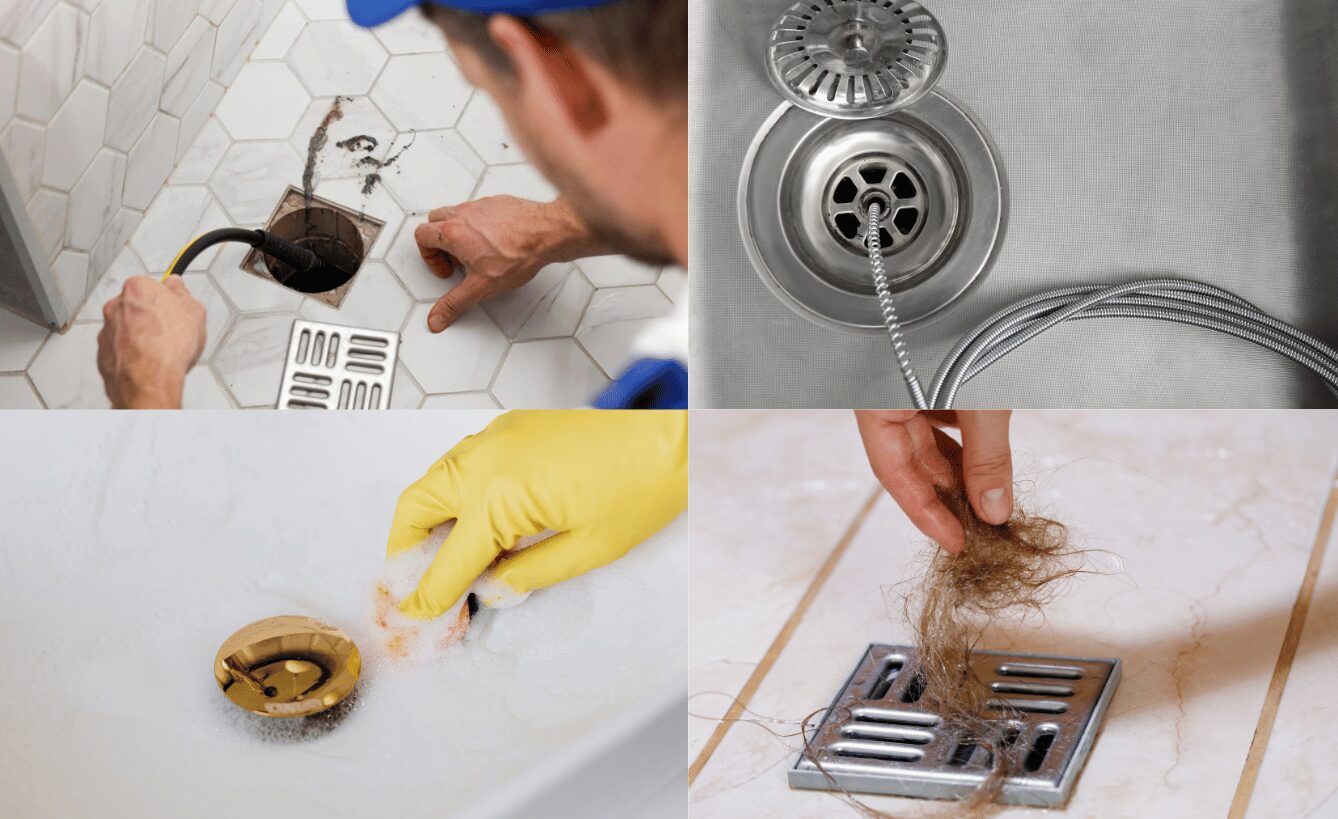
A drain cleanout is a vital component of modern plumbing systems that ensures easy access to underground and interior drainage lines for inspection, cleaning, and maintenance. It acts as a dedicated access point that allows plumbers to quickly identify and remove blockages without damaging walls, floors, or buried pipes.
By simply removing the cleanout cap, professionals can insert specialized tools such as drain snakes, augers, or hydro-jetting equipment to clear debris and restore proper water flow. This simple yet highly effective feature significantly reduces repair time, lowers maintenance costs, and prevents serious plumbing emergencies. Understanding drains, their purpose, types, maintenance, and importance is essential for maintaining a reliable, efficient, and long-lasting drainage system in any home or building.
| Section | Key Points |
| Core Purpose | Allows plumbers to clear blockages without breaking walls or digging up pipes. |
| How It Works | Remove cap → insert snake/auger/hydro‑jet → clear debris → flush → reseal cap. |
| Indoor Cleanouts | Located in basements, utility rooms, or bathrooms for easy internal access. |
| Outdoor Cleanouts | Installed outside near foundation; access main sewer line to street or septic. |
| Floor Cleanouts | Set into garage, kitchen, or basement floors with flush‑fit caps to avoid tripping. |
| Main Sewer Cleanouts | Linked to the main drainage line; essential when multiple fixtures back up. |
| Wall Cleanouts | Hidden behind walls or in cabinets, maintain aesthetics while providing access. |
| Common Clog Causes | Grease/oil, hair, soap residue, food waste, wipes, and tree roots in underground lines. |
| Signs You Need One | Slow drains, frequent clogs, foul smells, gurgling, and water backup in multiple fixtures. |
| Maintenance | Simplifies routine cleaning and inspection of the drainage system. |
| Cost | Reduces the need for pipe replacement, excavation, and major emergency repairs. |
| Benefits – Durability | Lowers pressure buildup and wear, extending pipe life. |
| Locating Cleanouts | Check basements, crawl spaces, near toilets/bathtubs, along exterior walls, and in the yard. |
| Maintenance Tips | Keep the area clear, inspect for leaks, clean mildly, avoid strong chemicals, and schedule pro checks. |
| DIY Cleaning | Use plungers, hand augers, or drain snakes for minor household clogs. |
| DIY Limitations | Can damage pipes or push clogs deeper; not suitable for deep sewer issues. |
| Professional Cleaning | Use motorized augers, hydro‑jetting, and camera inspection for deep or recurring blockages. |
| Professional Benefit | Thorough, long‑lasting results and better diagnostics. |
| Installation Steps | Identify pipe → cut line → add T/Y‑fitting → attach capped cleanout → seal and test. |
| Installation Note | Professional installation is recommended due to complexity and code concerns. |
| Safety Tips | Wear gloves, beware of pressurized waste, avoid inhaling sewer gases, and tighten the cap after use. |
| Environmental Impact | Properly maintained cleanouts prevent leaks, overflows, and soil/groundwater contamination. |
| Common Myths | Myth: “Cleanouts are unnecessary.” Reality: Essential for efficient maintenance. |
What Is a Drain Cleanout?
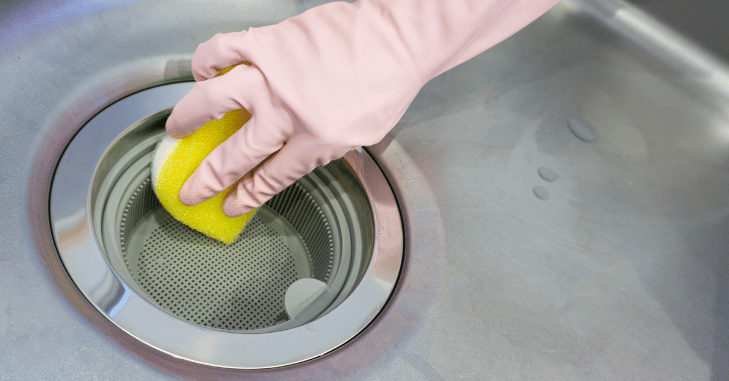
A drain cleanout is a capped pipe that connects directly to your main drainage line and is installed at strategic points in the plumbing system to ensure easy, efficient access for cleaning, inspection, and maintenance.
It serves as a dedicated entry point, allowing plumbers to quickly access the interior of pipes without damaging walls, floors, or underground structures. Instead of dismantling sections of the plumbing system or digging up buried pipelines, professionals can simply remove the cleanout cap and insert specialized tools such as drain snakes, drain augers, or hydro-jetting equipment.
This makes it possible to locate and remove blockages more effectively, flush out debris buildup, and restore proper water flow. Overall, drains save time, reduce repair costs, and play a vital role in keeping the entire drainage system functioning smoothly and reliably.
Purpose of a Drain Cleanout
It serves several important functions:
- Quick Access to Pipes: Allows easy entry into the drainage system
- Clog Removal: Helps eliminate blockages efficiently
- Inspection Point: Enables plumbers to check pipe conditions
- Preventative Maintenance: Reduces risk of severe plumbing issues
- Emergency Solution: Provides fast access during backups or flooding
Drain cleanouts play a crucial role in preventing serious plumbing emergencies by allowing quick identification and removal of blockages before they escalate into major system failures. By providing direct access to underground and interior pipes, they help maintain steady water flow, reduce pressure buildup, and minimize the risk of pipe damage caused by long-term clogs or debris accumulation.
Regular use and maintenance of cleanouts not only extend the lifespan of the entire drainage system but also ensure a cleaner, safer, and more efficient plumbing setup for residential and commercial properties.
Types of Drain Cleanouts

1. Indoor Cleanouts
These cleanouts are typically located inside the home, such as in basements, utility rooms, laundry areas, or bathrooms. They are designed for easy access, allowing homeowners or plumbers to quickly address minor clogs and perform routine maintenance without going outside.
2. Outdoor Cleanouts
Outdoor cleanouts are installed outside the home, usually near the foundation, driveway, or in the yard. They provide direct access to the main sewer line that connects your home to the municipal system or septic tank. These cleanouts are essential for handling major blockages, such as tree root intrusion or deep pipe clogs.
3. Floor Cleanouts
Floor cleanouts are embedded directly into the floor surface and are commonly found in garages, kitchens, basements, or commercial buildings. They are sealed with a durable, removable cap that sits flush with the floor to prevent obstruction or tripping hazards.
4. Main Sewer Line Cleanouts
Main sewer line cleanouts connect directly to the primary drainage line of the property. They are the most important type of cleanout because they allow access to the entire plumbing system. When multiple drains in a home are clogged or backing up, this cleanout becomes critical for diagnosing and clearing large or deep blockages.
5. Wall Cleanouts
Plumbers install wall cleanouts behind walls, inside cabinets, or in concealed spaces to maintain the visual appeal of a room while still providing functional access. Although they are slightly less accessible than other types, installers place them strategically so plumbers can reach specific sections of the plumbing system without damaging walls or fixtures.
How a Drain Cleanout Works?
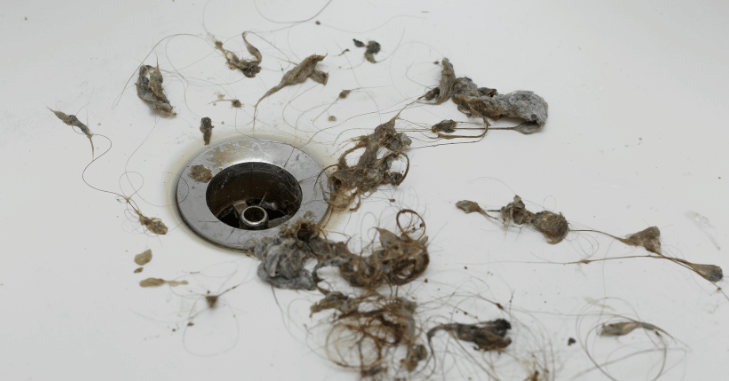
- It serves as an entry point into the plumbing system.
- When a clog occurs, the plumber removes the cleanout cap.
- The plumber inserts specialized tools into the pipe.
- These tools break apart debris and remove buildup.
- They also flush out any obstructions blocking the flow.
- After clearing the blockage, the plumber reseals the cleanout cap.
- This helps restore the system’s integrity and proper function.
Common Causes of Drain Blockages
| Cause of Clogs | Explanation |
| Grease and oil buildup | Fat, oil, and grease harden inside pipes and restrict water flow over time. |
| Hair accumulation | Hair strands bind together and form dense clumps that block drainage. |
| Soap residue | Soap combines with minerals in water to create sticky deposits inside pipes. |
| Food waste | Leftover food particles accumulate and cause slow drainage or blockages. |
| Foreign objects (wipes, paper towels) | Items that do not break down easily get stuck and obstruct the plumbing system. |
| Tree root intrusion (outdoor lines) | Tree roots enter underground pipes searching for moisture and cause major blockages. |
Signs You Need a Drain Cleanout Service

You may need to use or install a cleanout if you notice:
- Slow-draining sinks or tubs
- Frequent clogs
- Foul odors from drains
- Gurgling sounds in pipes
- Water is backing up in multiple fixtures
- Ignoring these signs can lead to severe plumbing damage and costly repairs.
Benefits of Having a Drain Cleanout
1. Easy Maintenance
It makes routine plumbing maintenance simple and efficient because they provide direct access to the drainage system. Instead of dismantling pipes or breaking walls, plumbers can quickly reach the problem area and clear minor blockages.
2. Cost Savings
Cleanouts help reduce plumbing expenses by preventing small issues from turning into major repairs. Since blockages can be addressed early and more easily, homeowners avoid costly excavation or pipe replacement. Over time, this leads to significant savings in both maintenance and emergency repair costs.
3. Faster Repairs
With a drain, plumbers can quickly identify and resolve plumbing issues without needing invasive procedures. The direct access point allows them to insert tools immediately, reducing diagnosis time and speeding up the entire repair process. This is especially helpful during urgent clog situations.
4. Improved Hygiene
Regular use of drain cleanouts helps prevent the buildup of waste, grease, and bacteria inside pipes. This reduces foul odors and lowers the risk of contamination in the plumbing system. As a result, it helps maintain a cleaner and more hygienic home environment.
5. Long-Term Durability
Keeping pipes clean through regular access points like cleanouts helps extend the overall lifespan of the plumbing system. By preventing severe blockages and pressure buildup, it reduces wear and tear on pipes. This ensures the system remains functional and reliable for many years.
How to Locate a Drain Cleanout?
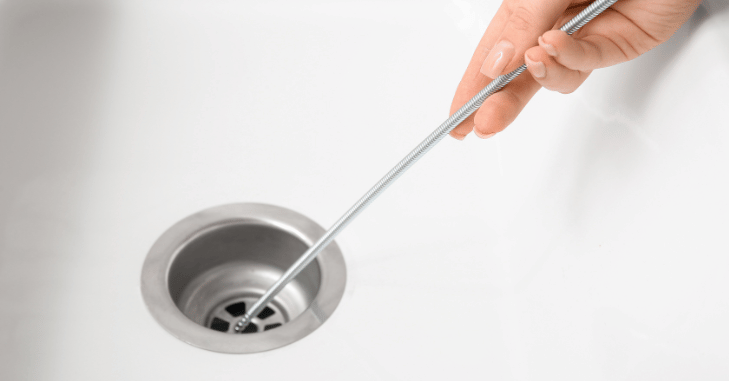
These are typically found in:
- Basements or crawl spaces
- Near bathroom fixtures
- Along exterior walls
- In the yard near the sewer line
- Close to the foundation of the house
- Look for a pipe with a round cap, usually made of PVC, metal, or brass.
Maintenance Tips for Drain Cleanouts
- Keep the area accessible: Avoid covering it with soil or furniture
- Inspect regularly: Check for leaks or corrosion
- Clean periodically: Flush with water or mild cleaning solutions
- Avoid harsh chemicals: They can damage pipes
- Schedule professional inspections, especially for older systems
DIY vs Professional Cleaning
| Type | Description | Tools Used | When to Use | Limitations / Notes |
| DIY Cleaning | Homeowners handle minor drain clogs using basic methods and simple tools. | Plungers, hand augers, drain snakes | Best for small blockages in sinks, tubs, or bathroom drains | Improper use may damage pipes or push the clog deeper into the system |
| Professional Services | Certified plumbers perform deep and thorough drain cleaning using advanced techniques. | Hydro-jetting machines, motorized augers, and inspection cameras | Recommended for severe, recurring, or deep sewer line blockages | More expensive than DIY, but provides long-term and reliable results |
Installation of a Drain Cleanout
- Identifying the correct pipe location
- Cutting into the drain line
- Installing a T-fitting or Y-fitting
- Attaching a capped cleanout pipe
- Sealing and testing the system
- Due to complexity, professional installation is usually the best option.
Safety Considerations
- Always wear gloves when handling cleanouts
- Be cautious of pressurized waste buildup
- Avoid inhaling harmful gases
- Ensure the cap is securely replaced after use
Environmental Impact
Properly maintained drain systems play a crucial role in preventing wastewater leaks, pipe blockages, and contamination of soil and groundwater. When drainage systems function efficiently, they ensure that household and industrial wastewater is safely transported to treatment facilities without spilling into the surrounding environment. Cleanouts provide easy access for regular inspection and cleaning, which helps identify potential issues early and maintain smooth water flow. By reducing the chances of pipe overflow and sewer backups.
Common Myths About Drain Cleanouts
| Myth | Reality |
| Cleanouts are unnecessary | Cleanouts are essential for efficient plumbing maintenance as they provide direct access for inspection and blockage removal. |
| Only plumbers need cleanouts | Homeowners also benefit greatly from cleanouts because they allow quick access for minor maintenance and emergency situations. |
| Chemical cleaners replace cleanouts | Chemical cleaners can damage pipes over time and do not effectively remove deep or stubborn blockages, whereas cleanouts allow proper mechanical cleaning. |
Future Trends in Drain Maintenance
- Smart plumbing systems with sensors
- Eco-friendly cleaning solutions
- Advanced pipe inspection cameras
- Improved pipe materials for durability
Conclusion
Drain cleanouts are a fundamental part of any efficient plumbing system. They provide easy access for maintenance, reduce repair costs, and help prevent major plumbing emergencies. By understanding their purpose, types, and proper care, homeowners can ensure smooth drainage and long-lasting system performance.
Investing in a well-maintained drain is not just a practical decision; it is essential for maintaining a safe, hygienic, and functional living environment. In the long run, well-maintained drain systems contribute to healthier communities, cleaner surroundings, and more responsible use of water resources.
Want to know about Rotten Egg Smell in the House: Causes, Hidden Sources, Health Risks, Identification, Prevention, and Step-by-Step Solutions to Eliminate Sulfur Odors Safely Check out our Cleaning category.
FAQs
It provides access to drainage pipes for cleaning, inspection, and removing blockages.
It should be inspected annually and used whenever there are signs of clogging or slow drainage.
Yes, but you should do so carefully, as pressure buildup can cause waste to spill out.
It is usually found outside near the foundation or inside basements and utility areas.
Most modern homes do, but older homes may not have them installed.
Costs vary depending on location and complexity, but it is generally affordable compared to major plumbing repairs.