


Spring cleaning tips are more than just a seasonal ritual; they are essential for maintaining a healthy, organized, and safe home. Accumulated dust, allergens, and mold over winter can trigger respiratory issues, while clutter and neglected surfaces increase stress and reduce productivity.
Implementing systematic cleaning strategies, using the right supplies and tools, and following room-by-room routines not only improve hygiene but also help with preventive maintenance, prolong the life of appliances and surfaces, and enhance overall well-being.
Whether you aim to reduce allergens, prepare for gatherings, or create an orderly living space, effective spring cleaning transforms your home environment and promotes a healthier lifestyle. For households with infants, elderly individuals, or immunocompromised members, the sanitation benefits of thorough disinfection of high-touch surfaces and careful cleaning of the kitchen and bathroom are especially important.
| Aspect | Key Points |
| Health Benefits | Reduce allergens, respiratory relief |
| Preventative Maintenance | Spot leaks, pests, and damage |
| Psychological Benefits | Lower stress improves productivity. |
| Essential Supplies | Multipurpose cleaner, specialized products |
| Natural Alternatives | Vinegar, baking soda, and hydrogen peroxide |
| Cleaning Tools | Vacuum, microfiber cloths, mop, brushes |
| Advanced Equipment | Steam cleaner, carpet cleaner, professional services |
| Safety Essentials | Gloves, eyewear, trash bags, storage bins |
| Room-by-Room Approach | Declutter, deep-clean, sanitize, inspect |
| Techniques | Steam cleaning, enzyme cleaners, and proper ventilation |
| Common Mistakes | Wrong cleaners, poor order, unsafe chemicals, lack of a plan |
| Time-Saving | Checklists, timers, bin sorting, delegation, professionals |
| Maintenance Habits | Daily, weekly, monthly, seasonal routines |
| Professional Help | Carpets, mold, HVAC, roof, antique conservation |
| Overall Goal | Clean, safe, organized, allergen-free home |
Why Spring Cleaning Tips Matter?
The health benefits of spring cleaning tips are significant. Dust, pet dander, pollen, and mold spores accumulate over winter and can trigger allergies or respiratory irritation. Deep-cleaning tasks such as vacuuming upholstery, laundering bedding and curtains, and cleaning HVAC vents reduce these irritants and help systems run more efficiently.
Spring cleaning is also an opportunity for preventative maintenance: while decluttering and cleaning, you can spot signs of leaks, pest activity, or worn materials and take corrective action before small problems become expensive repairs. Psychologically, removing excess items and tidying living spaces reduces cognitive load and stress, thereby improving productivity and emotional well-being. If you want to go deeper, read Common Cooling Problems Homeowners Ignore Until It’s Too Late.
Essential Cleaning Supplies
Having the right supplies on hand makes spring cleaning faster and more effective. A multipurpose cleaner covers most surfaces, while specialized products like glass cleaner, degreaser, and disinfectants are useful for targeted cleaning.
Natural Cleaning Alternatives
For deep-cleaning tasks, natural options such as white vinegar, baking soda, and hydrogen peroxide are effective and reduce exposure to harsh chemicals. However, avoid using acidic cleaners, such as vinegar, on natural stone surfaces.
Important Cleaning Tools
Tools play a key role in efficiency. Useful items include a vacuum with attachments, microfiber cloths, an extendable duster, a suitable mop, scrub brushes, grout tools, and a squeegee for glass cleaning. An extendable duster also makes short work of the trim most people skip, and getting baseboards properly clean is what stops dust settling straight back onto freshly vacuumed floors.
Advanced Equipment and Services
For larger tasks, consider using a steam cleaner, carpet cleaner, or even professional cleaning services to achieve more thorough results.
Safety and Organization Essentials
Stock up on trash bags, sorting bins, rubber gloves, and protective eyewear, especially when handling strong cleaning agents or dealing with mold.
Room-by-Room Approach
- Declutter first: sort into keep, donate, sell, and trash
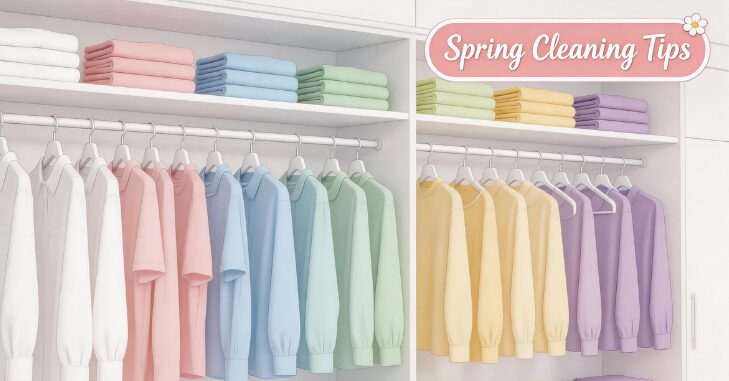
- Living areas/bedrooms: vacuum upholstery, wash covers, dust surfaces, clean windows
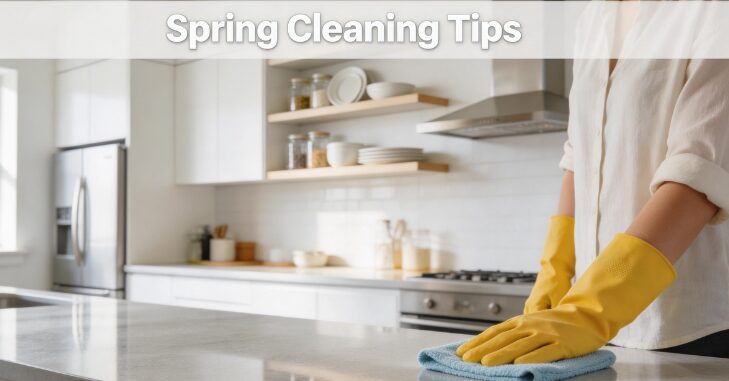
- Kitchen: clear pantry/fridge, clean appliances, sanitize surfaces, and sink
- Bathrooms: scrub tiles/grout, disinfect fixtures, check caulking
- Home office: organize papers, dust electronics, manage cables
- Utility areas: inspect for pests, moisture, and maintenance issues
- Storage spaces: reorganize and store items safely
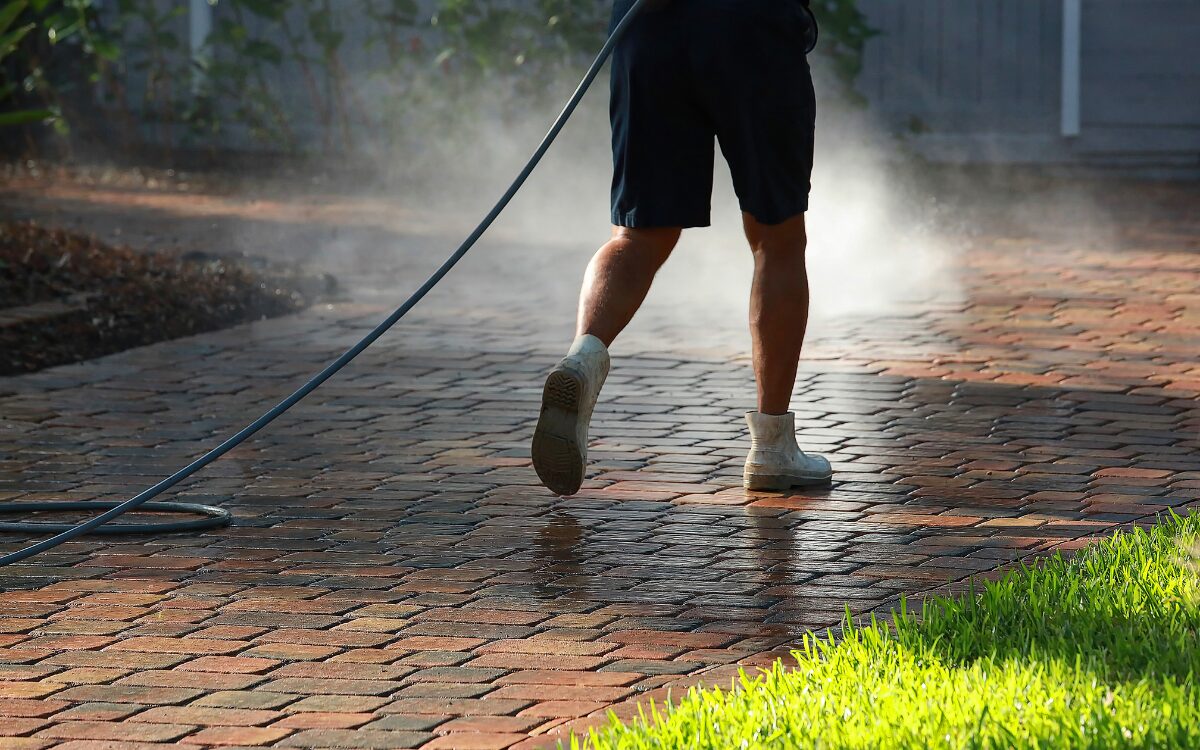
- Outdoor tasks: clean gutters, wash patios, service equipment, inspect exterior
Techniques and Natural Alternatives
Deep-cleaning often benefits from targeted techniques. Steam cleaners use high-temperature vapor to loosen grime and sanitize many surfaces without chemicals, making them ideal for grout, upholstery, and some flooring. Baking soda and vinegar remain versatile and inexpensive cleaning agents: baking soda is a gentle abrasive and deodorizer, while vinegar cuts grease and leaves a streak-free finish on glass, though it should be avoided on acid-sensitive stone. Also worth reading: Bleach and Vinegar.
Hydrogen peroxide is a disinfectant that can help control mold on grout. For organic stains and odors such as pet accidents, enzyme cleaners break down residues effectively. When using any cleaning method, test it on an inconspicuous spot first, follow manufacturer guidelines for appliances and surfaces, and ventilate the area to avoid inhaling fumes.
Common Mistakes to Avoid
Using Incorrect Cleaners
Using the wrong cleaner on surfaces, such as vinegar on marble or granite, can cause etching and permanent damage.
Cleaning in the Wrong Order
Cleaning floors before dusting higher surfaces leads to rework. Always clean from top to bottom for efficiency.
Unsafe Chemical Use
Overusing bleach or mixing incompatible cleaners can create hazardous fumes. Follow instructions carefully.
Decluttering After Cleaning

Cleaning before decluttering wastes time. Remove clutter first to easily access all surfaces.
Lack of Planning
Rushing large tasks without a plan causes fatigue and incomplete results. Break tasks into manageable steps.
Ignoring Care Instructions
Neglecting manufacturer guidelines for appliances and surfaces can lead to damage or void warranties.
Time-Saving Strategies
- Create a checklist and schedule by room and day
- Use timers (25–45 minutes) with short breaks
- Sort items using labeled bins (keep, donate, sell, trash)
- Use multipurpose tools to save time and effort
- Delegate tasks based on skills and abilities
- Involve the family to speed up work
- Hire professionals for complex or heavy tasks
Maintenance Habits to Sustain Results
To keep your home cleaner longer, follow a set of daily, weekly, monthly, and seasonal routines. Daily habits might include wiping kitchen counters after use, loading the dishwasher, making beds, and sorting mail to prevent clutter buildup.
Weekly routines should cover vacuuming or sweeping, bathroom sanitation, laundering towels and bedding, and spot-cleaning messes. Monthly tasks include replacing HVAC filters as needed, cleaning range hoods, washing machine seals and filters, and checking refrigerator coils.
Seasonal chores beyond spring cleaning include gutter maintenance, servicing lawn equipment, testing smoke and carbon monoxide detectors, and scheduling HVAC maintenance before extreme weather. Establishing these rhythms reduces the burden of the next deep clean and preserves the condition of your home.
When to Hire Professionals

- Some spring-cleaning tasks are best left to professionals. If carpets and upholstery are heavily soiled, a professional carpet cleaner can extract deep-seated dirt and allergens more thoroughly than consumer machines.
- Mold remediation involving large infestations, structural water damage, or contamination requires licensed specialists.
- HVAC servicing, dryer vent cleaning, chimney sweeping, and roof inspections are other tasks where professional expertise reduces safety risks and ensures effective maintenance.
- For historic homes or valuable antiques, conservation professionals provide the best advice on safe cleaning and preservation.
Conclusion
Spring cleaning is a practical investment in your home’s health, longevity, and your own well‑being. With a clear plan, the right supplies, and a systematic approach, you can transform what often feels like an overwhelming chore into an efficient, even restorative process.
Prioritize decluttering before deep cleaning, use appropriate techniques and materials for each surface, avoid common mistakes, and adopt simple maintenance habits to prolong results. Whether your goal is to reduce allergens, prepare for gatherings, or create a more orderly living environment, a thoughtful spring-cleaning routine will leave your home cleaner, safer, and more enjoyable for the seasons ahead.
Apart from that, if you want to know more about Hardwood Floor Polish: How to Use, Types, Reviews, Cost, Applicator, DIY Solutions And Much More then visit our Cleaning category.
FAQs
Traditionally, in spring, when the weather permits airing out the house, but the best time is whenever you can commit several focused days. Break tasks across weekends or schedule room-by-room sessions to fit your calendar.
Don’t mix cleaning chemicals (especially bleach and ammonia), avoid using the wrong cleaner on sensitive surfaces, don’t clean out of order (always top to bottom), and don’t declutter after cleaning—purge first to make cleaning easier.
Steam cleaners are effective for sanitizing and loosening grime without chemicals, useful for grout, upholstery, and certain floors. They’re worth it if you prefer chemical‑free cleaning or have frequent deep‑cleaning needs.