


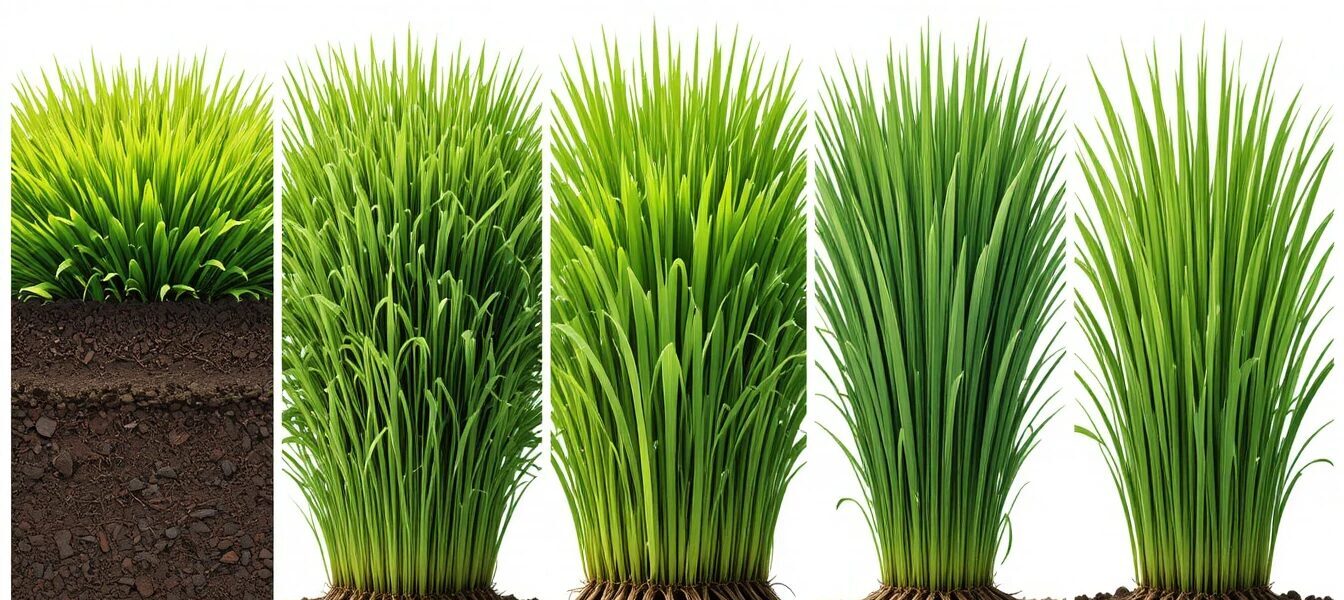
Understanding lawn care begins with learning about the main types of grass and how each variety performs in different climates and soil conditions. This article explains five popular lawn varieties, including Bermuda, Kentucky Bluegrass, Zoysia, Tall Fescue, and St. Augustine, highlighting their root depth, soil chemistry needs, color, growth height, and maintenance levels.
From deep, drought-resistant roots to self-repairing rhizomes and spreading surface runners, each option offers distinct qualities and performance strengths. A clear comparison of climate preference, soil balance, durability, and types of grass helps homeowners choose wisely. By understanding maintenance demands and natural growth habits, long-term lawn health and visual appeal can be achieved more effectively.
| Grass Type | Climate Preference | Soil Chemistry | Root System | Maintenance Level |
| Bermuda Grass | Warm climates | Slightly alkaline | Deep and strong | High (frequent mowing, full sun) |
| Kentucky Bluegrass | Cool climates | Fertile, well-balanced nutrients | Rhizomes (self-repairing) | Moderate to High (regular watering, feeding) |
| Zoysia Grass | Warm to hot areas | Adapts to varied soil | Deep and dense | Moderate (less frequent mowing) |
| Tall Fescue | Cool to moderate | Tolerates varied soil | Very deep roots | Moderate (periodic trimming) |
| St. Augustine Grass | Warm coastal areas | Sandy, balanced nutrients | Medium depth, surface runners | Moderate to High (regular watering) |
Types Of Grass
Bermuda Grass
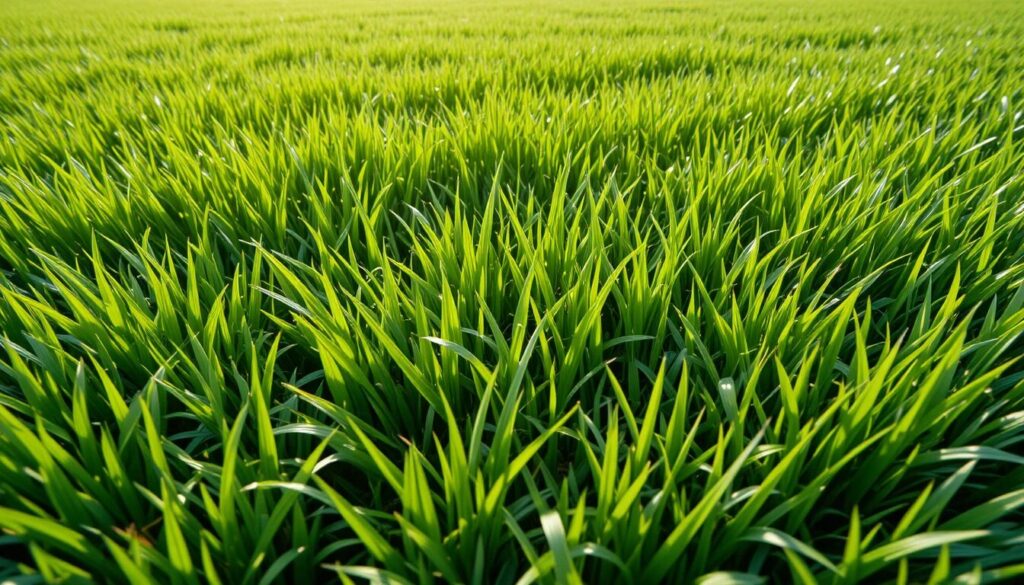
Among common types of grass, Bermuda grass stands out for its durability and rapid spread. It thrives in warm climates and prefers slightly alkaline soil chemistry. The blades are fine with a rich green color, and they develop deep, strong roots. It grows low to the ground but spreads widely, requiring frequent mowing. Regular maintenance and sunlight help maintain its dense, carpet-like quality.
Kentucky Bluegrass

Kentucky Bluegrass is valued for its soft texture and dark emerald color. It grows best in cool weather and in fertile, well-balanced soil. This variety forms underground roots called rhizomes that help repair damaged patches naturally. It reaches medium heights if unmowed and needs consistent watering. Proper maintenance, seasonal feeding, and moderate sunlight preserve its lush appearance and high lawn quality.
Zoysia Grass

When discussing different types of grass, Zoysia stands out for its dense growth and heat tolerance. It adapts well to varied soil chemistry and shows strong resistance to weeds. Its blades display a bright to medium green color and grow slowly to moderate heights. With deep roots and dense coverage, it requires less frequent mowing, though steady maintenance improves texture.
Tall Fescue
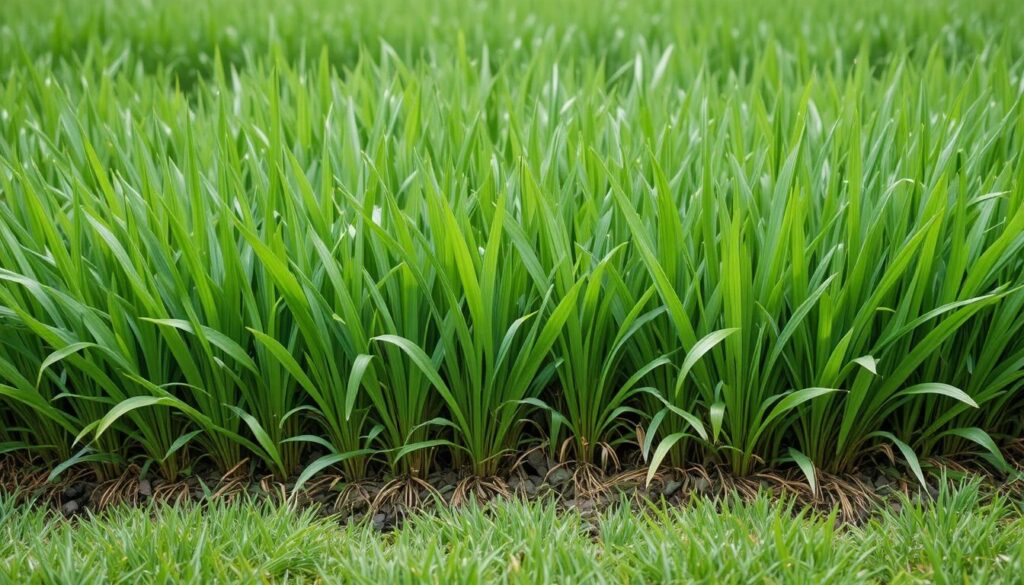
Tall Fescue is recognized for its adaptability and strong root system. Its roots grow deep into the soil, allowing excellent drought resistance and nutrient absorption. The blades are slightly coarse with a natural dark green color. It tolerates varied soil chemistry and partial shade. Growing taller than wide, it needs periodic trimming and moderate maintenance to keep neat.
St. Augustine Grass

In warm coastal regions, many homeowners prefer certain types of grass, such as St. Augustine, for their broad blades and dense coverage. This variety thrives in sandy soil with balanced chemical nutrients. It shows a deep green color and spreads through surface runners. With medium root depth and moderate height, it requires regular watering and careful maintenance to sustain quality.
Key Factors
- Understanding lawn performance involves more than appearance.
- Soil chemistry, root strength, blade height, and natural growth habits all affect durability.
- Color variations reflect nutrient balance and overall plant health.
- Some grasses require high maintenance, with frequent mowing and fertilization, while others can survive with minimal care.
- Evaluating these qualities ensures a lawn remains attractive, resilient, and environmentally suited to its location.
Climate and Soil Impact on Growth
Climate determines how grass responds to temperature shifts, rainfall levels, and sunlight exposure. Certain types of grass perform better in cool regions, while others flourish under intense heat. Soil chemistry, including pH balance and mineral content, directly affects root development and blade color. Matching grass nature to environmental conditions reduces maintenance efforts and enhances overall lawn quality.
Maintenance Practices for Healthy Lawns
- Proper lawn care supports healthy roots, balanced growth heights, and vibrant color.
- Watering schedules should match seasonal climate conditions to protect natural strength.
- Fertilizers adjust soil chemistry and improve blade quality.
- Mowing at suitable heights prevents stress and promotes density.
- Aeration encourages deeper root systems.
- Consistent maintenance tailored to the specific nature of the grass ensures long-term durability and beauty.
Visual Appeal and Functional Benefits
Beyond decoration, lawns provide environmental and practical benefits. Many types of grass reduce soil erosion through dense root systems and improve air quality by absorbing carbon dioxide. Their green color creates calming outdoor spaces, while soft textures enhance comfort. Choosing varieties based on height, chemical tolerance, and maintenance needs ensures both visual appeal and functional value.
Choosing the Right Grass
Selecting the ideal lawn variety requires balancing climate, soil chemistry, maintenance time, and desired appearance. Consider natural growth patterns, color preferences, and root depth before planting. Some grasses remain short with minimal trimming, while others grow taller and thicker. By carefully comparing qualities, homeowners can create sustainable, attractive landscapes suited to their environment and lifestyle.
Conclusion
In conclusion, understanding the different types of grass is essential for creating a healthy, long-lasting lawn. Each variety differs in climate preference, soil chemistry needs, root strength, height, color, and maintenance level. Some require frequent mowing and sunlight, while others tolerate shade, drought, or sandy soil. By comparing these specific features carefully, homeowners can select the most suitable types of grass that match their environment, ensuring durability, beauty, and balanced lawn performance.
Want to know about How Long Can Roses Go Without Water? All You Need To Know About Factors That Affect How Long Roses Can Stay Without Water, Signs That Roses Are Dying From Dehydration, What Happens to Roses When They Don’t Get Water, And Much More Check out our Gardening category.
FAQs
Bermuda and Zoysia perform well in warm, sunny regions. They tolerate heat, spread quickly, and develop strong roots, making them suitable for high temperatures and heavy outdoor use.
Kentucky Bluegrass and Tall Fescue grow successfully in cooler climates. They handle moderate temperatures, maintain rich color, and develop deep or spreading roots that support steady seasonal growth.
Zoysia generally grows slowly and maintains moderate height, reducing mowing frequency. Its dense growth pattern also helps limit weed invasion while maintaining a neat and compact appearance.
Kentucky Bluegrass spreads through underground stems called rhizomes. These allow it to fill bare or worn areas without reseeding, helping maintain an even, attractive lawn surface.
St. Augustine thrives in sandy and coastal soils. It spreads via surface runners, forms a thick canopy, and maintains strong color when provided with adequate water and nutrients.