


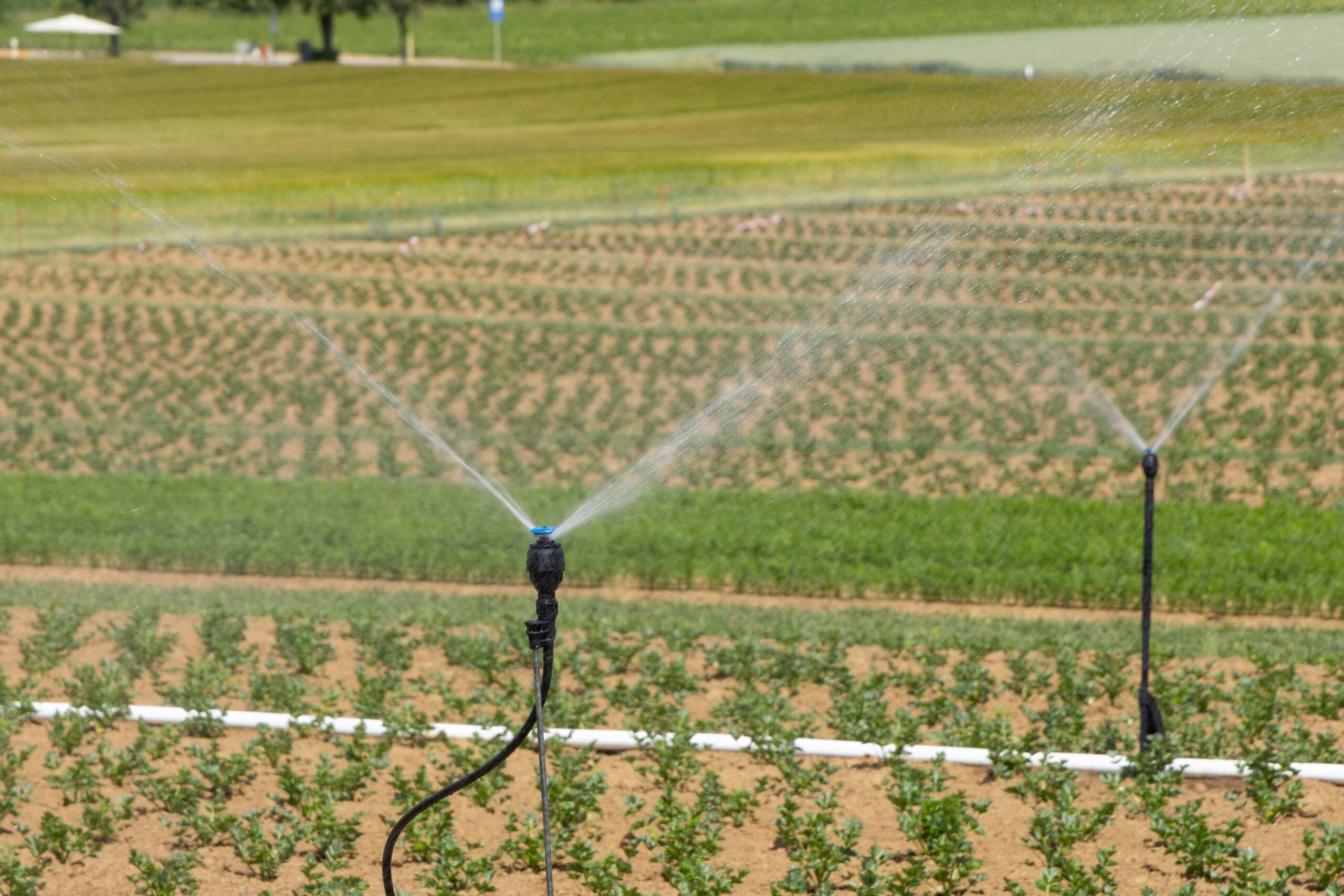
Gardening in the UK involves a lot of weather fluctuations, one week we get warm, dry afternoons, and the next week it is damp and blustery. This unpredictability makes watering tricky and highlights the need for automatic irrigation kits.
A modern automatic irrigation kit uses timers and simple sensors to match watering to the actual weather conditions. Using it offers steadier soil moisture through spring shoots, summer heats, frosty mornings, sudden downpours and those changeable autumn spells. Likewise, bear in mind that modern irrigation methods let you mix and match approaches. For instance, you can run drip lines for beds, micro-drips for pots, small sprinklers for seedlings, buried lines for root crops, and micro-sprayers for a greenhouse. All this can be done with a simple sensor-led automatic irrigation system.
Let’s take a look at the four modern irrigation methods and how gardeners typically pair them with ready-made kits. There is more on this in Studio Apartment in Greater Noida.
Here Are The Four Modern Irrigation Methods and The Kits That Power Them
1. Drip Irrigation
Drip irrigation delivers water directly to the root zone through small emitters or tape. It is an efficient process as less water runs off and less foliage gets wet, which helps reduce disease. For allotment lands and greenhouse beds, drip lines are ideal and are mainly used when growing vegetables and soft fruit. They are easy to fit around plants and to expand as your patch grows. You can also plug a drip layout into an automatic irrigation kit and choose when and where it waters. Drip lines keep moisture steady in heat and cut back in wet weather to prevent soggy roots.
2. Micro Sprinklers and Misters
Micro-sprinklers and misters offer a wide range of coverage for small, growing plants. They cannot be used as lawn sprinklers as they provide very low pressure and can only be used to spread water over young plants or seed trays. Use them in greenhouses for seedlings or in raised beds where you want even surface wetting. These heads need clean water and good filtration, as little nozzles block easily. If you choose to connect the system with an automatic irrigation kit, you can schedule short bursts in the morning and evening when evaporation is lower.
3. Subsurface Drip Irrigation
Subsurface drip irrigation operates beneath the soil, so water goes straight to the roots and the surface area stays dry. That keeps leaves cleaner and less prone to diseases and must be used especially by salad and brassica growers. Installation requires a little more planning than the usual, as the tube is placed beneath the soil or mulch. It suits raised beds and larger plots where you want even moisture for the roots over the weeks. You may choose to pair a soil moisture sensor with an automated kit so that it waters only when the root zone actually needs it.
4. Smart Sensor-led Systems
Sensor-led systems use soil moisture probes, basic temperature sensors, timers, rain sensors, flow controllers, and pressure regulators, among other things, to make watering choices. These systems range from simple units to fully automatic irrigation kits that handle multiple zones, each with its own settings. Many of these kits run on mains power or solar, making them useful on allotments or off-grid plots. For people who juggle several beds or an extensive greenhouse, a sensor-led kit is the fastest way to organise watering without endless checking.
How Can Gardeners Use These Irrigation Methods Together
Gardeners have the freedom to choose one or more irrigation methods as per their requirements. Commonly used irrigation methods include drip for main beds, micro-sprinklers for nursery trays, subsurface lines for long-term salad beds, and a smart, sensor-led system that ties it all together. That combination covers most scenarios and can be built from ready-made kits, ultimately offering you consistent results.
Conclusion
Choosing a watering approach is not about finding a single perfect system, but about matching the methods to your garden and the time you can dedicate to it. Planning plays a crucial role in deciding the irrigation methods you must adapt, so think about things like which beds you will expand next year or what part of the allotment needs to be protected the most during a hot spell.
Likewise, choose an automatic irrigation kit that lets you make changes without having to redo the entire garden. A sensor kit lets you monitor soil moisture and control watering so you can water different parts of the garden separately. This can also tell you how the soil performs over time and if you can add layers as your garden grows.
Eventually, it may not solve every problem, but it will surely take the routine out of watering and give you more headroom to enjoy the plants.
Apart from that, if you want to know more about Types of Grass: Expert Insights on Climate Adaptation, Root Strength, Soil Needs, and Lawn Performance then visit our Gardening category.