

Introduction
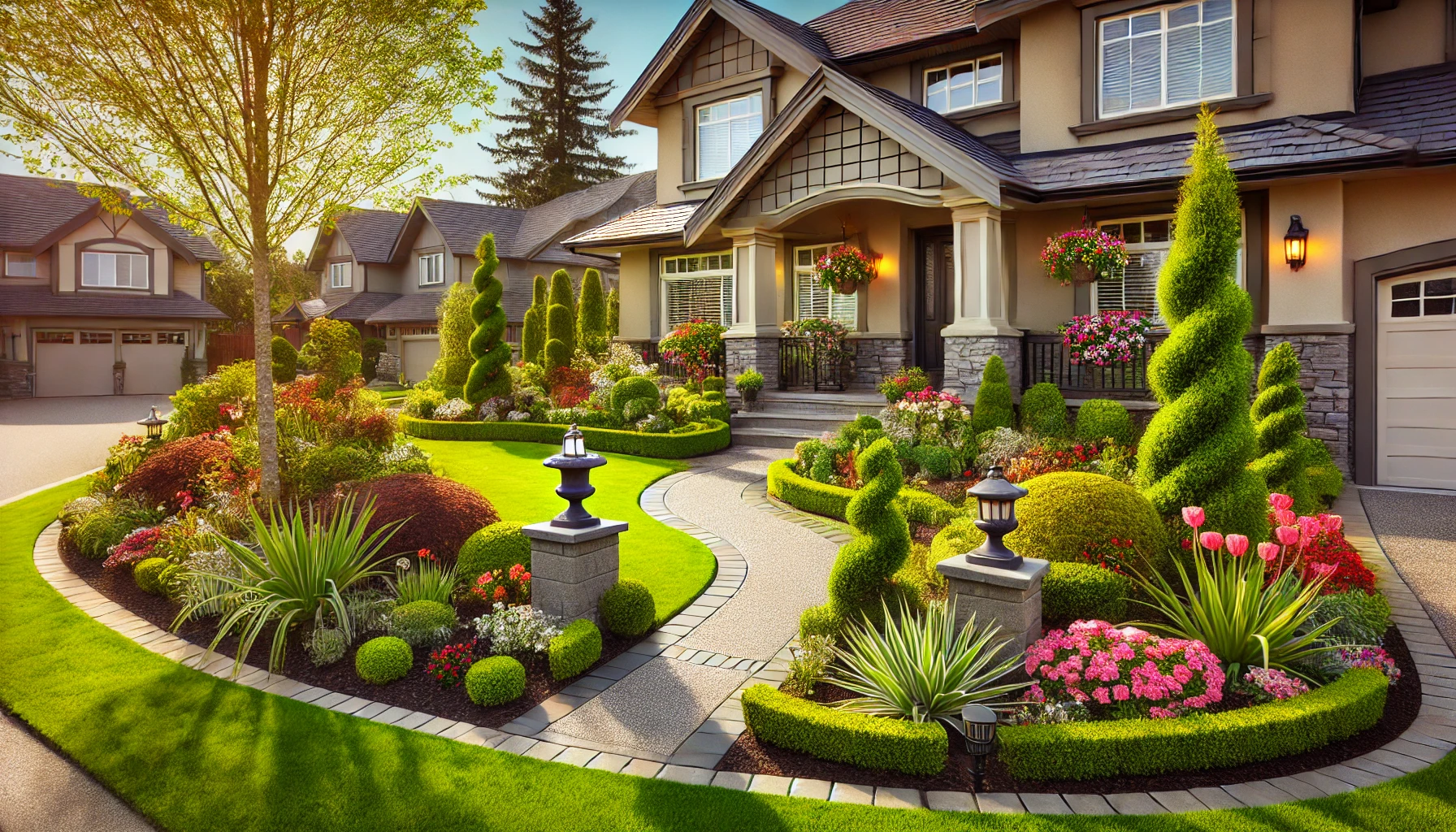
Visitors and bystanders frequently form their initial opinions of your home based on the front of the house. As such, front-of-house landscaping is essential in creating an inviting, aesthetically pleasing, and functional outdoor space.
This article will guide you through transforming your front of house landscaping into a vibrant, well-designed landscape. From planning and design to choosing plants and hardscaping elements, this comprehensive guide will help you make informed decisions about your landscaping choices.
Here’s a table on “Front of House Landscaping”:
| Aspect | Description |
| Purpose | Enhance curb appeal, create an inviting atmosphere, and add value to the property. |
| Elements | Lawn, flower beds, shrubs, trees, walkways, driveway, outdoor lighting, decorative features (e.g., fountains, statues). |
| Design Principles | Balance, symmetry, color contrast, and proportion. Use of natural materials and complementary styles. |
| Maintenance | Regular mowing, trimming, watering, fertilizing, seasonal planting, and pest control. |
| Plant Selection | Choose plants suitable for the climate, soil, and sunlight conditions. Incorporate seasonal plants for year-round interest. |
| Hardscaping | Incorporate non-plant elements like stone pathways, wooden fences, decorative walls, or benches for functional beauty. |
| Lighting | Install outdoor lighting to highlight key features, improve safety, and extend the usability of outdoor spaces at night. |
| Budget Considerations | Plan for long-term maintenance costs, initial landscaping installation, and potential upgrades (e.g., adding features like a water fountain). |
| Common Mistakes | Overcrowding plants, choosing high-maintenance species, neglecting long-term growth, and ignoring drainage issues. |
Key Elements of Front of House Landscaping
Plants and Trees
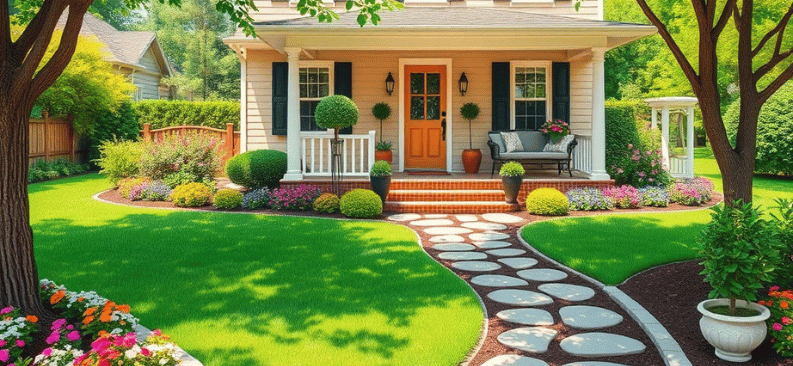
- Trees: Large, mature trees provide shade and can act as focal points. They also increase air quality and privacy.
- Shrubs can create borders, provide structure, and fill areas between larger plants and trees.
- Flowers: Seasonal blooms add color and vibrancy to the landscape’s overall appeal.
Lawns
A healthy grass provides a verdant background for additional gardening components. It offers a soft, inviting space that complements hardscaping features.
Hardscaping
This refers to non-plant elements such as pathways, patios, walls, and fences. Hardscaping defines spaces, guides movement, and can enhance the beauty of the landscape.
Lighting
Proper lighting can highlight landscaping features, improve safety, and extend the usability of outdoor spaces into the evening.
Water Features
Fountains, ponds, or birdbaths can add a serene element to the landscape, attracting wildlife and soothing sounds.
How Front-of-House Landscaping Enhances Curb Appeal and Functionality
Front-of-house landscaping does more than add greenery — it frames the entire look of your home, creating an inviting first impression while improving outdoor usability. Thoughtfully chosen plants, balanced hardscape elements like pathways and edging, and layered design can draw the eye toward architectural features such as entryways and windows. Incorporating a mix of textures and heights — from low-lying ground covers to taller shrubs or ornamental trees — helps create depth and visual interest without overwhelming the space. Well-planned landscaping can also guide movement to your front door, define boundaries without harsh barriers, and soften structural lines with natural elements. By considering both aesthetic and practical aspects, front-of-house landscaping becomes a key contributor to your home’s overall personality and functionality.
The Importance of Front-of-House Landscaping

1. Curb Appeal and Its Impact
Curb appeal well-maintained and thoughtfully landscaped front yard instantly enhances curb appeal, making your home more inviting and visually appealing. Whether you’re preparing to sell your home or want to improve its aesthetics, landscaping plays a vital role in making it stand out. We break this down further in Stamped Asphalt Driveways.
2. Value Addition to Your Home
Front yard landscaping can increase the market value of your property. Homes with well-designed landscapes are often valued more than homes with poor or no landscaping.
Real estate professionals often cite curb appeal as one of the top factors influencing potential buyers’ decisions. Beyond aesthetics, good landscaping can provide functional benefits like privacy, improved air quality, and reduced energy costs.
Benefits of Front of House Landscaping

Investing in front-of-house landscaping offers numerous benefits:
- Increased Curb Appeal: A well-landscaped yard creates a positive first impression, making homes more appealing to potential buyers and guests.
- Improved Property Value: Attractive landscaping can significantly increase a property’s market value, providing a good return on investment.
- Enhanced Outdoor Living: Thoughtful landscaping transforms the front yard into a functional outdoor space for relaxation, entertaining, or play.
- Environmental Benefits: Landscaping helps improve air quality, reduce noise pollution, and support local wildlife.
Planning Your Front Yard
1. Understanding Your Space
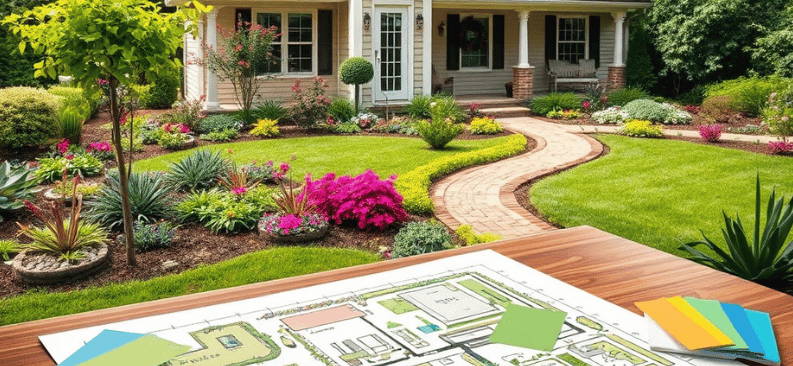
The first step in any landscaping project is understanding the space you are working with. Take measurements of your front yard, including its length, width, and existing features like trees, pathways, or buildings.
2. Budgeting for Landscaping
Your budget will guide the scale of your landscaping, from simple improvements like adding a flower bed to more complex projects involving hardscaping features like stone pathways or patios. Remember that professional landscaping services can add to your overall cost, but many DIY projects can be accomplished at a fraction of the cost.
3. Identifying Your Style
The style of your front yard should complement your home’s architecture and the surrounding neighborhood. Are you looking for a traditional, manicured garden or a modern, minimalist look? Do you want a lush, green lawn or a low-maintenance, drought-tolerant garden? Identifying your style early on will help you make cohesive design decisions for your front-of-house landscaping.
Key Elements of Front-of-House Landscaping

1. Lawn Design
A healthy lawn is a key component of many front yard landscaping designs. It is a soft, green foundation for other landscaping features and provides a welcoming space for outdoor activities. Choose a grass variety that suits your climate and soil conditions. Consider using grass alternatives like clover or ground covers in areas with poor soil or where grass doesn’t grow well.
2. Pathways and Walkways
A well-placed pathway serves both functional and aesthetic purposes. It guides visitors to your front door and can be a visually striking front yard feature. Materials like flagstone, brick, or gravel can create a charming walkway, while curved paths can add a sense of movement and intrigue to the landscape.
3. Garden Beds and Plant Selection
Garden beds are an essential part of any front yard. Carefully selecting plants that suit your climate and the soil conditions will ensure your garden thrives. Consider using a mix of perennials, annuals, shrubs, and ground covers to create layers of color and texture. Incorporate plants that bloom at different times of the year to ensure year-round interest.
4. Trees and Shrubs
Strategically placed trees and shrubs can provide shade, privacy, and visual interest. Trees can frame your home and create a sense of scale, while shrubs can define your garden beds or act as borders. When selecting trees and shrubs, consider their size at maturity and how they will complement your overall design.
5. Outdoor Lighting
Outdoor lighting is both practical and decorative. It illuminates your pathways and entryway, making it easier for guests to navigate at night and highlighting the beauty of your landscape. Solar-powered lights are energy-efficient, while low-voltage lighting can provide dramatic effects.
6. Focal Points and Accents
Every well-designed landscape should have a focal point—a feature that draws the eye and creates visual interest. This could be a sculpture, a water feature, or a striking plant. Accents like garden statues, birdbaths, or decorative planters can add personality to your front yard.
Another important aspect of front-of-house landscaping is seasonal maintenance and adaptability. A well-designed front yard should not only look attractive during one season but remain visually appealing throughout the year. This can be achieved by selecting a mix of evergreen plants, seasonal flowers, and ornamental grasses that change with the weather.
Regular upkeep such as pruning, mulching, and replanting seasonal blooms ensures that the landscape continues to look fresh, balanced, and well-maintained in every season.
Implementing and Maintaining the Design

Once you have a well-thought-out design plan, it’s time to implement it. Depending on your skills and resources, this may involve hiring a professional landscaper or taking on the project yourself. Proper installation and ongoing maintenance are key to ensuring the long-term success of your front-of-house landscape.
Proper Installation Techniques
Whether installing new plants, hardscaping features, or changing the landscape, following best practices and industry standards is important. This will help ensure that your landscape is well-constructed, durable, and serves its intended purpose.
Embracing Seasonal Changes
One of the joys of front-of-house landscaping is the ability to enjoy the changing seasons. Incorporate plants and design elements that provide year-round interest, ensuring that your outdoor space remains visually appealing throughout the year.
Conclusion
Investing time and effort into your front-of-house landscaping can create an inviting and visually stunning outdoor space that sets the tone for the rest of your property. Whether you want to enhance your home’s curb appeal, increase its value, or enjoy a well-designed outdoor area, thoughtful landscaping can make a significant difference. Following the principles and strategies outlined in this article, you can transform the front of the house into a true outdoor oasis that leaves a lasting impression on all who visit.
If you want to read an interesting article about it, explore our “landscaping” category.
FAQs
Plants suited to the local temperature, soil, and light levels typically require the least care, and you can let nature take care of the organization for you.
When designing your landscape, consider your soil type, site topography, and local climate.
A region of land’s visible characteristics, including its landforms and how they blend in with other natural or artificial features, is called its landscape. These elements are frequently evaluated based on their aesthetic value.
Front-of-house landscaping creates a strong first impression, improves curb appeal, and enhances the overall appearance of a home.
Well-designed landscaping can increase perceived home value by making the property more attractive to visitors and potential buyers.