

Sudden water leaks can damage floors, walls, and belongings fast. Knowing the common causes and how to locate the source helps limit the mess and cost. These clear steps guide homeowners through the process and show when professional help is the safest choice.
A sudden water leak can appear without warning and spread quickly through a home. Water on the floor, damp ceilings, or an unexpected rise in the water bill often signals a problem that needs immediate attention. Common causes include burst supply lines, failing drain connections, and aging water heaters. Finding the source early reduces damage and repair costs. Homeowners who follow a simple process protect their property and avoid larger issues. When the leak continues or the source stays hidden, emergency plumber services provide the rapid response needed to stop the water and restore a dry, safe space.
Common Causes of Sudden Water Leaks
Most sudden leaks start in a few predictable places. Supply lines under sinks or behind toilets can crack or loosen at the fittings. Drain pipes may separate or overflow when clogged. Water heaters often develop leaks at the tank, valves, or connected pipes as they age.
Sewer backups can also force water into the home through floor drains or fixtures. Checking these areas first usually reveals the problem or narrows the search significantly.
How to Begin Tracing the Source
Shut off the main water supply if the leak is active and spreading. This simple step stops additional water from entering the home and prevents further damage.
Next, look for visible signs. Check under sinks, around toilets, near the water heater, and along basement walls or ceilings for moisture, staining, or dripping. Feel pipes for wetness and listen for the sound of running water when all fixtures are turned off.
Note whether the leak appears only when a certain faucet or appliance is used. This detail helps determine whether the problem is on the supply side or the drain side.
Supply Line and Fixture Problems
Flexible supply lines under sinks and toilets are frequent sources of sudden leaks. Over time the material can crack or the connections can loosen. A spray or steady drip often appears when water pressure is applied.
Locate the local shutoff valves under the fixture and turn them off. Inspect the lines closely for damage. Worn lines should be replaced rather than repeatedly tightened. Prompt attention here often stops the leak before it reaches flooring or cabinets.
Water Heater and Drain-Related Leaks
Water heaters can leak from the tank itself, the drain valve, or the temperature and pressure relief valve. Corrosion inside older tanks is a common reason for sudden failure. Pooling water around the base of the unit is a clear warning sign.
Drain problems create a different type of sudden leak. A clogged drain or sewer line can cause water to back up into sinks, tubs, or floor drains. Gurgling sounds or slow drainage often appear just before an overflow. Clearing the blockage or repairing the line stops the backup.
Hidden Leaks Behind Walls or Under Floors
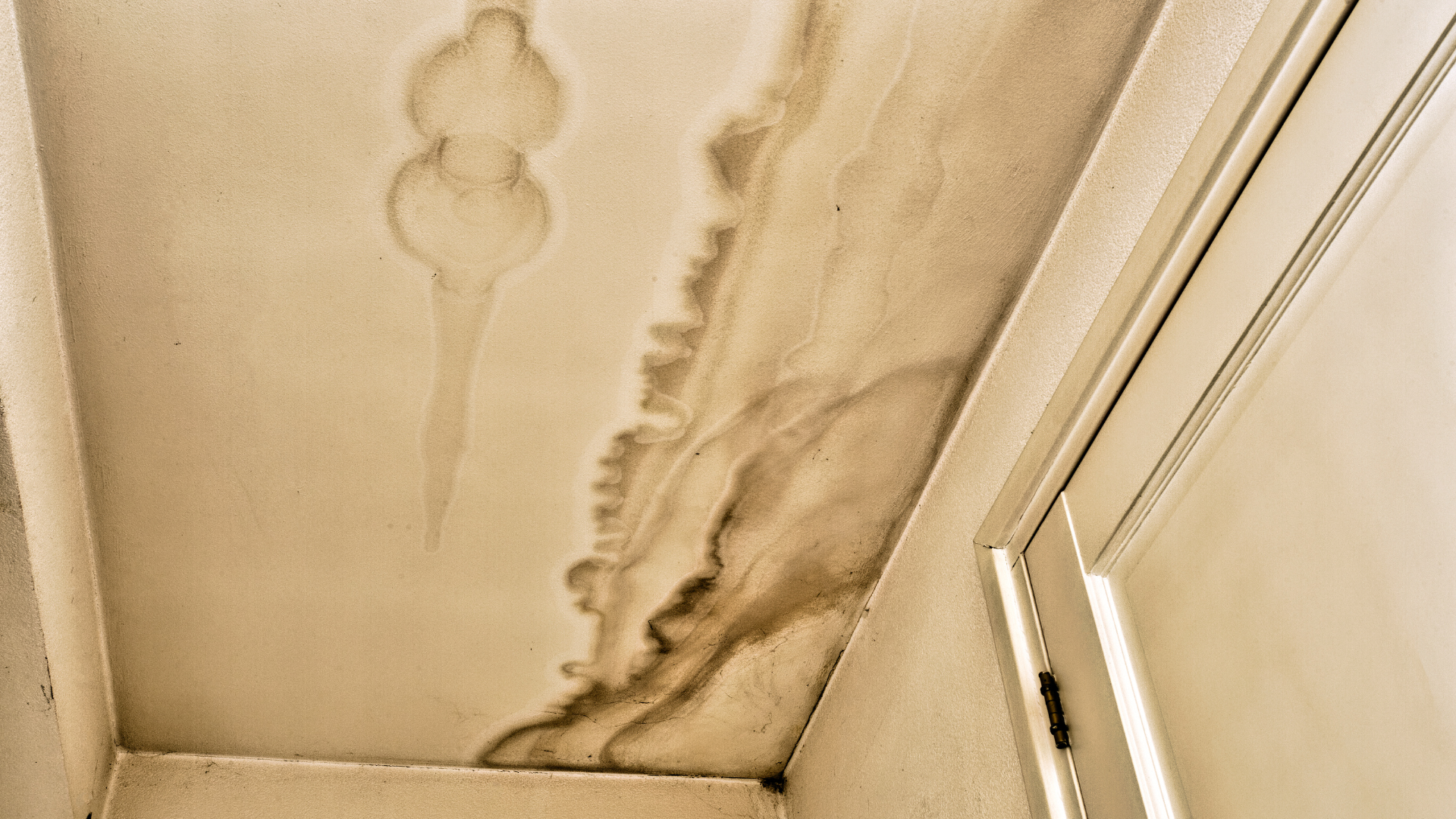
Not every leak is easy to see. Water can travel along pipes or through framing before it becomes visible. Stains on ceilings, soft spots in flooring, or a musty smell may be the first clues. Higher-than-normal water bills without increased use also suggest a hidden leak.
In these cases, professional tools such as moisture meters and inspection cameras can locate the exact source without unnecessary demolition. Early detection limits the extent of repairs needed.
Protecting the Home While Investigating
- Shut off the main water supply if the leak is active.
- Move belongings away from the wet area.
- Use towels or a wet vacuum to remove standing water.
- Document the location and any visible damage with photos.
- Avoid using electrical devices near standing water.
These actions protect the property and give clear information to a technician if professional help is required.
When Professional Help Is the Right Choice
Some leaks require specialized tools and training. Burst pipes, sewer backups, and water heater failures are best handled by trained technicians. They can locate the source accurately, make lasting repairs, and help prevent the problem from returning.
Attempting complex repairs without the right knowledge can lead to more damage. Calling for emergency plumber services ensures the issue is resolved safely and completely, especially when water continues to appear after basic shutoffs.
FAQs
What should I do first when I find a sudden leak?
Shut off the main water supply if the leak is active, move items away from the water, and begin looking for the source.
Are water heaters a common cause of sudden leaks?
Yes. Aging tanks, valves, and connections frequently develop leaks that appear with little warning.
How can I tell if a leak is on the supply side or the drain side?
Supply-side leaks can occur even when fixtures are not in use. Drain-side problems usually appear when water is running or after a fixture has been used.
Can a clogged drain cause a sudden overflow?
Yes. A blockage can force water to back up quickly into sinks, tubs, or floor drains.
When is it time to call for professional help?
Call if you cannot locate the source, if the leak involves a main line or water heater, or if water continues after basic shutoffs.
What to Remember
Sudden water leaks most often come from supply lines, drain connections, water heaters, or sewer issues. A methodical search—shutting off water, checking common locations, and noting when the leak occurs—usually reveals the source. Hidden leaks behind walls or under floors may need professional detection. Acting quickly limits water damage and repair costs. When the problem is beyond basic checks or the water keeps flowing, emergency plumber services deliver the skilled response needed to stop the leak and restore a dry home. Stay prepared, know where the shutoff valves are, and respond without delay so small leaks do not grow into larger, more expensive problems.