

Introduction
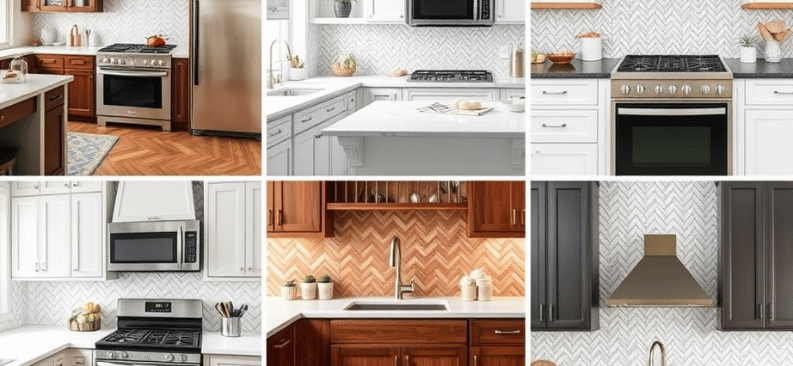
The herringbone kitchen backsplash has become a standout design choice for homeowners and interior designers alike. Its unique zigzag pattern, reminiscent of a fish’s skeleton, adds an element of sophistication and charm to kitchens of all styles. Whether renovating your space or designing a new kitchen, the herringbone pattern offers versatility and aesthetic appeal. Also worth reading: Siding Installation.
| Category | Details |
| Design Pattern | The zigzag layout is formed by rectangular tiles arranged at right angles to create a distinctive “V” shape. |
| Popular Materials | – Ceramic – Porcelain – Marble – Glass – Natural Stone (e.g., travertine, slate) |
| Advantages | – Timeless elegance – Versatile for various kitchen styles – Creates an illusion of more space – Available in diverse materials/colors |
| Disadvantages | – Complex installation – Can be more expensive than simpler patterns – Requires careful maintenance (especially for porous materials) |
| Ideal Color Schemes | – Classic white or cream – Contrasting Grout for emphasis – Neutral tones for subtle looks |
| Installation Tips | – Plan layout carefully – Start from the Center for symmetry – Use a quality tile cutter – Consider professional installation |
| Maintenance Requirements | – Wipe down regularly with a damp cloth – Seal Grout to prevent stains – Avoid abrasive cleaners – Inspect for cracks or loose tiles |
| Cost Range | – Material: $5–$50 per square foot – Labor: $10–$20 per square foot – Total: $500–$2,500 (average for a typical kitchen) |
| Customization Options | – Varying tile sizes – Matte or glossy finishes – Combination of materials (e.g., marble and glass) – Different grout colors |
| Best Kitchen Styles | – Modern – Traditional – Transitional – Rustic or farmhouse – Eclectic |
What Is a Herringbone Pattern?
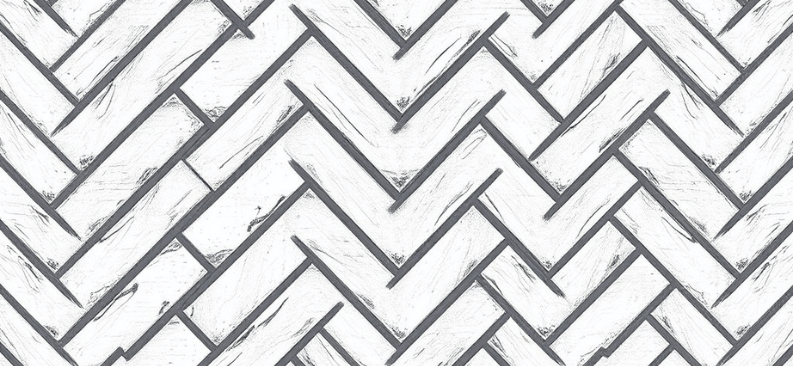
The herringbone pattern is a classic design that consists of rectangular tiles arranged in a zigzag formation. Unlike the chevron pattern, which features tiles cut at an angle to create a seamless “V” shape, the herringbone layout involves straight rectangular tiles at right angles. This timeless design originated in ancient Rome and has become popular in modern home interiors.
Timeless Elegance
Herringbone patterns have a timeless appeal that blends seamlessly with various design styles, from traditional to modern. This versatility allows homeowners to use herringbone tiles to complement their existing decor while adding a unique twist. Whether you opt for classic white subway tiles or colorful ceramic options, a herringbone backsplash can enhance the visual interest of your kitchen.
Why Choose a Herringbone Backsplash?
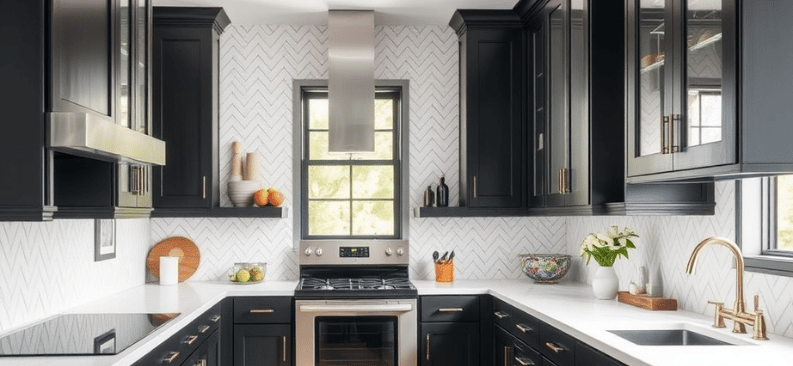
1. Timeless Elegance
The herringbone pattern has a timeless charm that never goes out of style. Its geometric precision complements any modern, traditional, or transitional kitchen.
2. Versatility in Design
Herringbone backsplashes complement various design aesthetics. Whether you prefer sleek subway tiles for a minimalist look or marble for a luxurious feel, the herringbone pattern adapts beautifully.
3. Illusion of Space
The zigzag design can make small kitchens feel larger and more dynamic by drawing the eye upward and outward, creating a sense of depth.
4. Customization Options
With a wide range of materials, colors, and tile sizes, you can customize your herringbone backsplash to suit your unique style and preferences.
Choosing the Right Materials for a Herringbone Backsplash

When selecting materials for a herringbone backsplash, there are various options, including natural stone, ceramic, glass, and metallic tiles. Each material offers its unique aesthetic and practical benefits, so it’s essential to carefully consider the overall design goals and the kitchen’s existing style when deciding.
· Ceramic Tiles
Because they are inexpensive and come in various colors and finishes, ceramic tiles are a popular option for herringbone backsplashes. They are perfect for busy kitchens since they are simple to maintain and clean. Ceramic tiles may also replicate the appearance of more costly materials, offering a fashionable alternative without going over budget.
· Marble
Marble tiles may produce a refined and beautiful look for a hint of luxury. The herringbone design gains depth and personality from the distinctive marble patterns and natural veining. Iridescent or polished finishes can enhance the overall aesthetic, making marble a favored choice for upscale kitchen designs.
· Porcelain
Because they are long-lasting and moisture-resistant, porcelain tiles are perfect for kitchens. They provide more durability and simplicity of maintenance while having the capacity to resemble genuine stone. Because porcelain tiles come in various hues and textures, you may personalize your herringbone backsplash.
· Glass
Glass tiles can introduce a modern flair and reflect light, making your kitchen feel brighter and more spacious. They are available in various colors and can create a stunning visual effect. However, glass tiles may require more maintenance to keep them pristine, as they can show fingerprints and smudges more easily than other materials.
Herringbone Design Ideas for Kitchens
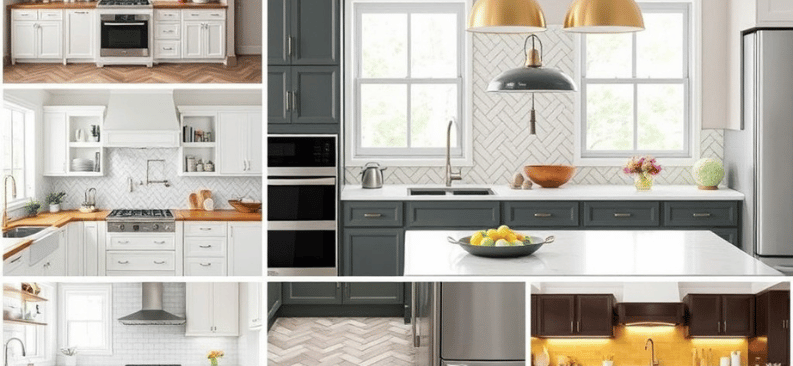
1. Classic White Herringbone
A white herringbone backsplash paired with white Grout creates a clean, seamless look.
2. Contrasting Grout
Using dark Grout with light tiles (or vice versa) enhances the herringbone pattern, making it a kitchen focal point.
3. Bold Color Choices
Consider vibrant hues like navy blue, emerald green, or deep red for a contemporary twist. These bold colors can add personality and energy to your kitchen.
4. Textured Finishes
Textured or matte-finish tiles provide depth and interest. They go well with organic materials like stone and wood.
5. Mixed Materials
Combine materials such as marble and glass to create a unique, eye-catching design. This approach works well in eclectic and transitional kitchens.
Installation Tips for a Herringbone Backsplash

· Plan the Layout
Careful planning is essential when installing a herringbone backsplash. Map out the pattern on paper or use a digital tool to ensure accuracy and avoid wastage.
· Start at the Center
Begin installation from the Center of the backsplash area to create a balanced look. This ensures the pattern is symmetrical on both sides. There is more on this in LVP Flooring Cost in 2026.
· Use a Tile Cutter
To get neat, accurate cuts, spend money on a high-quality tile cutter. This is particularly important for the edges and corners of the herringbone pattern.
· Work with a Professional
While DIY installation is possible, hiring a professional can ensure a flawless result, especially if the herringbone pattern is new to you.
Proper lighting also plays a crucial role in enhancing a herringbone backsplash. The angled zigzag pattern naturally creates shadows and highlights, which can either emphasize or soften the design depending on the lighting used. Under-cabinet lighting, in particular, helps bring out the texture and depth of the tiles, making the pattern more visually dynamic. Choosing the right lighting setup ensures that the backsplash remains a striking focal point in the kitchen both day and night. For a closer look at this, see Look at Its Composition.
Cost of Installing a Herringbone Backsplash
The cost of a herringbone backsplash depends on several factors, including material, tile size, and labor. On average:
- Depending on the type of tile, material costs range from $5 to $50 per square foot.
- Professional installation labor costs range from $10 to $20 per square foot.
- Total Cost: For a typical kitchen, expect to spend between $500 and $2,500.
- DIY installation can save labor costs but may require additional tools and time.
Maintenance and Cleaning of Herringbone Backsplashes
One of the key considerations when installing a herringbone backsplash is the ongoing maintenance and cleaning required. The intricate pattern can make cleaning more challenging, particularly in the grooves and corners. However, with the right cleaning techniques and products, a herringbone backsplash can be kept looking fresh and pristine for years. Our guide to Weekly vs Fortnightly Cleaning covers this in more detail.
· Regular Cleaning
Regular dusting and wiping down the backsplash with a mild cleaning solution will help maintain its appearance. Avoid using abrasive cleaners that can scratch the surface of the tiles, especially if they are made of glass or polished stone.
· Grout Maintenance
Grout lines can accumulate dirt and grime over time, so cleaning them regularly is essential. A soft brush or a specialized grout cleaner can help keep the Grout looking fresh. In addition to preventing stains, grout sealing can facilitate cleaning.
· Repairing Damage
Replacing a tile in a herringbone pattern can be more difficult than other patterns in the event of damage. It may require removing several surrounding tiles, repairing them, and re-installing and aligning them correctly. This task often requires professional expertise, so it’s advisable to consult a professional if significant repairs are needed.
Conclusion
A herringbone kitchen backsplash is more than just a design element—it’s a statement piece that elevates the entire kitchen space. Its timeless appeal, versatility, and ability to blend with various materials make it a favorite choice among homeowners and designers. Whether you opt for a classic white design or experiment with bold colors and mixed materials, the herringbone pattern will surely bring style and sophistication to your kitchen.
Apart from that if you want to know about “Front of House Landscaping: Enhancing Curb Appeal, Key Elements, Importance, Benefits, Key Elements and Functionality” then please visit our “Crafts and Tools” Category.
FAQs
From ancient wood floors to Roman roadways, the herringbone pattern has been a part of architecture for ages. Because of its lengthy history and ongoing appeal, it is a classic option for the kitchen backsplash that will never go out of style.
Although the design could require more material than a straight-set, easier installation, the price difference isn’t great.
The everlasting appeal of herringbone tile comes from its timeless yet adaptable design, which goes well with a wide range of interior design aesthetics, such as Mid-Century Modern, Scandinavian, Bohemian, and many more. The continuous V-shaped chevron tile is frequently likened to this staggered, zigzag design.
Front-of-house landscaping creates a strong first impression, improves curb appeal, and enhances the overall appearance of a home.
Well-designed landscaping can increase perceived home value by making the property more attractive to visitors and potential buyers.