

Introduction
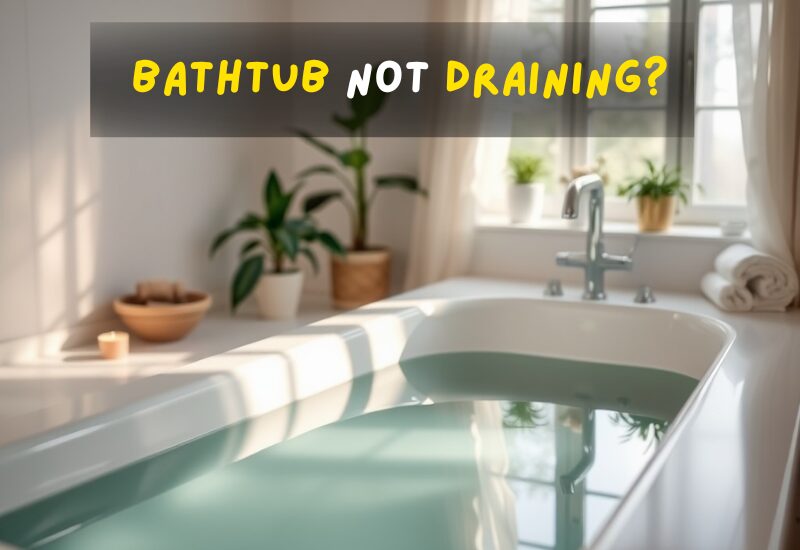
Dealing with a bathtub not draining fast or not draining properly can be a real pain, especially when it disrupts your daily routine. Sometimes, you might find your bathtub not draining but sink is fine, leaving you confused about the cause.
While clogs are a common culprit, there are instances where a bathtub not draining not clogged could point to issues like ageing pipes, faulty stoppers, or blocked plumbing vents. The good news? With a bit of know-how and effort, you can often fix the problem yourself.
Luckily, there are plenty of DIY fixes to try before calling in a plumber—like using a plunger, flushing with baking soda and vinegar, or manually removing blockages with a drain snake. If the problem persists, it might be due to corroded pipes or blocked plumbing vents, which require professional attention. We break this down further in Signs Your Air Conditioning System Needs Immediate Attention.
Better yet, you can avoid future hassles with preventative measures like installing drain covers, regular cleaning, and addressing hard water issues.
| Category | Description |
| Causes | Hair build-up, soap scum, debris, mineral deposits, faulty stoppers, and more. |
| Signs for drainage | Slow drainage, standing water, gurgling noises, or unpleasant smells. |
| DIY Solutions | Plunging, baking soda & vinegar solution, a drain snake, or boiling water |
| When to Call a Professional | In case of persistent clogs or pipe damage |
| Preventive measures | Installing drain covers and regular cleaning. |
Let’s explore the causes, solutions, and tips to keep your bathtub flowing smoothly!
Common Causes of a Bathtub That Isn’t Draining Properly
A bathtub that doesn’t drain effectively often signals an underlying issue with clogged pipes or obstructed water flow, and identifying the cause can help prevent further plumbing problems. Hair, soap scum, and mineral buildup are frequent culprits that accumulate over time in the drain or P-trap, restricting the passage of water and slowing drainage. Additionally, objects accidentally dropped into the drain or blockages deeper in the plumbing line can create backups that become noticeable in the tub. Understanding these common causes is the first step toward resolving slow or stagnant drainage, whether through simple DIY cleaning methods or by calling in a professional for more stubborn blockages. When addressed promptly, these issues can improve bathroom hygiene, reduce unpleasant odors, and extend the life of your plumbing system. If you want to go deeper, read Chimney Flashing in 2026.
Why is My Bathtub Not Draining? Common Causes

If your bathtub isn’t draining as it should, there are several potential culprits. Some common causes include:
Hair and Soap Scum Build-Up
Hair is a major culprit in causing clogged drains. Combined with soap scum, it creates a sticky mess that blocks water flow over time.
Debris in the drain
Small items like jewelry, toys or even chunks of soap can accidentally make their way into the drain and cause blockages.
Mineral Deposits from Hard Water
In regions with hard water, mineral deposits can accumulate in your pipes, restricting the flow of water.
A Faulty Drain Stopper
Sometimes, the issue isn’t a clog at all but rather a malfunctioning drain stopper that’s stuck in the closed position or partially blocking water flow.
Old or Damaged Pipes
If your plumbing system is aging, corroded pipes may be causing drainage issues by restricting water flow.
Blocked Plumbing Vents
Plumbing systems rely on vents to balance air pressure. If these vents are clogged, it can slow down drainage significantly.
Signs Your Bathtub Needs Attention
Not sure if your bathtub drain is in trouble? Here are some tell-tale signs that something’s not right:
- Water drains slower than usual or doesn’t drain at all.
- Standing water lingers in the tub after use.
- You hear gurgling noises coming from the drain.
- There’s an unpleasant smell wafting up from the pipes.
- Water backs up into other fixtures, like sinks or toilets.
DIY Solutions for a Bathtub That Won’t Drain
Before you call a plumber, try these simple fixes to get your bathtub draining properly again:
The Plunger Trick
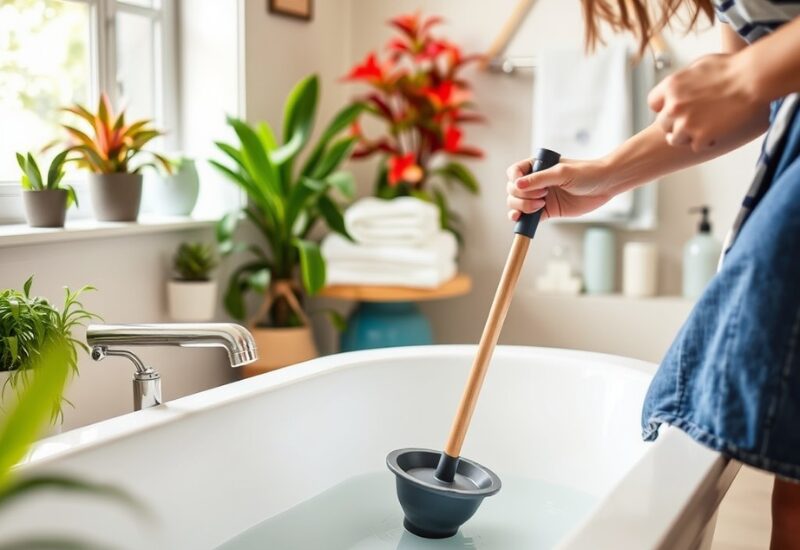
A plunger isn’t just for toilets! Pour enough water to fully cover the plunger head, ensuring a seal over the drain. Pump it up and down vigorously for 20–30 seconds to dislodge any clogs near the surface.
The Baking Soda and Vinegar Method

This natural solution works wonders for minor clogs caused by soap scum or grease. Add one cup of baking soda to the drain, then follow with one cup of vinegarere are the most common reasons behind the problem:. Let it fizz for 15 minutes before flushing with boiling water.
Boiling Water Flush
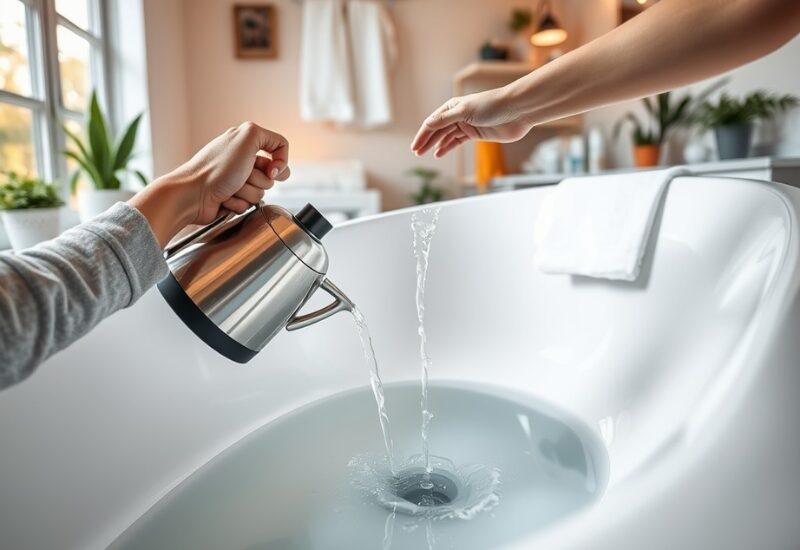
Sometimes, all you need is a kettle of boiling water to dissolve grease and soap residue blocking your pipes. Pour it slowly down the drain in stages for maximum effect.
Use a Drain Snake or Wire Hanger
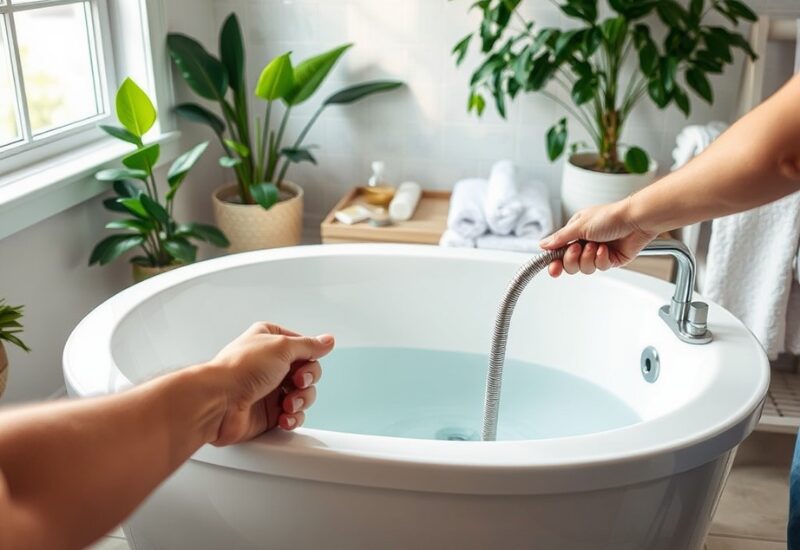
For clogs caused by hair or debris, a plumber’s snake or even a bent wire hanger can help you manually remove blockages from inside the drain.
Wet/Dry Vacuum
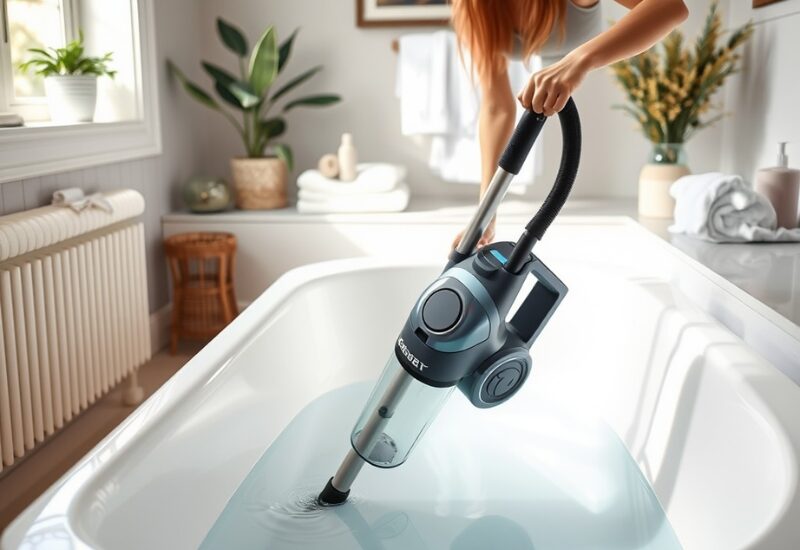
Got a stubborn clog? Try using a wet/dry vacuum to suck out whatever’s causing the blockage. Make sure to seal any overflow openings first to enhance suction.
Chemical Drain Cleaners (Use Sparingly)

If all else fails, you can use chemical cleaners designed for unclogging drains—but proceed with caution! Overuse can damage your pipes over time.
When It’s Time to Call in a Professional
If you’ve tried everything and your bathtub still isn’t draining properly, it might be time to bring in an expert. Here are some conditions to call a professional:
- The clog persists despite multiple DIY attempts.
- Multiple drains in your home are affected simultaneously (a sign of a bigger plumbing issue).
- You notice leaks or suspect pipe damage beneath your tub or behind walls.
- There’s an ongoing sewage smell coming from your bathroom.
Professional plumbers have specialized tools like hydro-jetting equipment and cameras to diagnose and resolve complex drainage problems efficiently.
How to Prevent Future Drainage Issues?
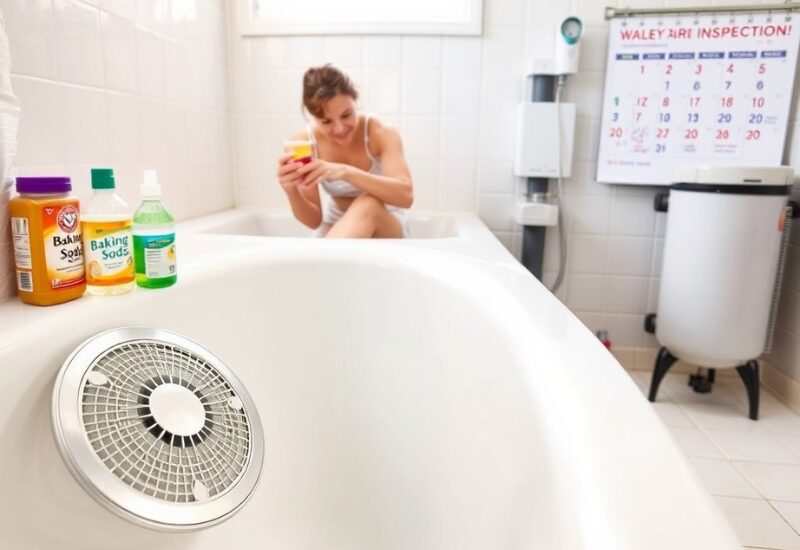
Regular maintenance is one of the most effective ways to prevent a bathtub not draining issue from recurring. Simple habits like removing visible hair after each bath, rinsing the drain with hot water weekly, and using a mild enzymatic cleaner can significantly reduce buildup inside the pipes. Homeowners should also be cautious about what goes down the drain, as even small amounts of soap residue, oils, or debris can gradually accumulate and restrict water flow.
By staying consistent with preventive care, you can avoid most common drainage problems and keep your bathtub running smoothly without the need for frequent repairs or emergency plumbing visits.
Follow these tips to ensure your bathtub drains effortlessly:
Install Drain Covers
A simple mesh drain cover can catch hair and debris before they enter your pipes, saving you heaps of trouble down the line.
Regular Cleaning
Make it a habit to flush your bathtub drain with hot water weekly or use natural cleaners like baking soda and vinegar every month to prevent build-up.
Be Mindful of What Goes Down the Drain
Avoid letting hair, grease, oils, or small objects go down your bathtub drain.
Address Hard Water Issues
If hard water is causing mineral deposits in your pipes, consider installing a water softener system for long-term protection.
Schedule Routine Plumbing Inspections
Especially if you live in an older home, having a plumber inspect your system periodically can help catch potential issues before they become major headaches.
Conclusion
A bathtub that won’t drain is more than just an inconvenience—it’s a problem that can escalate if left unchecked. By understanding common causes like hair build-up, foreign objects, or hard water deposits, you’ll be better equipped to tackle clogs when they arise.
DIY solutions like plunging, using baking soda and vinegar, or manually removing debris often do the trick for minor blockages. However, if you’re dealing with persistent clogs or signs of pipe damage, don’t hesitate to call in a professional plumber. Finally, prevention is key!
So next time when you face a bathtub not draining issue, don’t stress—just follow these tips and get things flowing again!
Apart from that if you want to know about “How to Frost Glass? Highlighting Its Methods, Benefits, Types, And Much More” then please visit our “Bathroom” Category.
FAQs
Pour a mixture of 1 cup baking soda and 1 cup vinegar into the drain, let it fizz for 10 minutes, and flush with hot water. You can also try using a plunger or a drain snake to clear out blockages.
Water flow can be restricted by aging, corroded pipes, or a misaligned or faulty drain stopper. Blocked plumbing vents may also cause slow drainage, even if there’s no visible obstruction.
Clean the faucet aerator to remove sediment, check that the water valve is fully open, and inspect supply lines for kinks or clogs. If needed, replace the faucet cartridge or consider installing a pressure booster.
Slow drainage is usually caused by a buildup of hair, soap residue, or debris inside the drain or pipes.
If left untreated, it can lead to complete blockages, water backups, and potential pipe damage.