

Concrete floor paint can protect a slab while giving garages, basements, patios, and utility spaces a cleaner appearance. The right coating depends on traffic, moisture, sunlight, and the condition of the existing surface. Good preparation matters as much as the product because poor adhesion can cause peeling, bubbling, and early wear.
Quick answer: Choose a coating made specifically for concrete floors and match it to the room’s conditions. Test the slab for moisture before painting. Clean, repair, and profile the surface as required. Apply each coat within the manufacturer’s stated conditions and allow the full curing period before heavy use.
| Decision | Practical Choice | Why It Matters |
|---|---|---|
| Light indoor traffic | Acrylic floor coating | Easy application and cleanup |
| Garage or workshop | Epoxy or garage-floor coating | Better wear and chemical resistance |
| Outdoor patio | UV-resistant exterior floor coating | Handles sunlight and weather exposure |
| Damp basement | Moisture-compatible system after testing | Reduces coating failure risk |
| Smooth concrete | Proper surface profiling | Improves mechanical adhesion |
| Cracked slab | Repair before coating | Prevents weak areas beneath the finish |
What Type of Concrete Floor Paint Should You Choose?
The first decision for concrete floor paint should be based on location and use, rather than color. Garage floors face tires, abrasion, oil, and heavier traffic than most basement floors. Patios face sunlight, rain, temperature changes, and standing water.
Acrylic floor coatings are often easier for homeowners to apply and maintain. Two-part epoxy systems usually offer stronger resistance against abrasion and household chemicals. Exterior surfaces need products specifically approved for outdoor horizontal concrete and ultraviolet exposure.
Housnyst’s existing guide to the best paint for concrete floors compares several coating categories in more detail. It covers epoxy, acrylic, polyurethane, and other finish choices. Use that comparison when you need help narrowing several product types.
Acrylic Versus Epoxy Floor Coatings
| Coating Type | Good For | Main Advantage | Main Limitation |
|---|---|---|---|
| Acrylic floor paint | Basements, utility rooms, lighter traffic | Simple DIY application | Less wear resistance |
| One-part epoxy-acrylic | Residential garages and workshops | Convenient application | Not equal to true two-part epoxy |
| Two-part epoxy | Garages and heavier use | Strong bond and durability | More demanding preparation |
| Exterior floor coating | Porches and patios | Weather and UV resistance | Product must suit horizontal surfaces |
The word “epoxy” on a label does not always mean a two-component resin system. Some products are acrylic coatings fortified or marketed with epoxy characteristics. Check the technical data sheet before comparing durability, mixing requirements, or curing times.
Test the Concrete for Moisture Before Painting
Moisture is one of the most important checks before coating a concrete slab. Water vapor moving through concrete can interfere with adhesion and produce bubbles or peeling. Painting over an unresolved moisture problem can waste both materials and preparation time.
Sherwin-Williams recommends checking interior concrete for moisture before painting. Its residential guidance says moisture content should remain at or below the product’s stated limits. Its professional preparation guidance also describes using a sealed plastic-sheet test to identify damp concrete.
Basements deserve extra attention because groundwater, condensation, drainage problems, and plumbing leaks can affect the slab. If you find recurring dampness, identify the source before applying a coating. Housnyst’s mold removal guide also explains why correcting moisture sources should come before surface repairs.
Prepare the Floor Before You Open the Paint
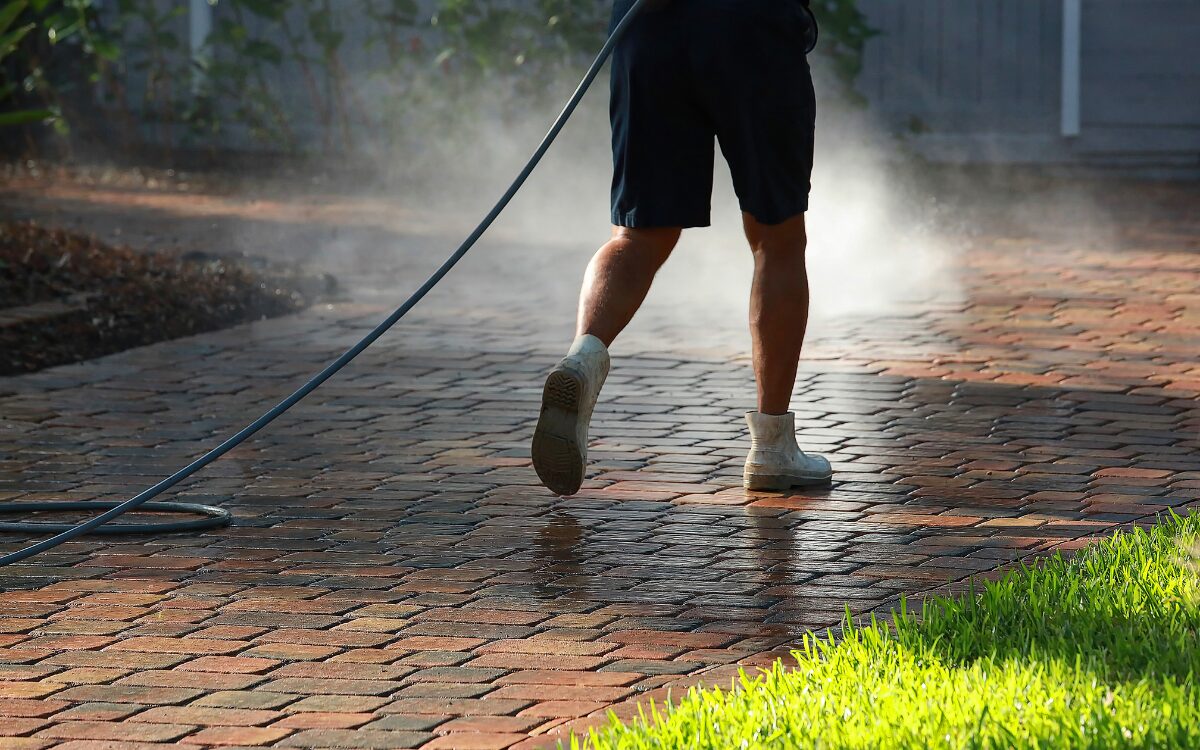
Surface preparation controls how well the coating bonds to the slab. Remove dirt, dust, grease, oil, loose paint, curing compounds, and other contaminants first. A clean floor gives the new coating a better chance of forming a uniform bond.
Repair damaged areas after cleaning so weak concrete does not remain beneath the finish. Small nonstructural defects may accept an appropriate concrete repair product. Large, moving, or recurring cracks can indicate deeper slab or foundation problems.
Don’t hide suspicious structural movement beneath a cosmetic coating. Sloping surfaces, widening cracks, or repeated movement deserve further evaluation before painting. Housnyst’s foundation repair guide outlines several warning signs that can require professional investigation.
Does Concrete Need Etching Before Paint?
Not every slab requires the same profiling method. Some coating manufacturers recommend proprietary etching products for smooth bare concrete. Professional resin-floor systems may instead call for mechanical grinding or shot blasting.
The correct approach depends on the coating system and existing surface. Follow the product’s preparation instructions rather than applying strong acid automatically. Sherwin-Williams notes that some resinous systems should use mechanical preparation instead of acid etching.
A prepared surface should provide enough texture for the coating to grip. Painted surfaces usually require different preparation than bare concrete. Never etch an existing coating unless the manufacturer specifically allows that treatment.
How to Apply Concrete Floor Paint in 7 Steps
A successful floor coating project follows a controlled sequence. Don’t rush because one unfinished preparation step can affect every coat above it. These seven steps provide a practical framework for most residential projects.
- Empty the area completely. Remove furniture, storage, vehicles, mats, and anything blocking the slab.
- Clean and degrease the concrete. Remove oil, dirt, dust, salts, and previous cleaning residue.
- Test for moisture. Stop the project if the slab exceeds the coating manufacturer’s moisture limits.
- Repair and profile the surface. Fill suitable cracks and create the required surface texture.
- Apply primer when specified. Some systems require primer, while other products are designed for direct application.
- Apply the coating evenly. Maintain a wet edge and follow the recommended coverage rate.
- Respect recoat and cure times. Keep people, furniture, and vehicles off the surface until allowed.
Temperature and humidity can change drying and curing behavior. The label should specify acceptable application conditions and recoat windows. Follow those limits instead of relying on a general drying estimate.
Two-part systems also have a limited working period after mixing. Prepare your tools and work area before combining the components. That reduces delays while the activated coating is usable.
Concrete Floor Paint for Garages
Garage floors need more than an attractive color. Tires, tools, road salt, automotive fluids, and repeated traffic place significant stress on coatings. Products intended for garage floors are formulated with these conditions in mind.
Consider hot-tire resistance, chemical resistance, finish texture, and vehicle cure time before buying. A smooth high-gloss coating can become slippery when wet. Add an approved anti-slip additive where the manufacturer permits it.
Avoid parking a vehicle on a coating before its specified cure time. Dry-to-touch time is not the same as full service time. Some systems need several days before supporting vehicles or hot tires.
Concrete Floor Paint for Basements and Laundry Areas
Basement floors usually face less abrasion than garage floors, but moisture may be a larger concern. Test the slab before choosing a coating and correct active water problems first. A water-resistant finish cannot fix drainage or vapor pressure beneath the concrete.
Laundry rooms also benefit from surfaces that tolerate cleaning and occasional spills. Housnyst’s guide to laundry room flooring compares concrete with several alternative flooring materials. That comparison can help if you’re deciding whether paint is the right final surface.
For occupied interior rooms, also consider odor, ventilation, and manufacturer VOC information. Keep the room ventilated according to the label during application and curing. Never assume an indoor product is safe without following its specific instructions.
Concrete Floor Paint for Patios and Outdoor Areas
Outdoor floors need coatings approved for exterior horizontal concrete. Sunlight, rain, freeze-thaw cycles, and temperature changes can challenge products intended only for interior use. Check exterior-use approval before choosing a color or sheen.
Texture also matters because patios can become slippery after rain. A coating designed for walking surfaces may offer traction or accept an approved additive. Consider how the patio connects with landscaping, drainage, and surrounding materials.
If you’re updating a larger backyard, Housnyst’s landscaping ideas guide includes concrete patios among its outdoor planning options. Coordinate floor color with nearby walls, furniture, stone, and planting areas. A consistent material palette usually produces a cleaner finished space.
Why Does Paint Peel From Concrete Floors?
Peeling often starts with a problem beneath the visible coating. Common causes include trapped moisture, oil contamination, weak concrete, poor surface profiling, or incompatible previous coatings. Applying a good product cannot compensate for a poorly prepared substrate.
Hot tires can also stress garage coatings that lack suitable resistance. Outdoor coatings may deteriorate when a product lacks ultraviolet or weather resistance. Heavy use before full curing can damage a coating before it develops its intended strength.
If an old finish is already peeling, remove every loose section before repainting. Firmly bonded glossy areas usually need cleaning and abrasion before recoating. Check the new product’s compatibility with whatever coating remains.
How to Maintain a Painted Concrete Floor
Routine cleaning protects the finish from abrasive grit and staining. Sweep or vacuum loose debris before washing the floor with compatible cleaners. Remove oil or chemical spills promptly, especially in garages and workshops.
Avoid harsh cleaning products unless the coating manufacturer approves them. Strong solvents or concentrated chemicals can dull or soften some finishes. Test unfamiliar cleaners in a hidden area before treating the entire floor.
Inspect high-traffic areas periodically for scratches, wear, or small adhesion failures. Early touch-ups can prevent damaged sections from spreading. Keep leftover labeled coating only when the manufacturer permits storage after opening or mixing.
Get the Best Result From Your Floor Coating
A durable result begins with the slab, not the paint can. Check moisture, remove contamination, repair suitable defects, and create the required surface profile. Then choose a product built for the traffic and exposure your room receives.
Don’t choose based on color alone because coating chemistry affects performance and preparation. Read the complete technical instructions before buying tools or starting surface work. Careful preparation usually saves more time than repairing a failed coating later.
For more product-specific comparisons, continue with Housnyst’s guide to choosing the best paint for concrete floors. Compare the recommended coating types against your room’s moisture, traffic, sunlight, and maintenance needs. Then follow the selected manufacturer’s instructions from preparation through final cure.
Frequently Asked Questions
What kind of paint is best for a concrete floor?
The best choice depends on traffic, moisture, and exposure. Acrylic systems can suit lighter residential use, while epoxy systems can handle harder service. Outdoor areas need coatings specifically approved for exterior horizontal concrete.
Do I need to prime concrete before painting?
Some products require a separate primer, while other systems are designed for direct application. The concrete’s condition can also affect that requirement. Follow the exact primer instructions provided by the coating manufacturer.
Can I paint directly over old concrete paint?
You can sometimes recoat sound existing paint after cleaning and proper abrasion. Loose, peeling, or incompatible coatings must be removed before repainting. Always check whether the new product can bond to the existing finish.
How long should concrete dry before applying concrete floor paint?
Drying requirements depend on slab moisture and the product specification. Newly poured concrete commonly requires an extended curing period before many coatings can be applied. Existing concrete should also pass the coating manufacturer’s moisture requirements before application.
Can concrete floor coatings stop basement moisture?
A decorative floor coating should not be treated as a repair for active water intrusion. Moisture pressure can still push through the slab and damage the finish. Find and correct the source before applying a standard coating.