


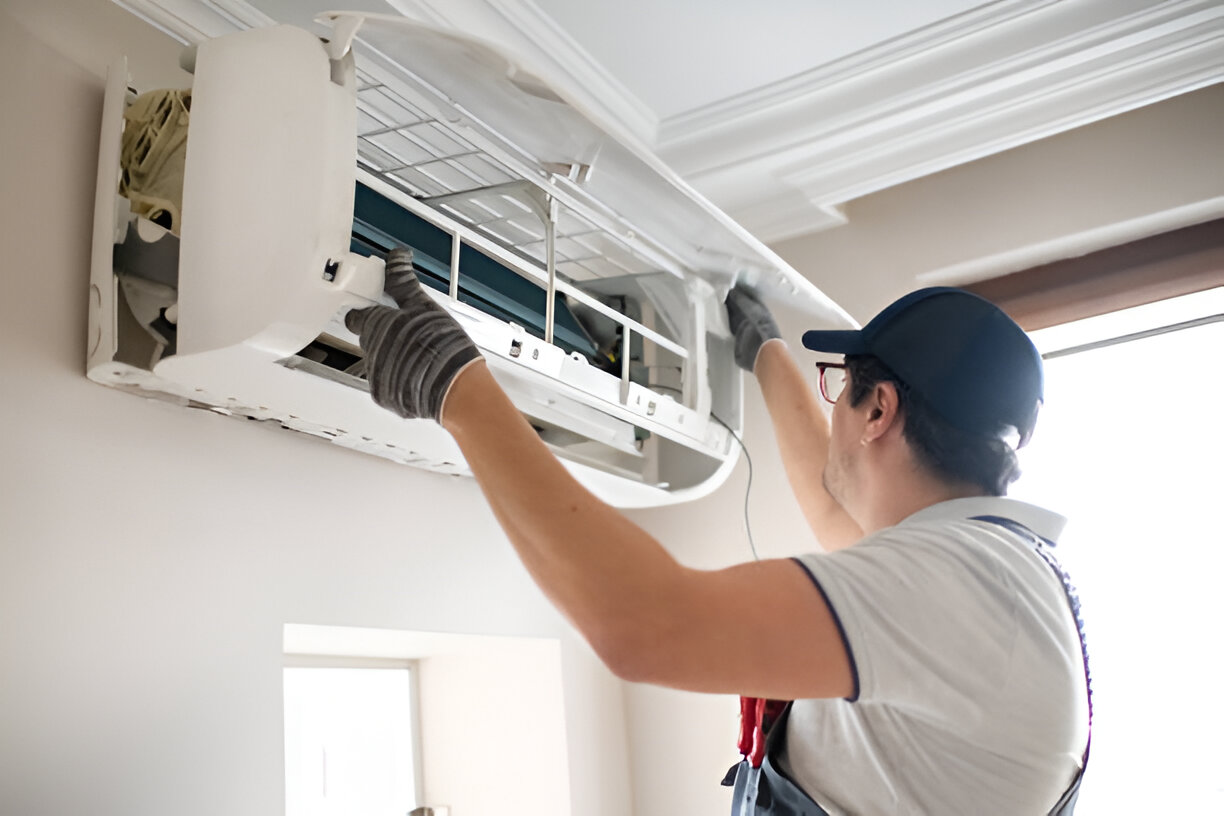
An air conditioning system rarely fails without warning. Strange noises, weak airflow, rising energy bills, and inconsistent cooling often signal deeper problems that demand immediate attention. Ignoring these early signs can lead to expensive breakdowns, poor indoor comfort, and reduced energy efficiency. This guide explains the most common warning signs homeowners should never overlook, along with practical insights into why fast action matters. Understanding these issues early can help protect your home, comfort, and long-term cooling performance.
Air conditioning systems play a major role in maintaining indoor comfort, especially during periods of extreme heat and humidity. Most homeowners expect their AC unit to operate quietly and efficiently without interruption. However, every cooling system eventually develops problems that require professional inspection and repair. The key is recognizing those warning signs before a minor issue becomes a major and expensive breakdown.
Many people ignore early symptoms because the system still appears to be working. Unfortunately, hidden mechanical or electrical issues can continue worsening beneath the surface. Delayed repairs often reduce efficiency, increase utility costs, shorten equipment lifespan, and create uncomfortable indoor conditions.
Rising Energy Bills Without Explanation
A sudden increase in electricity costs often indicates declining HVAC efficiency. Air conditioners consume more energy when internal components struggle to perform correctly.
Several hidden issues can reduce system efficiency, including:
- Dirty coils
- Refrigerant leaks
- Faulty capacitors
- Aging components
- Airflow restrictions
- Thermostat calibration problems
When cooling systems operate inefficiently, they run longer cycles to achieve the same results. Consequently, homeowners experience higher utility bills without improved comfort.
Professional maintenance helps restore efficiency and reduce unnecessary operating costs. Many homeowners consult experienced AC repair experts when unexplained energy spikes continue despite normal usage habits and regular thermostat adjustments.
Weak Airflow Throughout the Home
Poor airflow is one of the clearest signs that something is wrong with an air conditioning system. If certain rooms feel warmer than others or airflow from vents seems weak, the system may be struggling to distribute cooled air properly.
Several issues can cause restricted airflow, including:
- Clogged air filters
- Blocked ductwork
- Failing blower motors
- Frozen evaporator coils
- Damaged fan components
Weak airflow forces the system to work harder to maintain the desired temperature. As a result, energy consumption increases while cooling performance declines. Over time, this additional strain can lead to serious mechanical failure.
Replacing filters regularly may solve minor airflow problems. However, persistent airflow issues usually require professional diagnosis to identify the root cause.
Warm Air Coming From Vents
An air conditioner should consistently deliver cool air. If warm or room-temperature air begins to flow from the vents, an immediate inspection is necessary.
This problem may be linked to:
- Refrigerant leaks
- Compressor failure
- Thermostat malfunctions
- Electrical problems
- Dirty condenser coils
Warm airflow often indicates that the cooling cycle is no longer functioning properly. Continuing to run the system in this condition may worsen internal damage and increase repair costs.
In some cases, homeowners mistakenly assume the thermostat settings are incorrect. While checking the thermostat is important, recurring warm airflow usually signals a deeper issue that should not be ignored.
Strange Noises During Operation
Modern air conditioning systems are designed to operate relatively quietly. Unusual sounds often indicate internal wear, loose components, or failing parts.
Common warning noises include:
Banging or Clanking
These sounds may indicate loose or broken internal components such as connecting rods, pistons, or fan blades.
Grinding
Grinding noises often point to motor bearing problems. Ignoring this issue can eventually destroy the motor completely.
Screeching
High-pitched screeching may signal belt problems or motor issues that require immediate servicing.
Buzzing
Buzzing sounds can result from electrical faults, loose wiring, or failing compressors.
Unusual sounds rarely disappear on their own. Early repairs can prevent extensive system damage and improve long-term reliability.
Frequent Cycling On and Off
Short cycling occurs when an air conditioning system turns on and off repeatedly without completing a full cooling cycle. This issue places excessive stress on the compressor and other major components.
Frequent cycling may result from:
- Oversized AC units
- Refrigerant problems
- Dirty filters
- Thermostat placement issues
- Electrical malfunctions
- Frozen evaporator coils
Short cycling reduces efficiency and increases wear on expensive components. It also prevents the system from properly removing humidity from indoor air.
If the system constantly starts and stops throughout the day, professional attention is necessary before further damage develops.
Excess Indoor Humidity
Air conditioners do more than cool the air. They also help regulate indoor humidity levels. If your home suddenly feels damp, sticky, or excessively humid, the cooling system may not be functioning properly.
Poor humidity control can lead to:
- Mold growth
- Musty odours
- Condensation issues
- Reduced comfort
- Indoor air quality concerns
Humidity problems often occur when evaporator coils malfunction or the system struggles to complete full cooling cycles. Refrigerant issues may also contribute to poor moisture removal.
Persistent indoor humidity should never be ignored, especially during warmer seasons.
Water Leaks Around the Unit
Small amounts of condensation are normal during air conditioner operation. However, visible water pooling around the indoor unit is a serious warning sign.
Possible causes include:
- Blocked condensate drain lines
- Cracked drain pans
- Frozen evaporator coils
- Pump failures
Water leaks can damage flooring, walls, ceilings, and surrounding structures if left unresolved. Moisture problems also increase the risk of mold growth inside the home.
In some situations, refrigerant leaks may appear similar to water leaks. Because refrigerant exposure can present health risks, professional inspection is important whenever unexplained fluid appears near the system.
Unpleasant Odors From Vents
Strange smells coming from air vents often indicate contamination or electrical issues inside the HVAC system.
Musty Smells
These typically indicate Mold or mildew growth in the ductwork or evaporator coils.
Burning Odours
Burning smells may indicate overheating electrical components, wiring issues, or motor failure.
Chemical Smells
Chemical-like odors can point to refrigerant leaks or damaged system components.
Unpleasant odors should never be dismissed as temporary inconveniences. Fast action helps prevent larger safety and indoor air quality concerns.
Frozen Evaporator Coils
Frozen coils are a common but serious air conditioning problem. Ice accumulation prevents the system from cooling effectively and often signals underlying airflow or refrigerant issues.
Signs of frozen coils include:
- Reduced cooling
- Ice buildup on refrigerant lines
- Water leakage after thawing
- Weak airflow
- Longer cooling cycles
Several conditions may trigger coil freezing, including dirty filters, blocked vents, low refrigerant levels, or blower motor failure.
Turning off the system temporarily may allow the ice to melt, but professional repairs are usually necessary to prevent recurrence.
Thermostat Problems Affecting Performance
Sometimes the air conditioning system itself is not the only issue. Faulty thermostats can create serious cooling inconsistencies throughout the home.
Signs of thermostat trouble include:
- Incorrect temperature readings
- Delayed system response
- Constant cycling
- Inconsistent cooling
- Blank thermostat displays
Modern programmable thermostats improve comfort and energy efficiency, but malfunctioning sensors or wiring can entirely disrupt system communication.
Professional testing helps determine whether the thermostat or the HVAC equipment is causing the issue.
Why Immediate Repairs Matter
Ignoring AC warning signs often leads to more expensive consequences later. Small issues rarely stay small for long. What begins as a clogged filter or minor refrigerant leak can eventually damage major components such as compressors, motors, or electrical systems.
Prompt repairs provide several important benefits:
- Professional AC repair services
- Improved energy efficiency
- Better indoor comfort
- Longer equipment lifespan
- Reduced risk of emergency breakdowns
- Improved indoor air quality
Routine maintenance also helps identify hidden problems before they become severe. Seasonal inspections remain one of the most effective ways to protect long-term HVAC performance.
Conclusion
Air conditioning systems usually provide multiple warning signs before a major failure occurs. Weak airflow, unusual noises, rising energy bills, humidity problems, warm air, and water leaks all indicate that immediate attention may be necessary. Acting quickly can prevent expensive repairs, reduce energy waste, and improve overall indoor comfort. Homeowners who recognize these symptoms early are far more likely to avoid emergency breakdowns during periods of extreme heat. Regular maintenance, prompt inspections, and professional servicing remain essential for keeping air conditioning systems reliable, efficient, and safe throughout the year.
Apart from that, if you want to know about Cleaning Frequency Optimization then please visit our Home Appliances category.