

In Waukesha, a successful painting job must withstand more than changing design preferences. Exterior surfaces face freezing winters, snow, spring moisture, summer humidity, ultraviolet exposure, and repeated expansion and contraction throughout the year. When paint begins to peel, crack, blister, or fade, the problem is often deeper than the coating itself.
Surface condition, moisture, the type of material being painted, and project timing all affect how long the finish lasts.
That is why painting a Waukesha home, or commercial property should begin with an evaluation, not simply a color selection. Whether you are comparing Waukesha painters for a residential project or researching exterior painting in Waukesha for a commercial building, understanding the causes of paint failure can help you make a better decision.
The Real Reason Paint Fails
Painting is a protective coating, but it cannot correct a damaged or poorly prepared surface. If moisture is trapped beneath the coating, loose paint remains on the substrate, or bare wood is left unprimed, even a high-quality product may fail prematurely.
Common causes of exterior paint failure include:
- Moisture entering through damaged caulking or joints
- Painting over dirt, chalk, mildew, or loose coating
- Bare wood that was not properly primed
- Applying paint during unsuitable temperature or humidity conditions
- Repeated freeze-thaw movement
- Excessive sun exposure
- Deteriorated siding, trim, or other substrates
- Using a coating that is not appropriate for the surface
A new coat can temporarily hide some of these issues, but it will not eliminate them. Proper preparation is what allows paint to bond, cure, and protect the surface as intended.
This is one reason experienced Waukesha painters focus on preparation before discussing colors or finishes. The coating system must be compatible with the surface and the conditions it will face.
Why Wisconsin Weather Matters
Waukesha properties experience significant seasonal changes. Exterior materials expand in warm weather and contract in cold conditions. Moisture can enter small cracks, seams, and exposed areas, then freeze and expand during winter. Over time, this movement can place stress on both the substrate and the paint film.
Summer creates a different set of challenges. Heat, humidity, and ultraviolet exposure can cause colors to fade and coatings to lose flexibility. Surfaces that receive direct afternoon sun may age faster than shaded areas of the same building.
These conditions do not mean exterior painting is impossible in Wisconsin. They do mean that the project must be scheduled carefully and completed under suitable conditions. Temperature, surface temperature, dew, rain, humidity, and the forecast after application can all affect how a coating performs.
A professional contractor should evaluate more than the air temperature before beginning work. Surface moisture and overnight dew can also affect adhesion and curing. Product manufacturers may specify different application ranges, so the recommended conditions depend on the coating being used.
For property owners researching exterior painting in Waukesha, seasonal timing is therefore only one part of the decision. The condition of the surface and the weather during the application and curing period are equally important.
Preparation Determines the Finish
The most visible part of a painting project is the final color, but much of the quality is determined before the first coat is applied.
A thorough exterior preparation process may include:
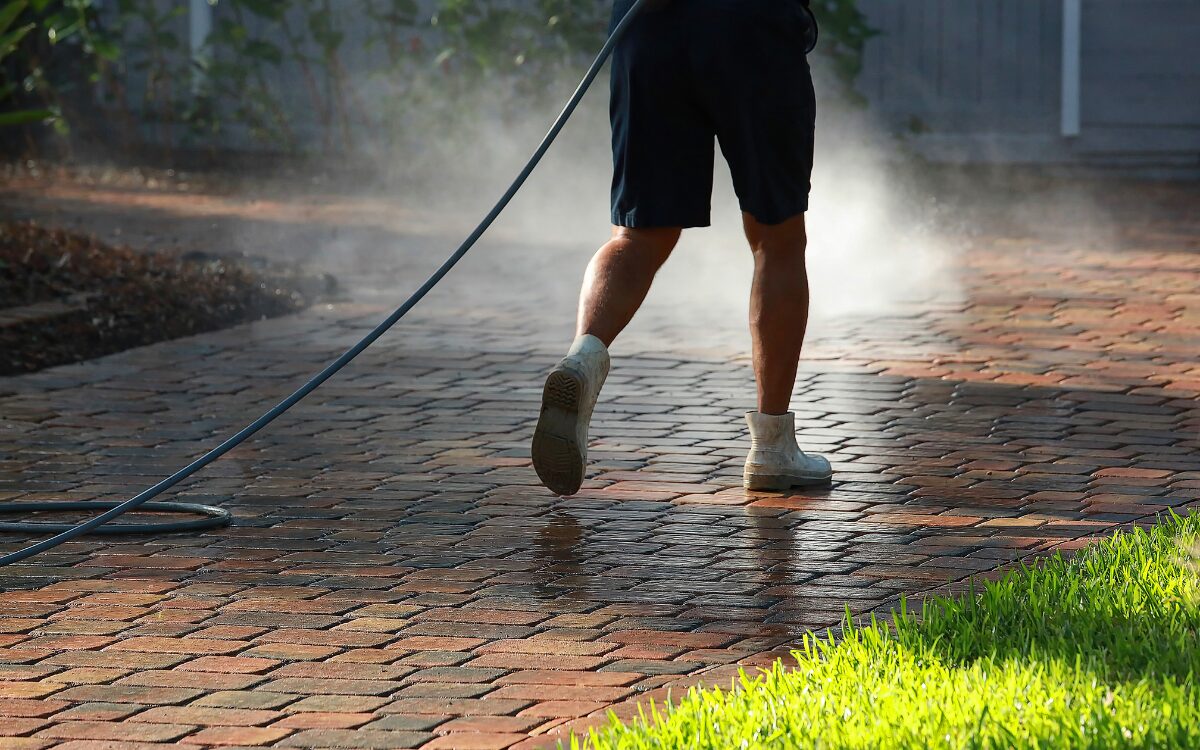
- Washing away dirt, pollen, chalk, and surface contaminants.
- Removing loose, peeling, or blistered paint.
- Scraping and sanding rough edges.
- Inspecting siding, trim, fascia, doors, and other surfaces for damage.
- Replacing or repairing deteriorated wood where necessary.
- Treating mildew or other biological growth appropriately.
- Replacing failed caulking around windows, doors, and joints.
- Priming exposed or repaired areas.
- Protecting landscaping, walkways, windows, fixtures, and surrounding property.
- Applying the finish coat only after the surface is clean and properly prepared.
The goal is not to make the project take longer. The goal is to prevent the new coating from inheriting the weaknesses of the old one.
Painting over peeling areas, for example, usually leaves visible ridges and creates a weak bond. Painting damp wood can trap moisture beneath the coating. Ignoring failed caulking can allow water to continue entering after the project is complete.
When comparing Waukesha painters, property owners should ask exactly what preparation is included. A proposal that lists only paint and labor may not provide the same long-term value as one that clearly explains cleaning, scraping, repairs, caulking, priming, protection, and cleanup.
Exterior Painting Should Begin with a Surface Assessment
Different exterior materials require different approaches. Wood siding, fiber cement, vinyl, aluminum, masonry, and previously painted trim do not all respond to the same preparation methods or products.
Before recommending a coating system, a painter should consider:
- The existing surface material
- The condition of the current finish
- Whether the surface is chalking or peeling
- The amount of direct sunlight it receives
- Previous moisture problems
- The condition of joints and caulking
- Whether repairs are needed
- The desired appearance and level of durability
This assessment is especially important for older Waukesha homes, where multiple layers of paint, aging wood, previous repairs, or moisture-related deterioration may be present.
Exterior painting can refresh siding, trim, shutters, doors, garages, porches, and other features, but the best result comes from treating each surface according to its condition rather than applying the same process everywhere.
A professional exterior painting contractor should also identify areas where painting alone may not be enough. Soft wood, damaged siding, persistent leaks, and deteriorated trim may require repairs before coating work begins.
Interior Painting Is Also a Preparation Project
Interior painting is less exposed to weather, but it still requires more than rolling color onto a wall.
Daily use can leave behind scuffs, dents, nail holes, stains, grease, and uneven patches. Older homes may also have layers of incompatible coatings or surfaces that require special attention before repainting.
A professional interior project may involve:
- Repairing holes and cracks
- Sanding rough or glossy areas
- Cleaning walls affected by grease or residue
- Priming stains or repaired sections
- Protecting floors, furniture, cabinets, and fixtures
- Removing loose caulk and replacing it where needed
- Creating clean lines around trim, ceilings, windows, and doors
- Applying the correct number of coats for consistent coverage
Color can change how a room feels, but preparation determines whether the finished walls look smooth and intentional. For a closer look, see What to Look for in Bamboo Bedding.
Interior painting is often a practical way to update a property before selling, after a renovation, between tenants, or when a room no longer suits its purpose. It can also help unify spaces that have been painted at different times with mismatched colors or finishes.
When evaluating Waukesha painters for interior work, ask whether wall repairs, stain blocking, trim preparation, furniture protection, and cleanup are included. These details can have a major effect on the final appearance.
Residential Painting: Look Beyond the Color
Homeowners often begin a painting project by choosing a color. That is understandable, but the condition of the property should come first.
Before repainting, homeowners should look for:
- Peeling or bubbling paint
- Exposed wood
- Soft or deteriorated trim
- Cracks around windows and doors
- Failed caulking
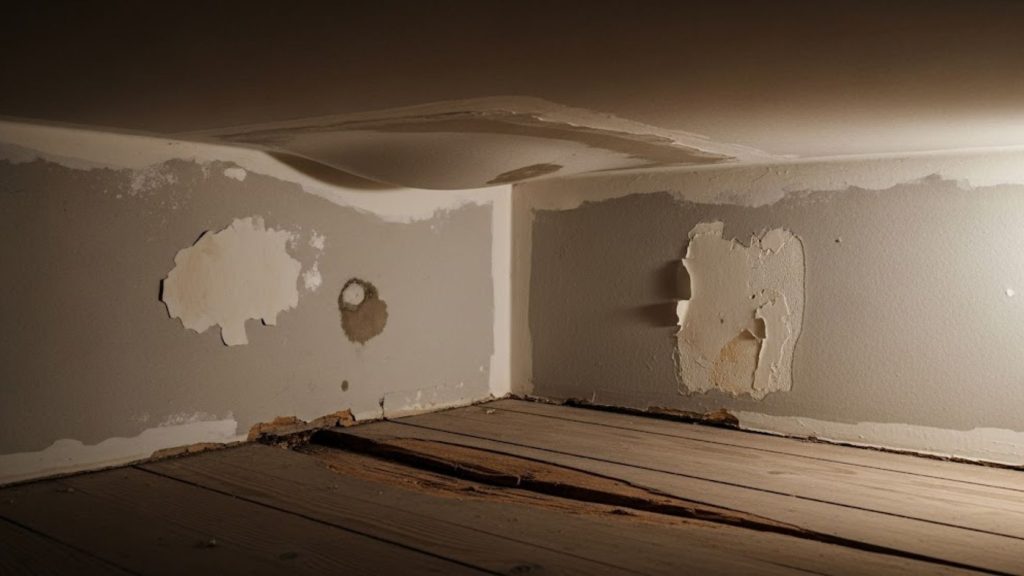
- Water stains
- Mildew or recurring discoloration
- Faded or chalky siding
- Interior walls with dents, stains, or patchwork repairs
These signs may indicate that the project requires repairs or additional preparation. A contractor who identifies those issues before painting can provide a more accurate estimate and reduce the likelihood of unexpected work later.
For homeowners in Waukesha, Pewaukee, Brookfield, New Berlin, Delafield, and nearby communities, a well-planned residential painting project can improve appearance while addressing maintenance concerns that might otherwise be overlooked.
A professional residential painter can also help determine whether the existing finish should be refreshed, fully removed in certain areas, or repaired before repainting. The right approach depends on the surface condition, material, previous coating, and desired result.
Commercial Painting Requires More Than a Good Finish
Commercial painting projects must account for how the building operates. A retail store, office, restaurant, rental property, warehouse, and multi-unit building may each require a different schedule and workflow.
Important considerations include:
- Whether work can be completed during business hours
- How customers, tenants, and employees will move through the property
- Which areas need to remain accessible
- Whether the project should be divided into phases
- How equipment and materials will be stored
- How odors, dust, and noise will be managed
- Whether exterior work requires coordination with landscaping or parking areas
- How the finished colors will support the property’s identity
A commercial contractor should be able to explain the sequence of work, expected disruptions, protection measures, and completion schedule before the project begins.
For property managers and business owners, planning is often just as important as application quality. A well-organized project can reduce downtime and help the property continue operating safely. There is more on this in The Infrastructure Model of Ambassadori Island.
Businesses researching commercial painting in Waukesha should also ask whether the contractor has experience working around tenants, customers, employees, equipment, and operating schedules. Commercial painting is not simply a larger residential project; it often requires more detailed coordination and communication.
Signs It May Be Time to Repaint
Paint does not always need to be replaced because it looks slightly dated. However, visible deterioration should not be ignored.
Exterior signs
Consider scheduling an evaluation if you notice:
- Peeling, cracking, or blistering
- Fading or uneven color
- Chalky residue on the surface
- Exposed or splitting wood
- Repeated staining
- Failed caulking
- Paint separating around windows and doors
- Areas that remain damp or deteriorate faster than the rest of the building
Interior signs
Inside, repainting may be worthwhile when you see:
- Persistent scuffs and marks
- Cracks or visible patching
- Stains that have been properly addressed but still show through
- Peeling or damaged paint
- Worn trim and doors
- Inconsistent colors between rooms
- A finish that no longer suits the property’s use
- Walls that make the space appear darker or less maintained
Early attention can make the project more manageable. Waiting until paint has failed extensively may increase the amount of scraping, repair, priming, and substrate replacement required.
Questions to Ask Before Hiring a Painter
A low estimate is not always the best value if it excludes the preparation needed for a durable result. Before choosing a contractor, property owners should ask specific questions about the work.
Useful questions include:
- What condition are the surfaces in?
- What preparation is included in the estimate?
- Will peeling paint be removed or simply covered?
- Are repairs and caulking included?
- Which areas will be primed?
- What products are recommended for the existing surface?
- How will moisture and weather conditions affect scheduling?
- How will floors, landscaping, furniture, windows, and fixtures be protected?
- How many coats are included?
- What happens if additional damage is discovered?
- Has the contractor completed similar residential or commercial projects?
A detailed proposal should describe the scope of work clearly. It should identify preparation, repairs, materials, application, protection, cleanup, and scheduling rather than listing only the number of gallons or coats.
Property owners should also verify that the contractor understands the specific requirements of the surface being painted. A company experienced with interior walls may not have the same expertise in exterior siding, masonry, wood trim, or commercial facilities.
Why Local Experience Is Useful
A local painting company is familiar with the practical conditions that affect properties in southeastern Wisconsin. That includes seasonal scheduling, common building materials, weather-related surface problems, and the preparation older homes and commercial buildings may require.
Local service also makes communication easier. Property owners can discuss concerns in person, review the scope of work, and address changes before they become misunderstandings.
Stateline Painting provides interior and exterior painting services for residential and commercial properties in Waukesha and surrounding communities. Its work can include surface preparation, repairs, priming, interior updates, exterior repainting, and commercial project coordination.
For homeowners searching for Waukesha painters or businesses looking for commercial painting in Waukesha, the important question is not simply whether a contractor can apply paint. It is whether the contractor can identify what the surface needs before painting begins.
A Better Painting Project Starts Before the Paint
A successful painting project is not defined only by a fresh color on the wall or siding. It is defined by how well the coating bonds, how cleanly the work is completed, how thoroughly the surface was prepared, and how effectively the finished result suits the property.
For Waukesha homeowners and business owners, the most useful approach is to treat painting as both an appearance upgrade and a maintenance decision.
If your property has peeling paint, exposed wood, failed caulking, fading, stains, or worn interior surfaces, begin with an evaluation. Identifying the cause of the problem before choosing a color can help prevent repeated repairs and produce a finish that looks better for longer. We have a separate guide to Best Full Size Down Comforter Picks For a Cozier Better Nights Sleep.
Whether you need interior painting, exterior painting in Waukesha, residential painting, or commercial painting, Stateline Painting can help property owners assess their needs and develop a project plan based on the building’s surfaces, condition, use, and location.