

Introduction to Wood Floor Wax
Wood floor wax is a vital component in the maintenance and enhancement of hardwood floors, offering both aesthetic and protective benefits. The various types of wood floor wax include solid paste, liquid wax, and hard wax oil, each suited for different surfaces and finishes.
The application process involves careful preparation, from cleaning and repairing the floor to using the appropriate tools for applying and buffing the wax. Regular maintenance, such as re-waxing and routine cleaning, ensures that your floors remain in pristine condition.
However, it’s important to note that not all floors are suitable for waxing; engineered hardwood, laminate, and certain other materials should be avoided. Essential tools like wax removers, repair kits, applicators, and cleaners play a crucial role in maintaining the integrity of your waxed floors.
Wood floor wax plays an important role in both protecting and enhancing hardwood flooring, making it a popular choice for homeowners who want long-lasting shine and durability. It creates a protective layer that helps guard against scratches, moisture, and daily wear while also enriching the natural beauty of the wood grain. Depending on the type used—whether solid paste, liquid, or hard wax oil—it can offer different levels of finish and maintenance requirements.
When applied correctly and maintained regularly, wood floor wax not only improves the appearance of floors but also extends their lifespan, making it a practical solution for preserving interior flooring in both traditional and modern homes.
Types of Wood Floor Wax

Understanding the different types of wood floor wax is crucial for selecting the right product for your needs.
| Feature | Solid Paste Wax | Liquid Wax | Hard Wax Oil |
| Consistency | Thick, fewer coats needed | Thin, requires multiple coats | Medium, combines wax and oil |
| Application Method | Hand-applied with a cloth | Applied with a mop or rag | Applied with a brush or cloth |
| Ideal Surfaces | Unvarnished hardwood, linoleum, unfinished cork, concrete | Unvarnished hardwood and similar surfaces | High-wear areas |
| Not Suitable For | No-wax, vinyl, urethane-finished floors | No-wax, urethane-finished floors | Floors that require a high-gloss finish |
| Aesthetic Enhancement | Provides a natural sheen and can enhance wood grain | Offers a subtle shine | Maintains wood’s natural appearance while adding durability |
Solid Paste Wax
Known for its thick consistency, solid paste wax requires fewer coats than its liquid counterpart. It is hand-applied with a cloth and is ideal for unvarnished hardwood floors, true linoleum, unfinished cork, and concrete. However, it should not be used on no-wax, vinyl, or urethane-finished floors.
Liquid Wax
Liquid wax, with its thin consistency, is easy to apply via mop but needs multiple coats for best results. It is suitable for unvarnished hardwood and similar surfaces but not recommended for no-wax or urethane finishes.
Hard Wax Oil
This product combines wax and oil to enhance durability, making it ideal for high-wear areas. It provides a robust finish that withstands heavy foot traffic while maintaining the wood’s natural appearance.
Application Process
Proper application of wood floor wax is essential for achieving optimal results.
Materials
To apply wood floor wax effectively, you’ll need the following materials:
- Wax Type: Choose between solid paste wax or liquid wax, depending on your floor type.
- Applicators: Use a lambswool applicator, natural bristle brush, or lint-free cloths for even application.
- Buffers: A buffing machine or hand-held buffer with appropriate pads (white or steel wool) will be needed for buffing.
- Cleaning Supplies: Vacuum or broom for initial cleaning and a damp cloth for wiping down surfaces.
Preparation
Proper preparation ensures the wax adheres well and provides a smooth finish:
- Vacuum or sweep to remove all dust and debris.
- Fix cracks and scratches, sanding rough areas to create a smooth surface.
- Keep the room well-ventilated and at a temperature above 12°C to ensure even drying of the wax.
How to Apply Wood Floor Wax
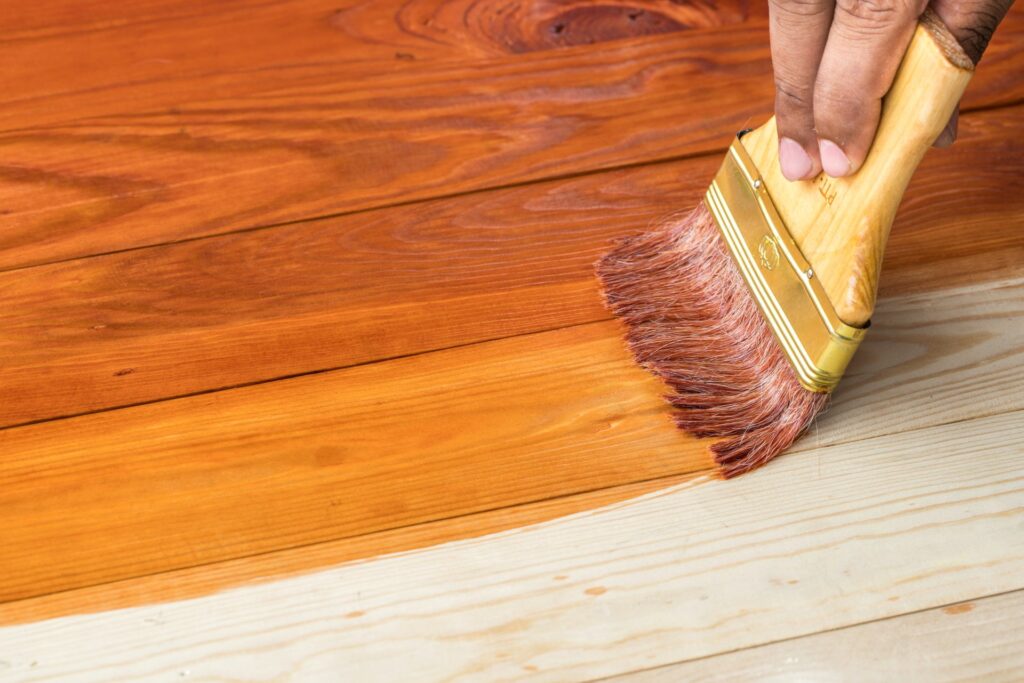
Depending on the type of wax chosen, you will need specific tools such as cloths, mops, or buffers. Follow a step-by-step guide:
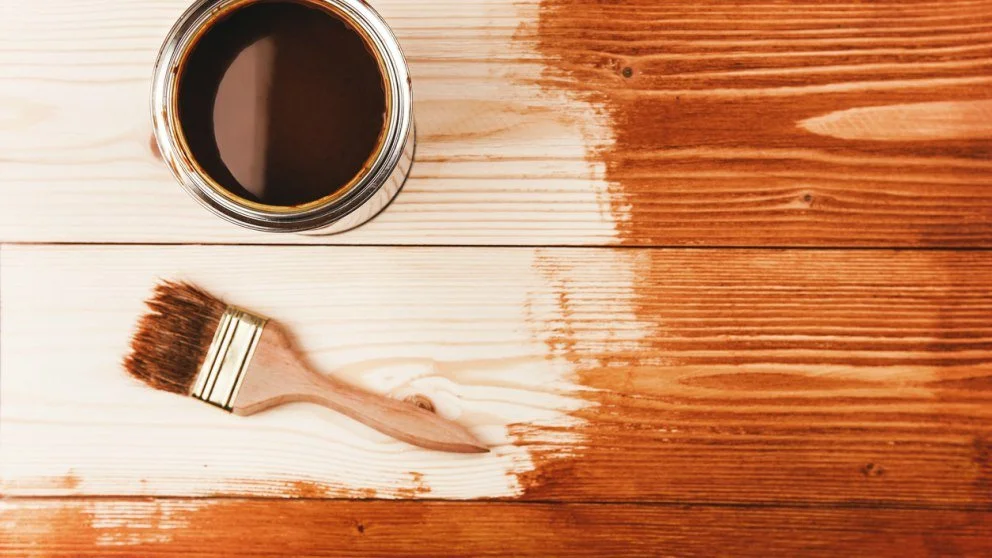
- For solid paste wax, use cheesecloth or a terrycloth rag to rub the wax onto the floor in small sections.
- For liquid wax, pour it onto the floor and spread it with a mop or rag.
- Apply wax along the wood grain to achieve smooth, even coverage and avoid unsightly streaks.
- Let each coat dry completely before layering the next for a flawless finish.
- his ensures you don’t step on freshly buffed areas.Solid paste wax typically requires fewer coats than liquid wax due to its thicker consistency.
Buffing for Finish
Buffing is crucial for achieving a glossy finish. Use a clean towel or an electric polisher to buff the surface once the wax has dried. Work in small sections (about 2-foot squares). Start from one corner of the room and move toward an exit. This prevents you from accidentally walking on freshly buffed surfaces.
Benefits of Using Wood Floor Wax
The advantages of using wood floor wax are multifaceted:
- Aesthetic Enhancement: Wood floor wax provides a natural sheen that enhances the wood grain. It can also be mixed with stains to achieve deeper tones, adding depth and character to your floors.
- Protection Against Damage: By forming a protective barrier, wood floor wax shields against scratches, scuffs, and moisture. It prevents dirt and allergens from embedding in the wood, preserving its integrity over time.
- Ease of Maintenance: The smooth surface created by waxing simplifies cleaning efforts. Dust and debris are less likely to adhere to the floor, reducing the need for frequent cleaning.
Maintenance of Waxed Hardwood Floors
Maintaining your waxed hardwood floors involves regular care and attention:
Regular Re-Waxing
Follow the manufacturer’s recommendations for re-waxing intervals—typically every 1-2 years for liquid wax and 2-5 years for solid wax.
Avoiding Wax Buildup
Ensure old wax is worn off before applying new layers to prevent unsightly buildup.
Routine Cleaning
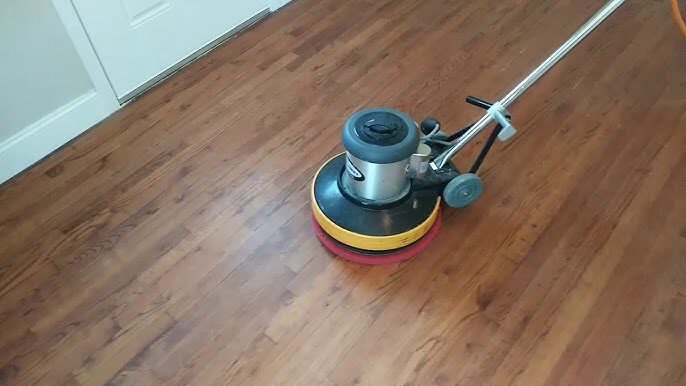
Dry-mop weekly with microfiber cloths and avoid wet-mopping large areas. Quickly address spills to avoid potential damage.
Special Considerations
While wood floor wax offers numerous benefits, there are some considerations to keep in mind:
- Durability Compared to Other Finishes: Compared to polyurethane finishes, wax may not be ideal in high-moisture areas due to its susceptibility to water damage.
- Floors That Should Not Be Waxed: Avoid waxing engineered hardwood, wood laminate, bamboo, natural stone, luxury vinyl tile (LVT), and ceramic tile, as these materials have finishes or properties that do not interact well with wax.
Why Vintage Wooden High Chairs Continue to Appeal in Modern Homes
Vintage wooden high chairs remain a timeless choice for families and collectors alike because they combine durability, classic design, and nostalgic charm that newer plastic or metal models often lack. Crafted from solid wood and often featuring traditional joinery, these high chairs were built to withstand years of use while adding a warm, heirloom quality to a home’s interior. Their design also reflects a period-specific aesthetic that complements both antique and modern décor, making them versatile pieces for kitchens, dining rooms, or open family spaces. For many, choosing a vintage wooden high chair is not just a practical decision but also a way to incorporate character and history into everyday life, giving a sense of continuity between generations.
Tools and Accessories
Several tools and accessories can assist in maintaining your wood floors:
- Wood Floor Wax Remover: Products like Quick Shine Deep Cleaner/Wax Remover dissolve and remove old wax without harming the wood. Dilute with water, apply with a damp mop, let sit, scrub gently, then rinse and dry.
- Wood Floor Wax Repair Kits: Kits such as Osmo and Edding 8902 include colored wax sticks for fixing scratches and dents. Melt the wax into the damaged area, match the floor’s color, let it cool, and smooth it out for seamless repairs
- Wood Floor Wax Applicators: Specialized tools like lambswool pads and synthetic rollers ensure even wax application across large surfaces. Brands like Padco and Bona offer applicators for various wax types.
- Wood Floor Wax Cleaners: Non-abrasive, pH-balanced cleaners like Bona Hardwood Floor Cleaner maintain wax finishes by removing dirt without residue. They enhance shine and shield surfaces from scratches.
Conclusion
In conclusion, wood floor wax remains an invaluable tool in preserving the beauty and longevity of hardwood floors. By understanding the types of wax available and following proper application and maintenance techniques, you can enjoy stunning floors.
Whether you’re using solid paste or liquid options, regular care will ensure your floors remain beautiful for years to come—making them a worthwhile investment in both style and durability.
Apart from that if you want to know about “” then please visit our “Cleaning” Category.
FAQs
Wood wax provides minimal moisture protection, sits on the surface, and requires frequent reapplication as it dulls over time compared to finishes like oil.
Floor wax typically lasts up to six months, but regular maintenance helps keep floors in excellent condition.
Most finishes recommend 4-5 coats for optimal results.
Their combination of craftsmanship, sustainability, and classic style has renewed interest among modern homeowners.
They are often considered eco-friendly because they use natural materials and promote reuse rather than disposal.