

Why Electric Radiators are as Popular as Ever
Electric radiators have spent decades as the poor relation of home heating. They were what you plugged in when the boiler failed, what you found in rented flats and holiday cottages, what you tolerated rather than chose. Cheap to buy, expensive to run, and rarely attractive.
That reputation no longer tells the whole story. Electric radiators have quietly improved, and their popularity has risen rather than faded. In a market shaped by remote working, rising gas prices, heat pump incentives, and a growing reluctance to heat whole houses for the sake of one room, they have found a new and durable purpose.
Understanding why requires looking past the old assumptions.
What Has Changed
Three developments have transformed the category.
The first is efficiency. Modern electric radiators use far less power than the bar heaters and oil-filled panels of the past. Ceramic cores, aluminium fins, and improved thermal mass mean they hold heat longer and release it more evenly, rather than blasting a room and switching off.
The second is control. Digital thermostats, programmable schedules, smart app integration, and precise room-by-room zoning are now standard on mid-range models. A radiator can be set to warm a study between nine and five, a bedroom between ten and eleven, and nothing in between.
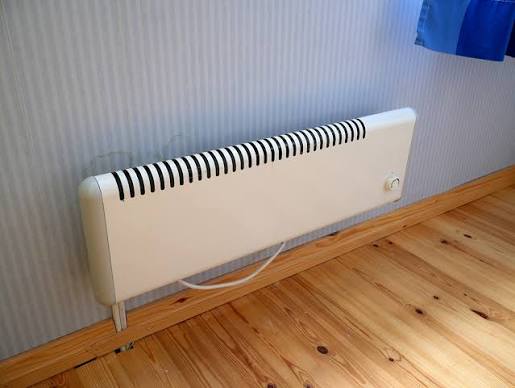
The third is design. Electric radiators are now made in vertical columns, flat panels, mirrored finishes, and colours that range from anthracite to brass. Some are designed to be wall art. Many are indistinguishable from a conventional designer radiator.
The Case for Electric
The arguments in favour are practical rather than romantic, and they are stronger than many people realise.
No Boiler Required
An electric radiator needs only a power supply. There is no pipework, no boiler, no flue, and no plumber. For flats without gas, for extensions far from the boiler, for garden offices and converted lofts, this removes an entire category of expense and disruption.
Installation Is Simple
A qualified electrician can fit most models in under an hour. There is no draining of the system, no lifting of floors, no chasing of walls. For renters or anyone reluctant to undertake building work, this is a decisive advantage.
Room-by-Room Control
Central heating heats a whole house whether you are using it or not. Electric radiators heat only the rooms you occupy, only when you need them. In a household where one person works from home and another is out all day, this can reduce waste considerably.
Fast, Local Warmth
Electric radiators reach temperature quickly. For a bathroom in the morning, a spare room when guests arrive, or a home office on a cold afternoon, that responsiveness is exactly what is wanted.
No Maintenance
There are no moving parts, no water to leak, no sludge to flush, and no annual service. Once installed, an electric radiator largely looks after itself.
The Case Against
Honesty matters here, because electric heating has a genuine weakness.
Electricity costs more per unit of heat than gas in most of the UK. A well-insulated home heated entirely by electric radiators will usually cost more to run than the same home heated by a gas boiler. This is arithmetic, not opinion.
Several factors soften the blow. Heat pumps are changing the economics of electric heating, and radiators that run on off-peak tariffs or solar generation can be far cheaper than headline rates suggest. Zoning reduces waste, so the comparison is rarely like for like. Insulation, as always, matters more than the heat source.
The sensible conclusion is this: electric radiators make excellent sense for specific rooms, specific circumstances, and specific households. They make less sense as a wholesale replacement for a functioning gas central heating system.
Where They Work Best
Certain spaces suit electric radiators almost perfectly.
Home offices. A single room used for long stretches, often converted from a spare bedroom or a garage, is the ideal application. Heating the whole house to warm one desk is wasteful, and an electric radiator solves the problem cleanly.
Bathrooms. Quick warmth, no pipework, and slimline designs that fit awkward walls make electric radiators a natural choice, particularly in en-suites far from the boiler.
Extensions and conversions. Lofts, basements, garden rooms, and side returns are often difficult or expensive to connect to the existing system. A dedicated electric circuit is far simpler.
Flats without gas. For properties off the gas grid or in buildings where gas is not permitted, electric radiators offer an efficient, controllable alternative to storage heaters.
Rental properties. Landlords appreciate the low installation cost and lack of maintenance. Tenants appreciate the control and the absence of a landlord visit to bleed radiators.
Second homes and holiday lets. With smart controls, a property can be warmed remotely before arrival and left cold in between.
Period properties. Where pipework would damage historic fabric or disturb original floors, electric radiators offer warmth without intrusion.
Choosing Well
Not all electric radiators are equal, and the differences matter over years of use.
Look for accurate thermostats and genuine programmability, since poor controls waste more energy than poor hardware. Consider thermal mass, as heavier units hold heat longer and feel more like traditional radiators. Check the IP rating for bathrooms. Confirm the warranty, which is often a good indicator of build quality. Match the output to the room, because an undersized radiator will run constantly and cost more than a correctly specified one.
Installation should always be carried out by a qualified electrician, and high-output models may require a dedicated circuit rather than a spur from an existing ring main.
The Wider Picture
The popularity of designer electric radiators reflects something broader than heating. It reflects a shift toward granular control, toward room-by-room living, and toward systems that can adapt as circumstances change.
Households are more varied than they were. More people work from home. More people live alone. More people rent. More people care about the energy they use and where it comes from. A single central heating system, designed to serve a family of five in every room at once, no longer fits every life.
Electric radiators fit the edges of those lives. They fill the gaps that central heating leaves, and they do so simply, quietly, and without requiring a builder.
The Point
Electric radiators are not a universal solution, and anyone who claims otherwise is selling something. They are, however, a far better solution than their reputation suggests, and for a growing number of homes and rooms they are the obvious answer.
No pipework. No boiler. No maintenance. Precise control, immediate warmth, and designs that hold their own in a well-considered room.
That is why they remain as popular as ever, and why that popularity looks set to continue.