


Introduction
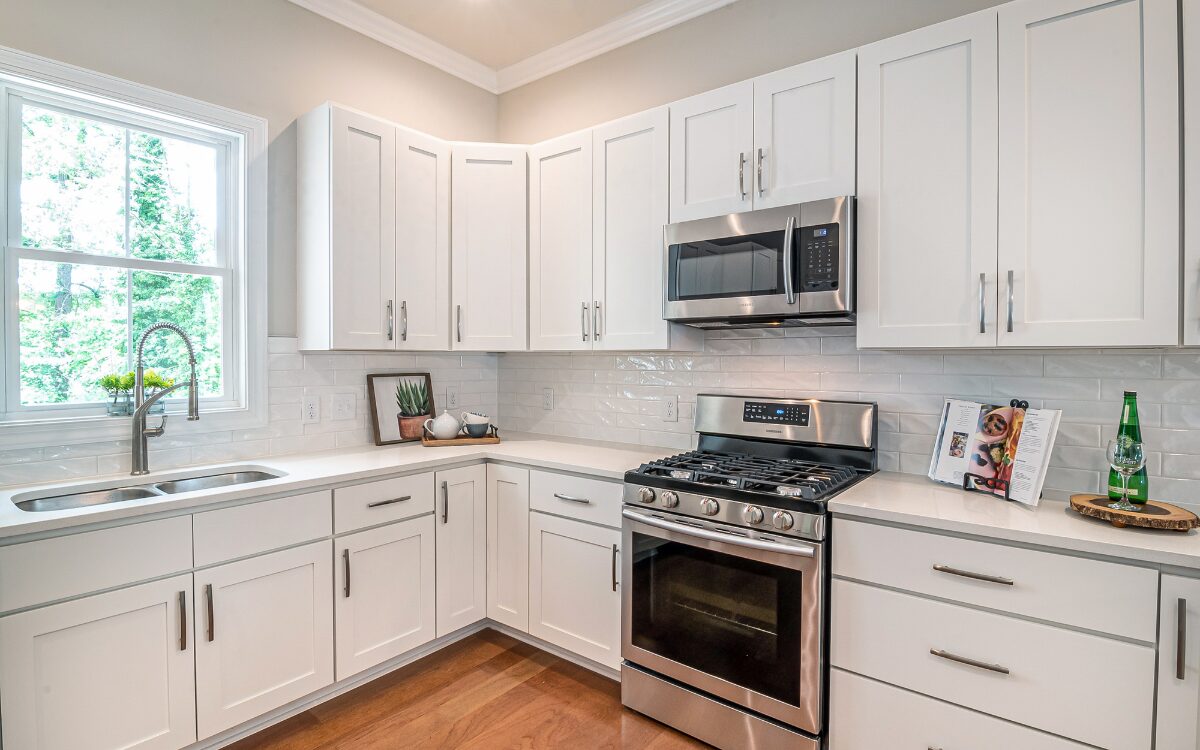
Microwave range hood vents are a versatile and space-efficient solution for modern kitchens, combining the functionality of a microwave with an integrated exhaust fan system. By utilizing built-in fans, they can either recirculate or exhaust air, effectively capturing grease and odors through filters. Simple Guide to Understanding Serif Fonts is a useful companion read here.
Available in various sizes and venting options, these units cater to different kitchen setups and preferences. These appliances not only save valuable counter space but also offer the dual benefits of cooking and ventilation in one unit.
Choosing the right microwave range hood vent involves considering factors such as kitchen size, cooking habits, and aesthetic preferences to ensure optimal performance and satisfaction.
Here’s a table showcasing the features of microwave range hood vents:
| Features | Description |
| Space-Saving Design | Combines microwave and vent, saving counter space. |
| Multi-functionality | Provides cooking and venting, with extra features like lighting. |
| Ventilation Options | Offers recirculating or exhausting; ducted or ductless. |
| Size and Type | Sizes vary by CFM; uses rectangular or round ducts. |
| Ease of Installation | Ductless models are easy to install, often DIY. |
| Vent Kit Components | Includes hood, ducts, and connectors. |
| Replacement Considerations | Check compatibility with existing setup. |
| Limitations | Lower CFM than standalone hoods; may be less accessible. |
Understanding Microwave Range Hood Vents
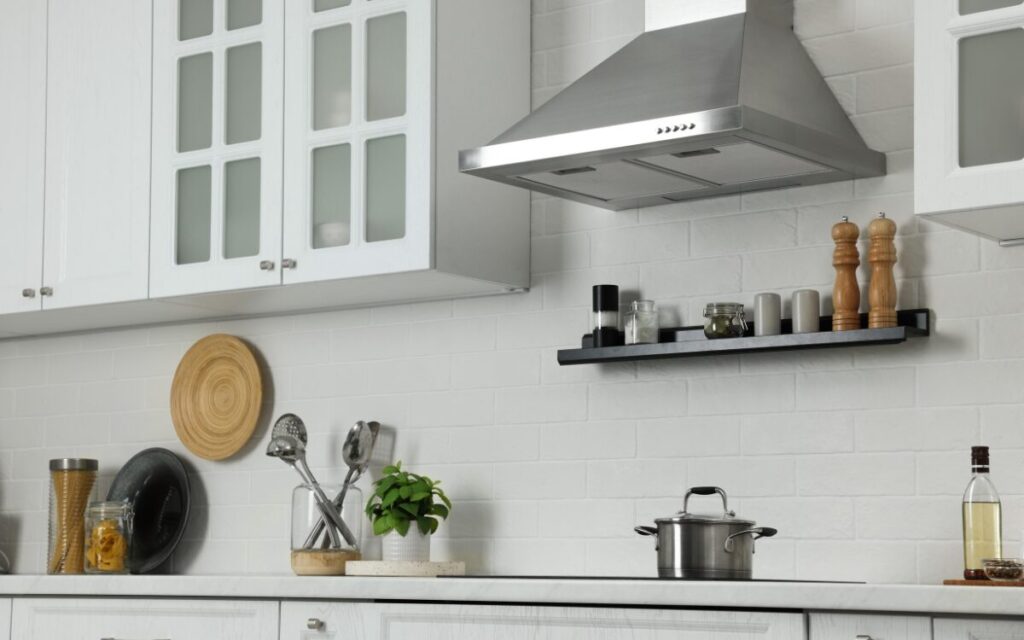
Microwave range hood vents are appliances that integrate a microwave oven with an exhaust fan system. Unlike traditional range hoods, which are solely dedicated to venting, these combinations provide both cooking and ventilation capabilities in one unit.
How Do Microwave Range Hood Vent Combinations Work?
Microwave range hood vent combinations work by utilizing a built-in fan to either recirculate or exhaust air from the kitchen. The air is drawn through filters that capture grease and odors before being vented outside or recirculated back into the kitchen, depending on the installation type.
Benefits of Microwave Range Hood Vents
Space-Saving Design
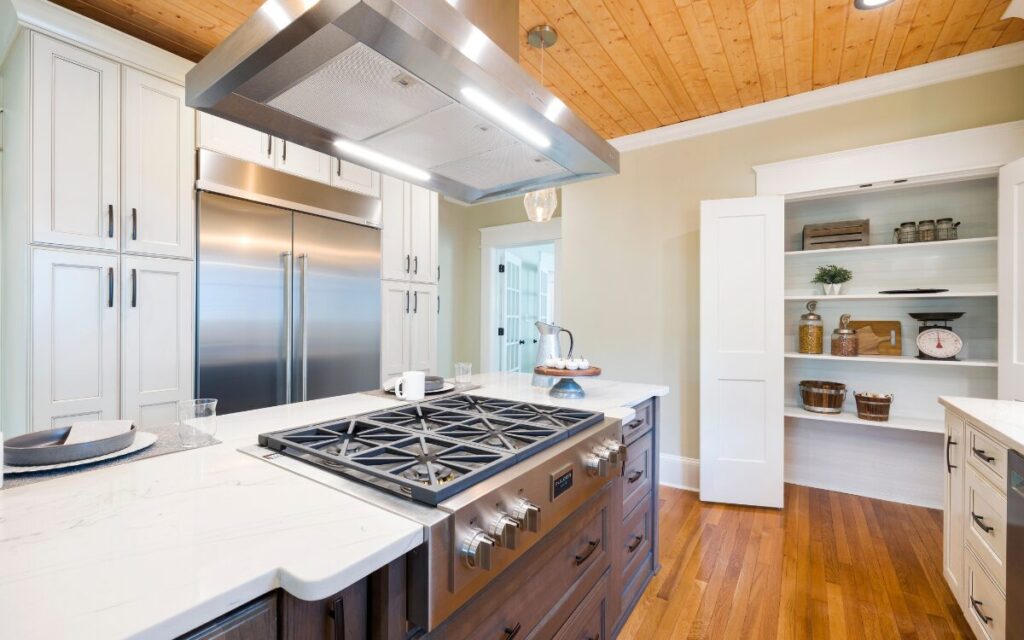
By integrating two appliances into one, microwave range hood vents free up valuable counter space. This is especially beneficial in smaller kitchens or for those seeking a minimalist design.
Multi-functionality
These units combine cooking and venting functions, often including additional features like surface lighting and defrosting capabilities, making them highly versatile.
Ease of Installation
Many models offer ductless options, simplifying installation and often eliminating the need for professional assistance, which can save on costs.
Microwave Range Hood Vent Size
The size of a microwave range hood vent is determined by the CFM (cubic feet per minute) and the type of vent.
Duct Size
- CFM 0–400: 4-inch duct
- CFM 401–600: 6-inch duct
- CFM 601–900: 7-inch duct
Vent Type
- Over-the-range microwaves typically use either a 3 1/4 x 10-inch rectangular vent or a 6-inch round vent.
Vent System Length
- The total vent system (including elbows and transitions) should not exceed 140 feet for optimal performance.
Transition Piece:
- For round vents, use a rectangular-to-round transition piece and install a 3-inch extension between the damper and transition.
Choosing the appropriate vent size and type guarantees effective removal of smoke and odors.
Microwave Range Hood Vent Kit
Vent kits are available to facilitate installation, often including different components. A microwave range hood vent kit typically includes:
- Vent Hood: Captures smoke and odors.
- Ductwork: Carries air outside, available in round or rectangular shapes.
- Vent Cover: Protects the vent from debris and weather.
- Transition Piece: Connects different duct sizes.
- Damper: Regulates airflow.
- Wall/Roof Cap: Exhale air outside the home.
- Clamps/Connectors: Secure duct connections.
These components work together for efficient smoke and odor removal.
Microwave Range Hood Vent Installation

Key Steps to Install a Microwave Range Hood Vent:
- Prepare the Area: Ensure the microwave’s power supply and ventilation connections are ready.
- Locate Wall Studs: Use a stud finder to mark the stud locations for drilling.
- Align the Template: If included, align the mounting template with the cabinet bottom and wall markings, ensuring its level.
- Drill Holes: Drill holes at the marked locations for the mounting plate.
- Attach the Mounting Plate: Fix the mounting plate to the wall firmly by fastening it with screws.
- Install the Microwave: Lift the microwave and align it with the mounting plate.
- Thread the Power Cord: Pass the power cord through the hole into the cabinet.
- Secure the Microwave: Attach the microwave to the cabinet with bolts, ensuring it’s flush with the cabinet.
- Connect the Vent Duct: Attach the vent duct, directing it outside for proper ventilation.
- Final Check: Plug in the microwave and verify the installation is secure and functional.
Microwave Range Hood Vent Replacement
When replacing an old unit, focus on compatibility with existing ductwork and electrical connections. Proper fit and function are crucial for optimal performance.
- Unplug the microwave and remove it from the wall with assistance.
- Disconnect the old vent and duct connections completely.
- Remove the mounting plate by unscrewing it from the wall, keeping the hardware for reuse.
- Examine the area for signs of damage and carry out any needed repairs.
- Install the new microwave, ensuring it aligns with the existing venting system.
- Securely reconnect the ductwork, checking for leaks.
- Plug the microwave in and verify its operation.
- Test the ventilation system to ensure proper functionality.
Limitations of Microwave Range Hood Vents
Ventilation Power
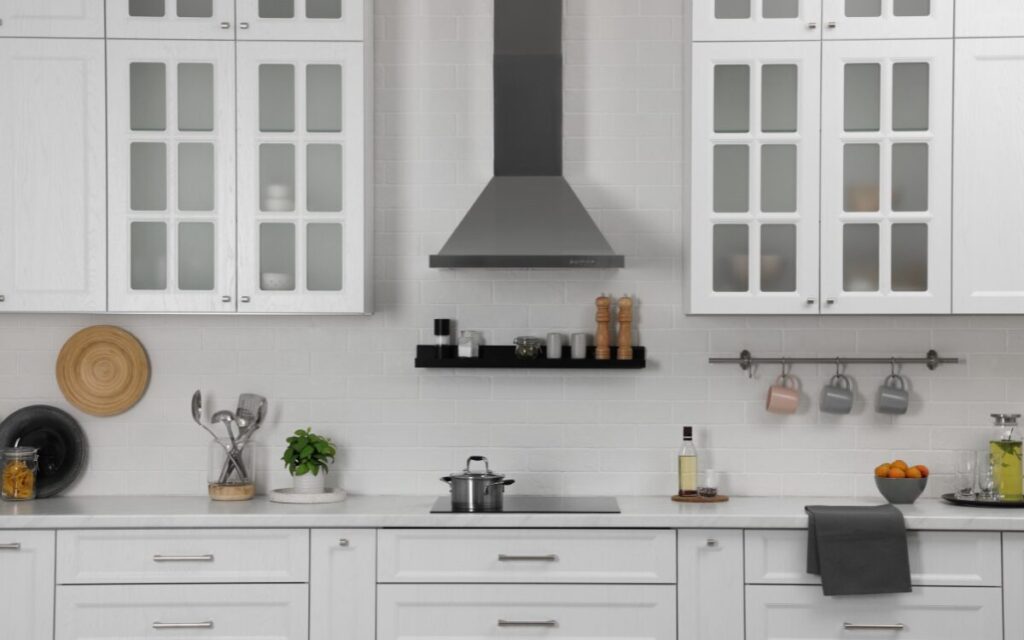
These units generally have lower CFM ratings compared to standalone range hoods, which can limit their effectiveness in handling heavy smoke or odors from high BTU cooking appliances.
Height and Accessibility Concerns
Positioned higher above the range, these units may pose accessibility issues for some users.
Comparison with Traditional Range Hoods
Performance and Efficiency
Traditional range hoods typically offer higher CFM ratings, making them more effective at removing smoke, grease, and odors. They are better suited for kitchens with high cooking demands or gas ranges.
Design and Aesthetics
While microwave hoods offer an integrated look, traditional range hoods come in various styles and finishes, offering more aesthetic options for kitchen design.
Choosing the Right Option for Your Kitchen
Consider factors such as kitchen size, cooking habits, aesthetic preferences, and budget constraints when choosing between a microwave range hood vent and a traditional range hood.
For small kitchens or where space is limited, a microwave range hood vent might be ideal. In contrast, larger kitchens or those with high smoke/odor production may benefit more from a traditional range hood.
Conclusion
Microwave range hood vents combine a microwave and ventilation system into one space-saving unit, ideal for smaller kitchens. They offer multi-functionality and easy installation. Tough they may lack the ventilation power of traditional range hoods and can be less accessible due to higher placement.
Proper vent sizing and compatibility are essential for effective performance. While traditional range hoods excel in high-demand kitchens with better ventilation, the choice ultimately depends on kitchen size, cooking needs, design preferences, and budget. Careful consideration ensures the best fit for any kitchen.
If you want to read an interesting article about it, explore our “Kitchen” category.
FAQs
The efficiency of microwave range hoods depends on the model and user needs. Many over-the-range microwaves feature advanced venting systems that effectively minimize smoke and odors while also offering versatile cooking functions.
Yes, some microwave range hoods are designed to vent air outdoors through ductwork, while others rely on recirculating systems that filter and return air to the kitchen.
Range hoods typically offer stronger ventilation and better odor removal, whereas microwave vents provide a compact, multi-functional solution. The ideal choice depends on your cooking demands and kitchen design.
Painting exterior brick can be a good option for improving appearance and providing added surface protection when done correctly.
Properly painted brick can remain durable, but incorrect products or application can trap moisture and cause damage.