

Dealing effectively with a wasp problem requires patience, awareness, and the right combination of techniques. How to get rid of wasps is not just about eliminating the insects you see, but also about targeting their nests and preventing future infestations.
The process usually starts by observing wasp activity to locate their nesting area, which could be in trees, roofs, wall cavities, or even underground. Once identified, you can choose between natural methods, such as using essential oil repellents, traps, or soapy water, or stronger chemical treatments for more severe cases.
Timing plays a critical role, as applying treatments during cooler hours, like early morning or late evening, minimizes the risk of attacks. It is also important to remain calm and avoid sudden movements near wasps, as they can become defensive very quickly.
| Topic | Key Points |
| Understanding Wasps | Types: Yellow jackets, paper wasps, hornets; predators and scavengers; feed on insects & sugar. |
| Why Wasps Are a Problem | Can sting multiple times; painful and dangerous; aggressive if disturbed; nests near humans. |
| Identifying Nests | Locations: roofs, walls, trees, underground, garages; Types: paper-like, underground, aerial. |
| Signs of Infestation | Increased activity, buzzing sounds, visible nests, repeated entry/exit from holes. |
| Safety Precautions | Wear protective clothing, avoid perfumes/bright colors, work early/late, keep an escape route; allergic individuals should seek professional help. |
| Natural Removal Methods | Soap & water spray, peppermint oil repellent, vinegar-sugar traps, cucumber slices, and smoke. |
| Chemical Removal Methods | Wasp sprays (instant kill), insecticide dust (for underground nests), foam sprays (seal & kill). |
| Nest Removal Steps | Identify nest, choose timing, wear gear, apply treatment, wait 24–48 hrs, safely remove. |
| When to Call Professionals | Large nests, hidden/inside walls, aggressive wasps, allergy risk; professionals have proper equipment. |
| Prevention Tips | Seal entry points, cover food, manage garbage, maintain the garden, and remove old nests. |
| Common Mistakes | Removing nests during the day, using water alone, standing too close, and ignoring early signs. |
| Are Wasps Beneficial? | Control pests and aid pollination; distant nests may be left alone. |
How to Get Rid of Wasps?
Getting rid of wasps requires a careful and well-planned approach to ensure both effectiveness and safety. How to get rid of wasps begins with correctly identifying the nest location and the level of infestation, as this helps determine the best method to use. For smaller problems, natural remedies such as soap and water sprays, peppermint oil solutions, or homemade traps can be effective in reducing wasp activity.
However, for larger infestations, chemical solutions like wasp sprays, insecticide dust, or foam treatments may be necessary, especially when dealing with hidden or underground nests. It is always best to treat nests during early morning or late evening when wasps are less active, and wearing protective clothing is essential to avoid stings.
In more serious situations, such as large nests, aggressive wasps, or nests located inside walls, professional pest control services should be considered. Alongside removal, preventive measures like sealing entry points, maintaining cleanliness, and eliminating food sources play a crucial role in ensuring wasps do not return.
Understanding Wasps
- Before trying to eliminate wasps, it’s important to understand their behavior.
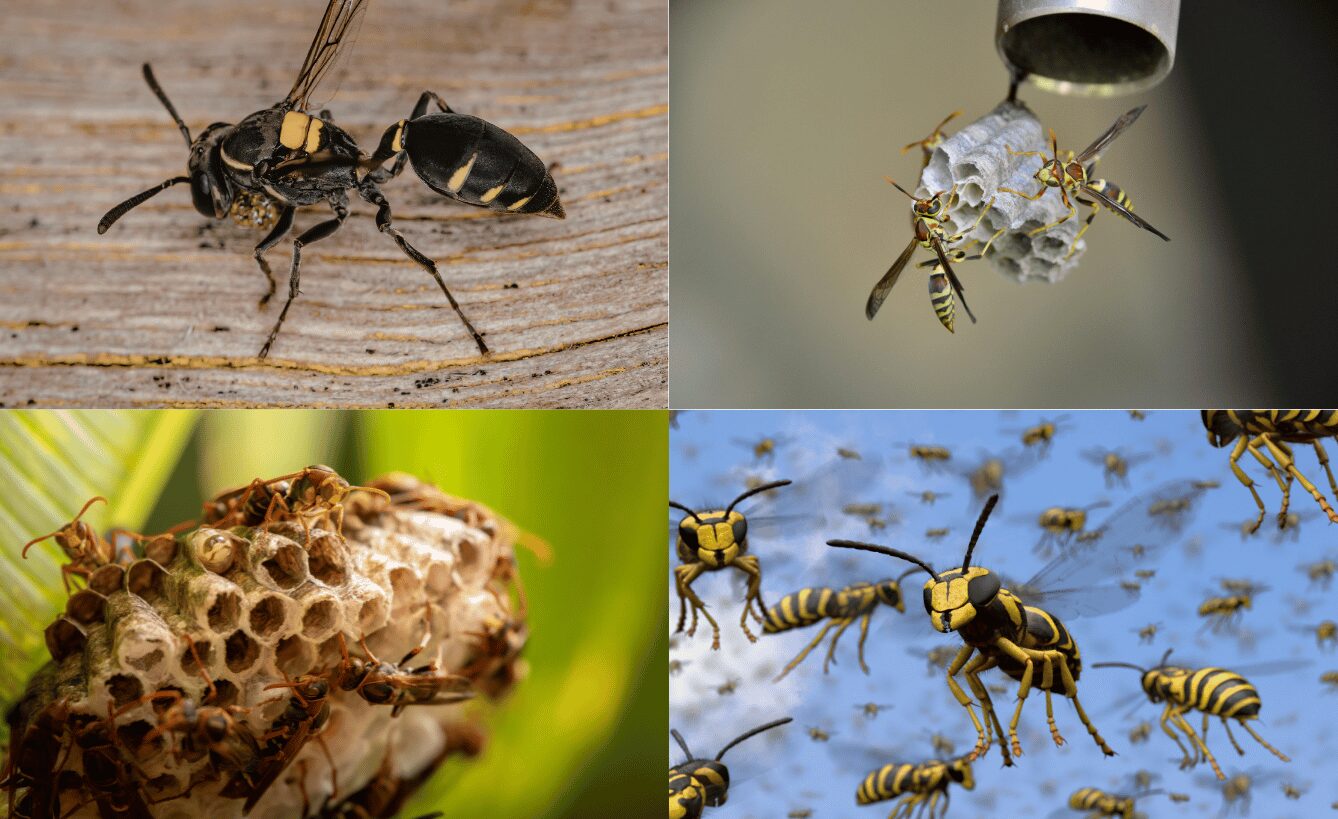
- Wasps are flying insects that belong to the order Hymenoptera.
- Yellow jackets
- Paper wasps
- Hornets
- They are predators and scavengers, often feeding on insects, sugary foods, and human leftovers.
Why Are Wasps a Problem?
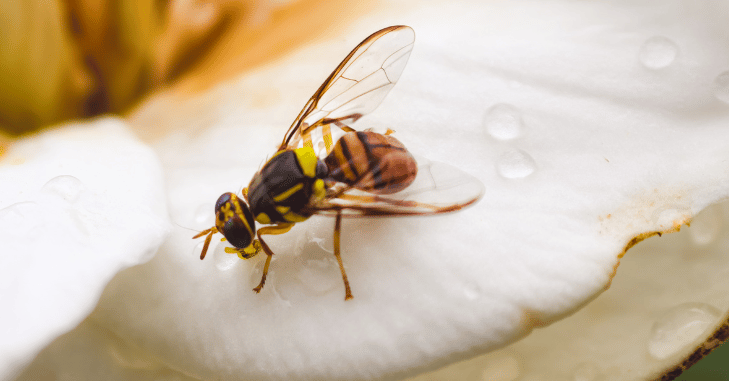
Wasps can be a serious concern due to several reasons. Unlike many other insects, they are capable of stinging multiple times, which increases the risk of injury. Their stings are not only painful but can also be dangerous, especially for individuals who are allergic.
Wasps tend to become highly aggressive when their nest is disturbed, making any close interaction risky. Additionally, they often build their nests in homes, gardens, and other outdoor areas, bringing them into close contact with people and increasing the chances of unwanted encounters.
Identifying a Wasp Nest
Common Nest Locations
Wasps build nests in various places, including:
- Roof eaves and ceilings
- Wall cavities
- Trees and bushes
- Underground burrows
- Garages and sheds
Types of Nests
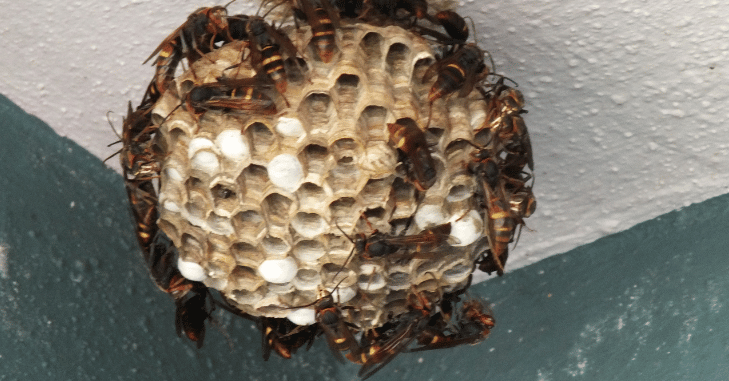
- Paper-like nests: Made from chewed wood fibers (common with paper wasps)
- Underground nests: Usually built by yellow jackets
- Large aerial nests: Often associated with hornets
Signs of Infestation
- Increased wasp activity in a specific area
- Buzzing sounds in walls or ceilings
- Visible nest structures
- Wasps entering and exiting a hole repeatedly
Safety First: Precautions Before Removal
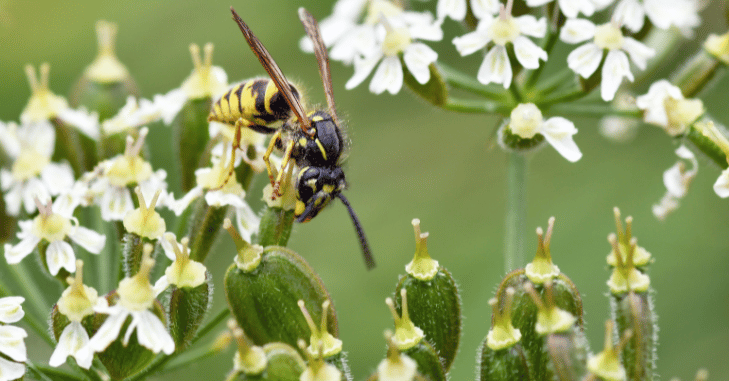
Before attempting to remove wasps, it is essential to take proper safety measures to reduce the risk of stings and injury. You should wear protective clothing such as long sleeves, gloves, and a face covering to shield yourself from potential attacks.
It is also important to avoid using strong perfumes or wearing bright-colored clothing, as these can attract wasps and make them more aggressive. For safer handling, try to work during the early morning or late evening when wasps are less active and most are inside the nest.
Additionally, always ensure that you have a clear and safe escape route in case the wasps become agitated. If you are allergic to wasp stings, you should never attempt to remove them yourself and instead seek professional help to handle the situation safely.
Natural Ways to Get Rid of Wasps

If you prefer eco-friendly solutions, several natural methods can help.
1. Soap and Water Spray
A simple yet effective method. Soap clogs the wasps’ breathing pores, killing them quickly.
Instructions
- Mix 2 tablespoons of dish soap with water in a spray bottle
- Spray directly on wasps and nests
2. Peppermint Oil Repellent
Wasps dislike strong scents.
- Mix a few drops of peppermint oil with water
- Spray around windows, doors, and nesting areas
3. Vinegar and Sugar Trap
This method attracts and traps wasps.
- Mix vinegar, sugar, and water in a bottle
- Cut the top off a plastic bottle and invert it like a funnel
- Place near problem areas
4. Cucumber Slices
Wasps dislike cucumber’s bitterness.
- Place slices around areas where wasps gather
- Smoke can drive wasps away from their nest.
Chemical Methods for Wasp Removal
| Method | Description | How It Works | Best Time to Use |
| Wasp Sprays | Easily available sprays designed specifically for wasps | Kill wasps instantly and allow spraying from a safe distance | Night (when wasps are in the nest) |
| Insecticide Dust | Powder form is ideal for hard-to-reach or underground nests | Applied at the nest entrance, wasps carry it inside, eliminating the colony | Evening or night |
| Wasp Foam Sprays | Expanding foam insecticide | Seals nest openings and kill wasps trapped inside | Night or low activity periods |
How to Remove a Wasp Nest?

Step-by-Step Process
- Identify the nest location
- Choose the right time (early morning or night)
- Wear protective gear
- Apply treatment (natural or chemical)
- Wait 24–48 hours
- Remove the nest carefully
Important Tips
- Never knock down an active nest
- Ensure all wasps are dead before removal
- Use a sealed bag to dispose of the nest
When to Call a Professional?
Sometimes DIY methods are not safe or effective, especially when dealing with more serious wasp infestations. It is important to call professional pest control services if the nest is large, as bigger colonies can be extremely dangerous to handle without proper training.
You should also seek expert help if the nest is located inside walls or roofs, where it is difficult to access and remove safely. Additionally, individuals who are allergic to wasp stings should never attempt removal on their own due to the risk of severe reactions. If the wasps appear highly aggressive, this is another clear sign that professional intervention is necessary.
Preventing Wasps from Coming Back
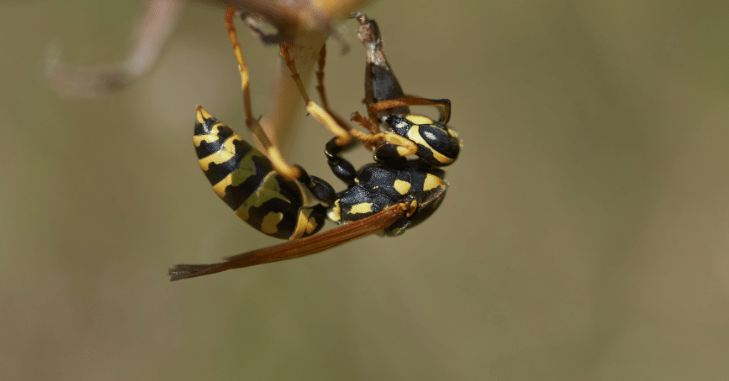
Prevention is the best long-term solution.
1. Seal Entry Points
- Close cracks in walls and roofs
- Repair broken vents and screens
2. Keep Food Covered
- Avoid leaving sugary drinks or food outside
- Clean up spills immediately
3. Manage Garbage Properly
- Use sealed trash bins
- Keep bins away from entrances
4. Maintain Your Garden
- Trim bushes and trees
- Remove old nests during winter
Common Mistakes to Avoid
When dealing with wasps, there are several common mistakes that people should avoid to prevent danger and worsen the situation. One major mistake is trying to remove nests during the day, as wasps are most active and aggressive then, increasing the risk of multiple stings.
Another error is using water alone to get rid of them; instead of eliminating the threat, water can agitate the wasps and make them more hostile. Standing too close to the nest is also risky, as it can provoke the wasps and lead to immediate attacks.
Additionally, ignoring the early signs of infestation, such as increased wasp activity or small nest formations, can allow the problem to grow into a much larger and more difficult situation to control.
Are Wasps Ever Beneficial?
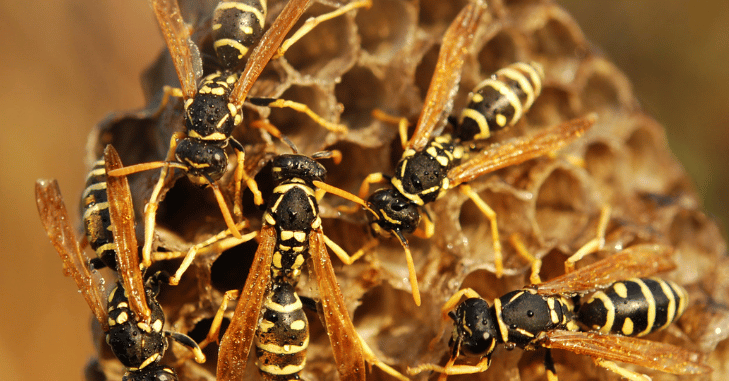
Yes, despite their aggressive nature, wasps play a role in the ecosystem:
- They control pest insects
- Help in pollination (though less than bees)
- If the nest is far from human activity, it may be best to leave it alone.
Conclusion
How to get rid of wasps? Getting rid of wasps requires a combination of careful observation, safe removal techniques, and preventive measures. Understanding wasp behavior, identifying nests early, and choosing the right approach, whether natural remedies, chemical treatments, or professional help, are essential for protecting yourself and your surroundings.
Prevention plays an equally important role, from selling entry points to maintaining cleanliness and monitoring outdoor spaces. By following a well-planned strategy, you can not only eliminate existing wasps but also reduce the chances of future infestations, ensuring a safe and wasp-free environment.
If you want to read an interesting article about it, explore our Cleaning category.
FAQs
Look for increased wasp activity, buzzing sounds near walls or ceilings, visible nests, and wasps repeatedly entering and exiting a hole.
Yes, methods like soapy water sprays, peppermint oil, vinegar traps, and cucumber slices can reduce wasp activity, especially for small infestations.
Chemical solutions like wasp sprays, insecticide dust, or foam are best for large nests, underground nests, or aggressive wasps that cannot be controlled naturally.
Only if you take proper precautions, such as wearing protective clothing, working during low activity hours, and having a safe escape route. Allergic individuals should always seek professional help.
Seal cracks and entry points, cover food, maintain cleanliness, manage garbage properly, and remove old nests during winter.
Yes, they help control pest insects and assist in pollination. Nests far from human activity can sometimes be left alone.