

At a Glance
Construction sites contain numerous hazards beyond common risks, such as slips or falls. Less obvious dangers include hazardous chemicals, airborne fibres, excessive noise, vibration exposure, mental health pressures and fire risks. Identifying these hazards early, following HSE guidance and providing proper training and welfare facilities are essential for maintaining safe construction environments.
Construction Safety First
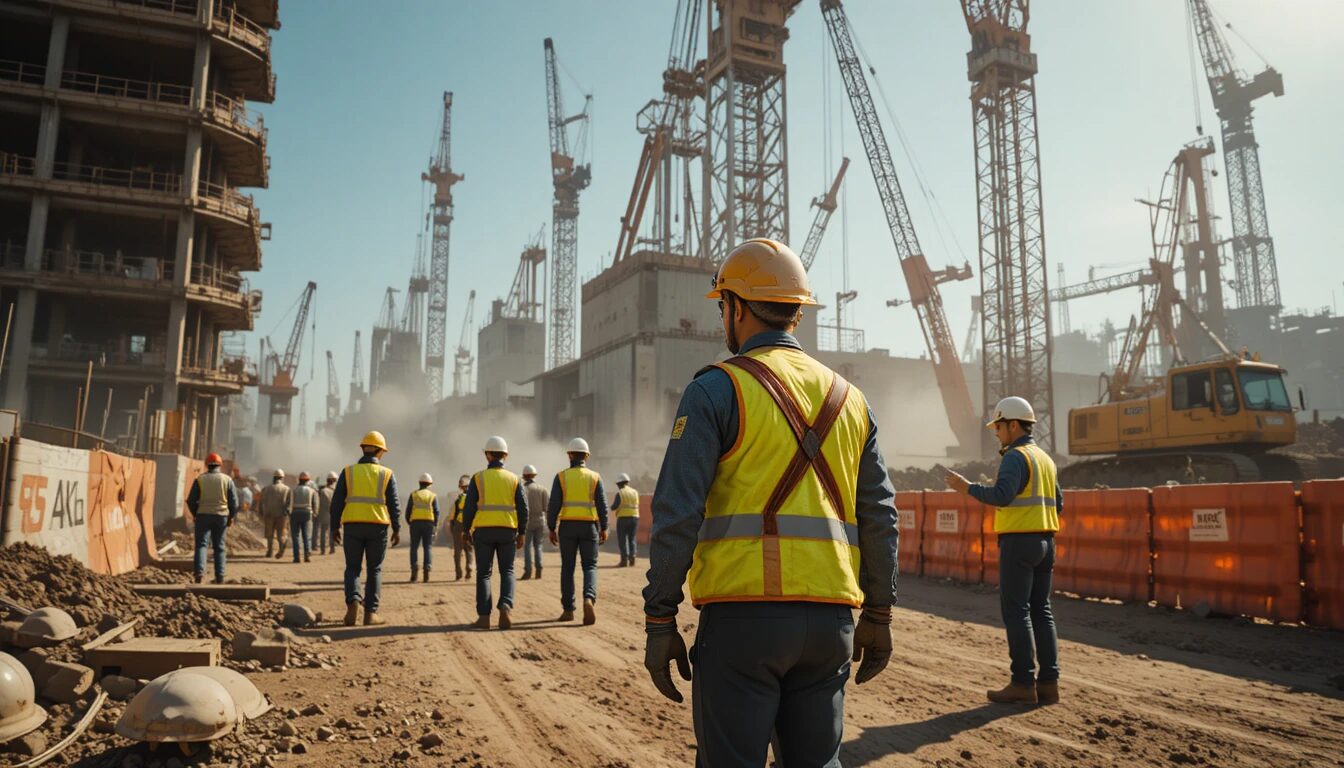
The construction sector is one of the key contributors to the UK economy. But it’s also one of the riskiest industries to work in. Construction sites pose more hazards than any other type of workplace. One glance at any construction site and you’ll find heavy machinery, moving vehicles with heavy loads, hazardous chemicals, and unstable groundworks. In 2024-25 alone, the Health and Safety Executive (HSE) reported 35 workers losing their lives to work-related accidents, higher than any other sector.
The good news is that with proper planning and some forethought, it’s quite possible to eliminate or control most common hazards on construction sites. Importantly, it’s about construction managers and contractors following HSE safety guidelines to provide on-site welfare amenities and choosing reliable welfare unit providers, such as Hireforce Welfare.
In this article, we list out 7 of the most common construction site hazards you may be overlooking on your site.
7 Construction Site Hazards You May Be Overlooking
Beyond working at heights, slips, falls, and trips, multiple other hazards can disrupt your site if appropriate safety measures are not taken. Let’s take a look at the top seven:
1. Heavy Machinery and Equipment
Construction work involves heavy lifting, excavation, and other heavy-duty activities. These tasks require different types of heavy machinery and equipment. Equipment and machinery such as diggers, power saws, and industrial sanders are powerful tools, but they can also pose significant health hazards.
The right training and regular risk assessments can help prevent injuries, accidents, and harm that can result from poorly handling this machinery and equipment.
2. Hazardous Chemicals and Substances
From everyday paints, foams, and glues to corrosive solvents, liquids, and gases such as carbon monoxide, construction work also involves hazardous chemicals and substances. Without proper handling practices and protective gear, those handling these chemicals risk burns, poisoning, or spills from contact or inhalation.
You need to ensure workers follow proper precautions and know how to store and handle hazardous chemicals and materials safely. Conducting regular risk assessments can bring any safety breaches to light.
3. Airborne Fibres and Materials
Along with dust, smoke, and other particles, construction or demolition work releases certain fibres and materials in the air. Inhaling too many of these particles, such as asbestos fibres, can cause significant damage to your lungs and other internal organs.
It’s possible to avoid the risks posed by these airborne fibres and fine pollutants by wearing protective gear such as face masks, goggles, and air filters.
4. Mental Health Issues
Working on construction sites is physically demanding, but it also takes a toll on your construction workforce’s mental health. The stress of working in dangerous conditions, meeting deadlines, injuries, and cultural norms are common reasons for the sudden rise in construction workers facing mental health challenges.
Chartered Institute of Building (CIOB)’s 2025 report on Understanding Mental Health in the Built Environment highlights 60% respondents experienced depression and 27% experienced suicidal thoughts.
Creating awareness and removing the stigma around mental health issues is difficult, but it is the need of the hour. Along with companies committing to the Mental Health at Work commitment, mental health awareness training and resources need to be readily available to the construction workforce, should they need them.
5. Hand Arm Vibration Syndrome
Hand Arm Vibration Syndrome, or HAVS, is a painful condition that weakens the blood vessels, nerves, and joints. It often results from the overuse of hand-held power tools, such as vibratory power tools and ground-working equipment.
Although HAVS is preventable, the damage is permanent in those affected. According to HSE reports, nearly 2 million people are at risk of developing HAVS. The disease can limit an individual’s ability to do fine work, and low temperatures can trigger painful attacks in the fingers.
Provide adequate protection when using vibrating equipment and ensure proper tool maintenance to avoid this debilitating condition from affecting your workforce.
6. Noise
With power drills, jackhammers, diggers, and power saws, a construction site is no place for peaceful white noise. Construction work is noisy and also one of the most common construction hazards that can be overlooked. Loud noises over prolonged periods can lead to long-term hearing damage. It can also distract workers from performing their tasks safely or avoiding accidents.
In addition to distributing and using hearing protection gear, you may also need to conduct comprehensive noise risk assessments.
7. Fire
Sites have flammable liquids and materials as well as electrical equipment and welding tools. Sparks from operating and using such equipment and materials can start fires, which are among the most common risks on construction sites. If started, it can tear through the entire site in minutes.
This is why fire safety should be a top priority on construction sites. Adequate protection and safety measures must be taken.
To Sum Up
The dangers of construction sites are many, but it’s possible to build safer, healthier sites by avoiding common hazards. Under the Health and Safety at Work Act, employers are legally required to protect workers from hazards they may be exposed to when working on site.
In addition to safety precautions, health and safety training gives construction workers the knowledge and skills to keep themselves and all around them safe.
Apart from that, if you want to read more articles then visit our Real Estate category.