

Introduction
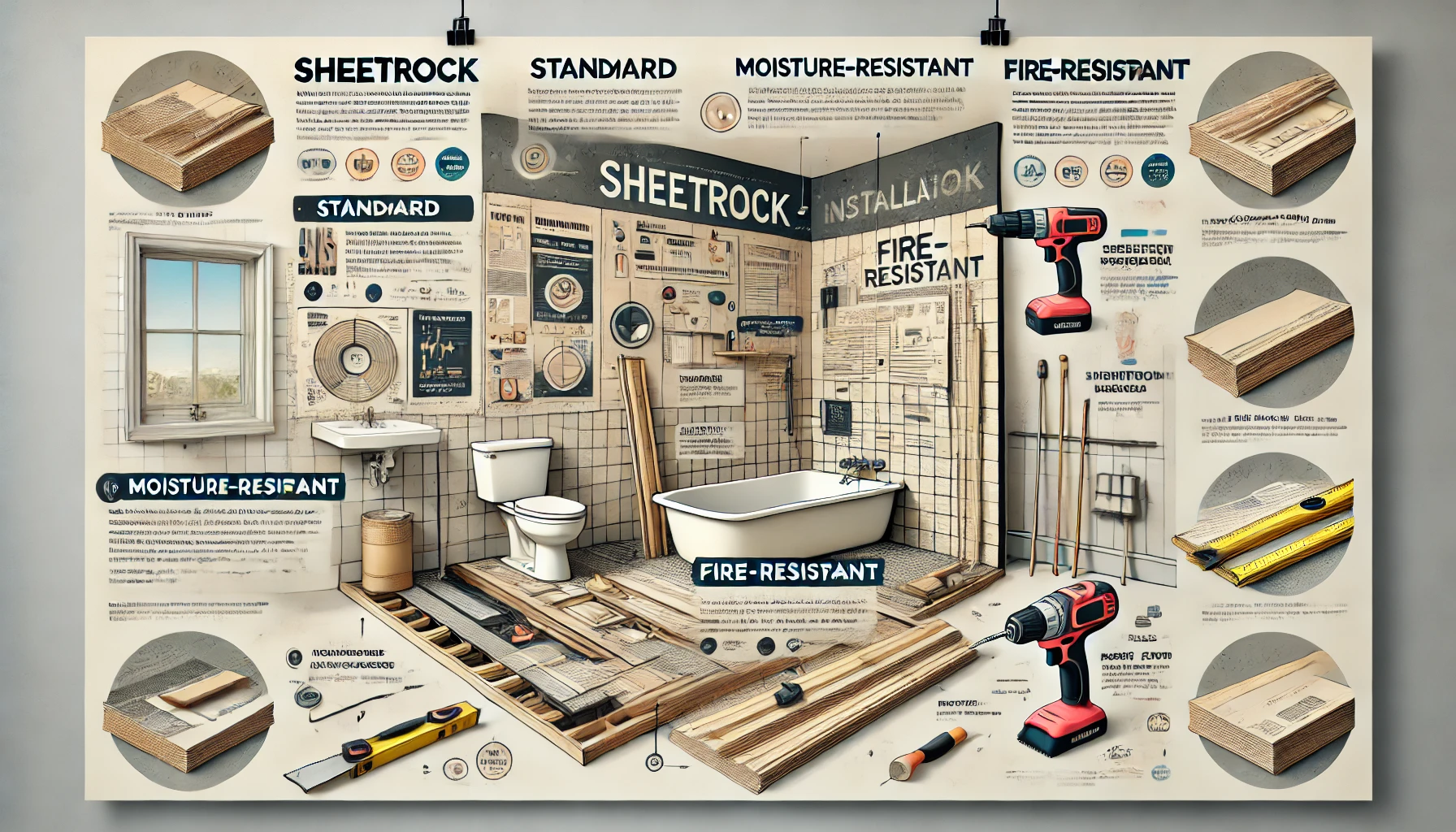
When designing or remodeling, selecting the right bathroom sheetrock is vital to ensure durability, moisture resistance, and long-term performance. Unlike standard drywall, bathroom sheetrock is designed with materials such as foam, fiberglass, or cement to prevent mold and mildew while reducing flammability risks.
Options like green board, purple board, cement board, paperless drywall, and blue board are available. While it comes with higher costs and installation complexity, its advantages far outweigh these challenges.
Proper installation—covering preparation, measuring, sealing joints, and waterproofing—ensures optimal performance. Additionally, regular maintenance, including cleaning, ventilation, and mold checks, extends its lifespan.
Here’s a table showcasing the features of bathroom sheetrock:
| Feature | Details |
| Moisture Resistance | Prevents mold and mildew growth, ideal for high-humidity areas like bathrooms. |
| Material Composition | Made from foam, fiberglass, or cement |
| Durability | Lasts longer in wet conditions, with some types supporting heavy tiles (e.g., cement board). |
| Waterproofing | Options like cement board are fully waterproof and ideal for showers and tub surrounds. |
| Ease of Installation | Requires precise measurement, joint sealing, and waterproofing; installation is labor-intensive. |
| Variety | Some types, like purple boards, reduce flammability risks due to specialized materials. |
| Maintenance | Needs regular cleaning with a damp cloth, ventilation, and mold checks to ensure longevity. |
| Aesthetic Finish | It can be sanded, painted with waterproof paint, or plastered for a polished appearance. |
| Safety | Some types, like purple board, reduce flammability risks due to specialized materials. |
Types of Bathroom Sheetrock
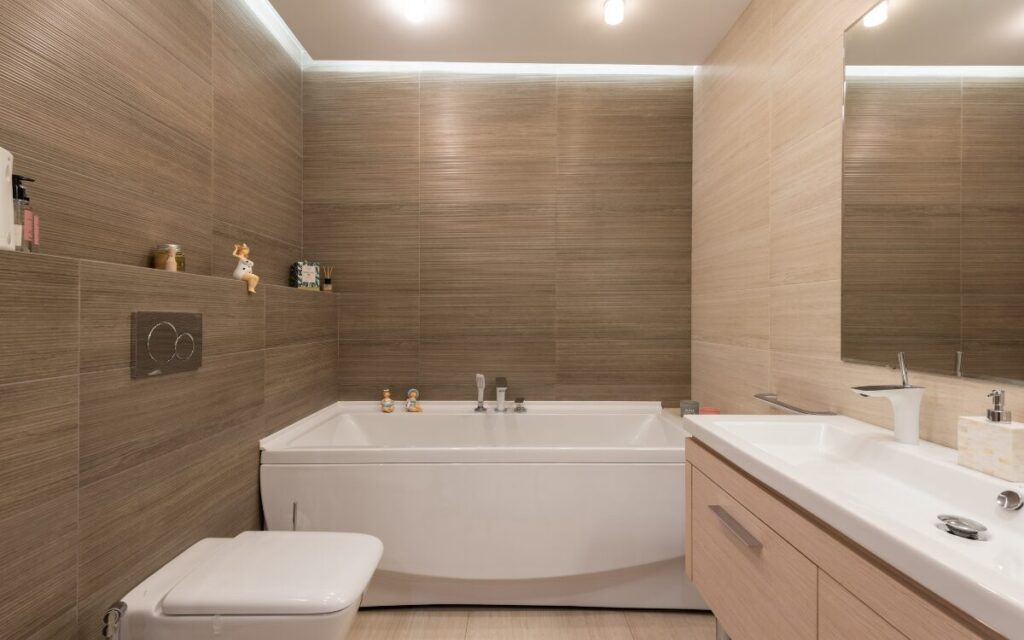
Choosing the right type of sheetrock for your bathroom can make a significant difference in durability and performance. Here are some common options:
Greenboard
Greenboard is moisture-resistant drywall that is suitable for high-humidity areas. It is easy to install and provides a cost-effective solution for many bathrooms. However, it is not ideal for areas with direct water contact, such as showers.
Purple Board
The purple board offers enhanced moisture, mold, and mildew resistance compared to greenboard. It is an excellent choice for walls exposed to high moisture levels but comes at a higher cost. Its superior resistance makes it a preferred option for many homeowners looking to safeguard their bathrooms against mold.
Cement Board
The cement board is highly durable and waterproof, making it ideal for wet areas like showers. While it provides a solid base for tiles, its installation can be more challenging and costly than other options. Its robustness makes it worth considering for areas that require maximum water resistance.
Paperless Drywall
Paperless drywall uses fiberglass instead of paper to resist mold and mildew. It is suitable for both dry and wet locations but is not recommended for direct water exposure. This type of drywall offers a good balance between cost and performance.
Blue Board
Blue board is moisture-resistant and ideal for veneer plastering. It dries quickly but offers less water resistance compared to greenboard. It is a viable option for areas where quick drying is essential.
Types of Bathroom Sheetrock: Finding the Best Fit for Your Space
When it comes to selecting the right bathroom sheetrock, understanding the various types available is crucial for ensuring optimal durability and moisture resistance. Greenboard is a popular choice, offering moisture resistance suitable for high-humidity areas but not for direct water exposure. Alternatively, the purple board stands out with enhanced mold and mildew resistance, making it ideal for bathrooms prone to moisture. For areas that experience direct water contact, cement board is your best bet, as its waterproof properties are perfect for showers and tub surrounds. Paperless drywall presents another viable option, eliminating the risk of mold since it uses fiberglass instead of paper. By carefully considering the specific needs of your bathroom, you can choose a sheetrock type that not only enhances aesthetics but also maintains a healthy living environment.
Why Use Bathroom Sheetrock?
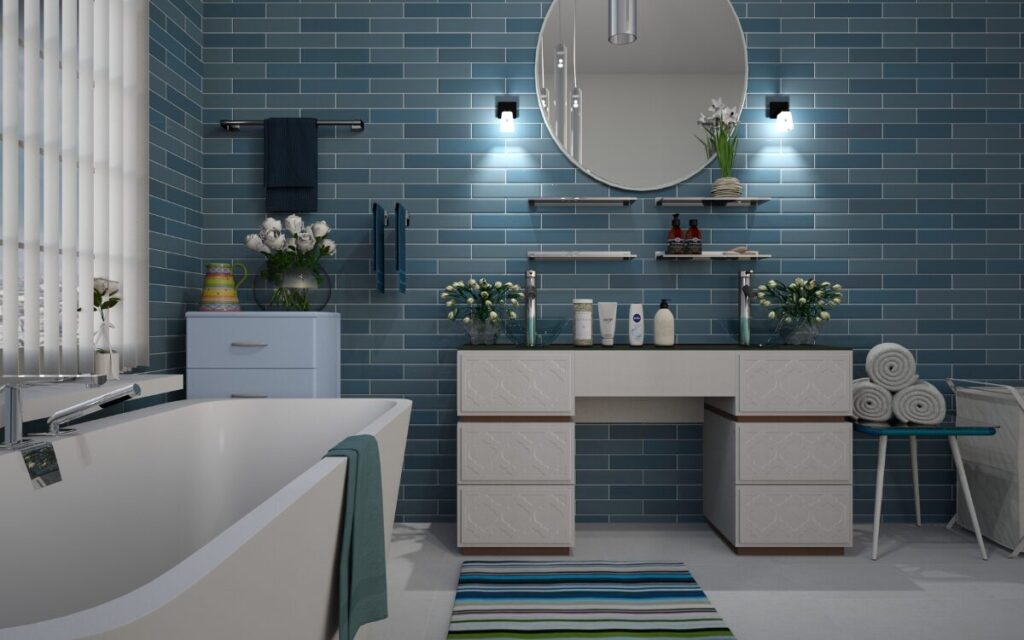
Bathroom drywall differs from standard drywall due to its construction, which often includes materials like foam or plastics to reduce mold and mildew growth while also lowering flammability risks. These features make bathroom drywall an essential component in preventing water damage and maintaining a healthy environment.
Bathroom environments are constantly exposed to steam, humidity, and occasional water splashes, which makes material selection extremely important. Using the right type of sheetrock helps prevent long-term structural damage, peeling paint, and unhealthy mold buildup. It also ensures that walls remain strong and stable even in high-moisture conditions, making the bathroom safer, more durable, and easier to maintain over time.
Why Choosing the Right Sheetrock Matters in Bathroom Walls
When planning a bathroom renovation or new build, selecting the appropriate type of sheetrock for the walls is crucial because bathrooms are areas with frequent moisture exposure. Standard sheetrock used in dry rooms can easily absorb humidity, leading to weakening of the wall surface and potential mold growth over time. For bathrooms, it’s important to use moisture-resistant drywall — often referred to as green board or cement board — which is formulated to withstand the steamy environment created by showers, baths, and sinks. This type of sheetrock not only helps protect the structural integrity of the wall but also provides a more durable substrate for tiles, paint, or other finishes, ultimately supporting a healthier, longer-lasting bathroom space.
Pros and Cons of Bathroom Sheetrock
Pros
- Helps prevent mold growth by resisting water penetration.
- Offers options tailored to specific needs, such as waterproofing or durability.
- Some types reduce flammability risks due to specialized materials.
Cons
- Generally more expensive than standard drywall.
- Requires careful installation to maximize benefits.
Installation Process
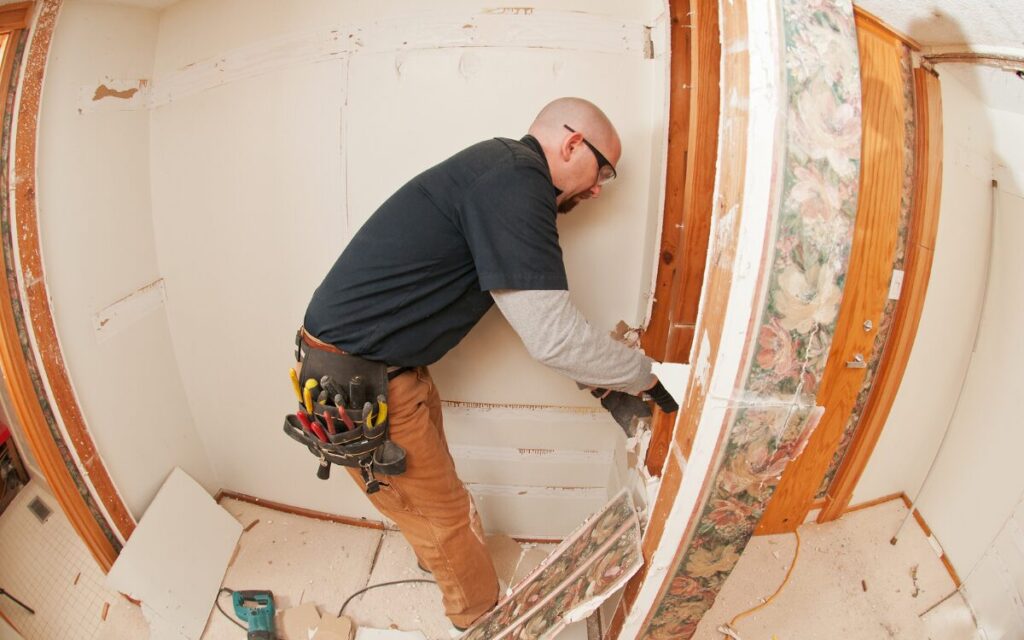
Installing bathroom sheetrock requires precision and attention to detail to ensure long-term performance.
Preparation
Before installation, prepare the area by covering floors and removing old drywall. Ensure that the space is clean and dry to prevent future issues with mold or mildew.
Measuring and Cutting
Accurate measurements are crucial. Use a tape measure to determine the dimensions needed and cut the sheetrock accordingly. Precision here will minimize waste and ensure a snug fit.
Installation Techniques
Align the sheetrock with studs and secure it using screws. Proper alignment ensures structural integrity and helps prevent future issues like warping or cracking.
Sealing Joints and Edges
Apply joint compound and tape to securely seal the seams for a flawless result. This step is vital in preventing moisture from seeping through gaps, which could lead to mold growth over time.
Finishing Touches
After installation, finish your bathroom sheetrock with sanding, painting, and applying final sealants. These steps enhance durability while providing an aesthetically pleasing finish that complements your bathroom design.
Waterproofing Strategies
To further protect your bathroom sheetrock, consider these waterproofing strategies:
Waterproof Membranes
Apply membranes around tubs and showers to prevent moisture penetration.
Moisture-Resistant Primers/Paints
Use these products to add an extra layer of protection against humidity.
Vapor Barriers
Install plastic sheeting behind the drywall to prevent water vapor from penetrating walls.
Sealing Fixtures
Use caulk around plumbing fixtures and edges where water might seep through.
How to Maintain Bathroom Sheetrock?
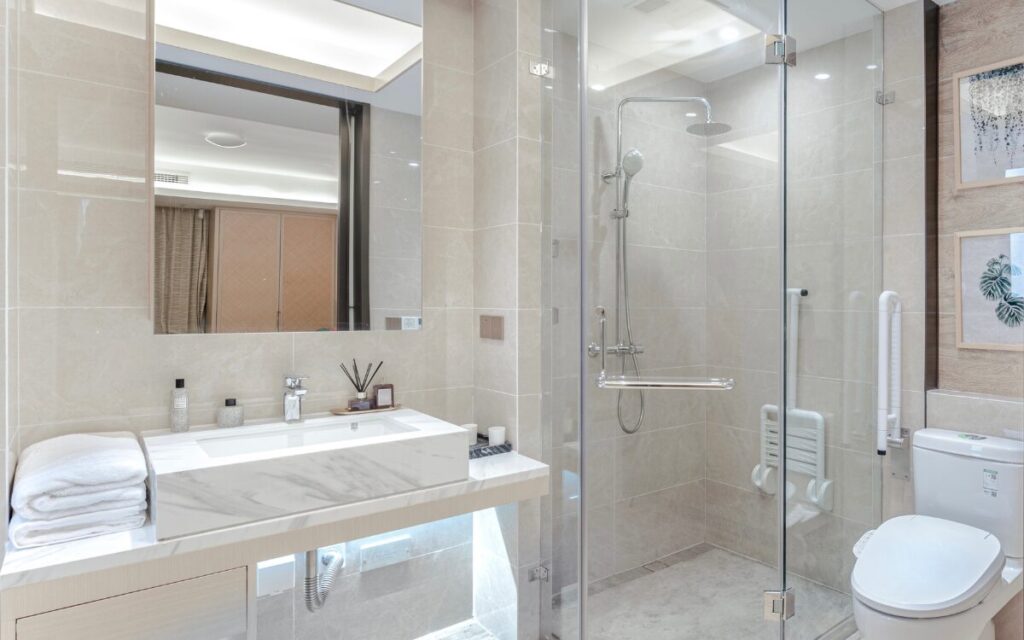
Proper maintenance extends the life of your bathroom sheetrock:
- Paint with glossy, waterproof Paint. This adds extra protection against moisture.
- Wipe walls with a damp cloth and gentle detergent after showers to prevent humidity buildup.
- Keep bathrooms well-ventilated by opening windows regularly.
- Regularly inspect tile grout and paint for dark spots that could indicate mold or leaks.
By following these maintenance tips, you can significantly reduce the risk of mold growth and prolong the life of your bathroom sheetrock.
Common Challenges and Solutions
During installation or maintenance, you may encounter challenges such as measurement discrepancies or uneven walls. To address these:
Measurement Discrepancies
Double-check measurements before cutting.
Uneven Walls
Use shims or leveling compounds to create a smooth surface before installing sheetrock.
Water Damage Prevention
Ensure proper ventilation and address leaks promptly.
Alternative Materials for Bathroom Walls
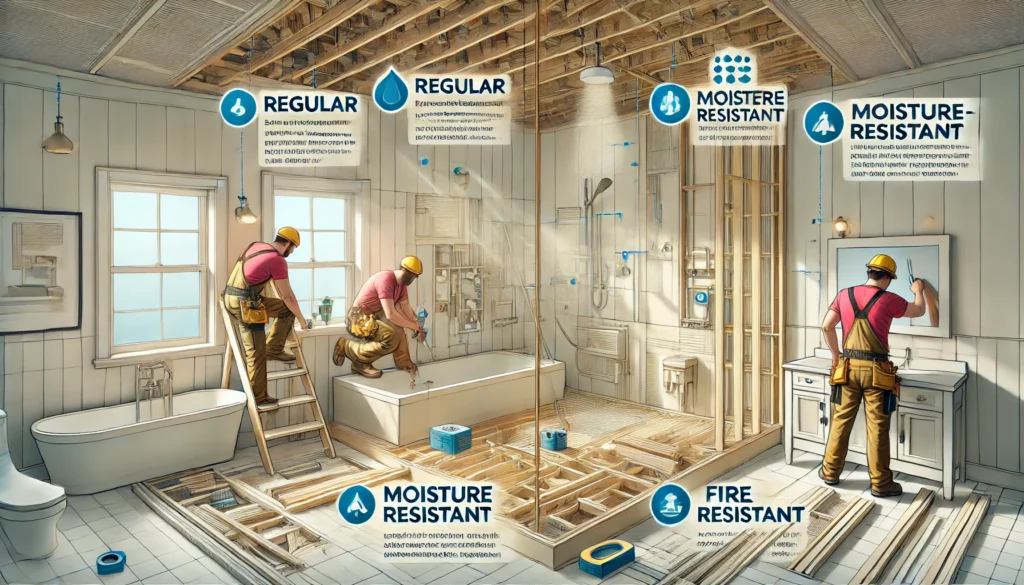
Bathroom walls have several alternatives to traditional sheetrock, offering better water resistance and durability:
Vinyl Panels
Affordable, mold-resistant, and easy to install but lacking a premium finish.
Tile Backer Boards
Durable and ideal for tiled areas but costly and often require professional installation.
Waterproof Wall Panels
Seamless, low-maintenance options that resist leaks but can be expensive.
Fiberglass Panels
Budget-friendly and moisture-resistant but prone to scratches and limited in design variety.
Conclusion
Choosing the right type of bathroom sheetrock involves considering factors like moisture resistance, cost, and installation complexity. By understanding the different types available—such as green board, purple board, cement board, paperless drywall, and blue board—you can make an informed decision that suits your specific needs. Proper installation and maintenance ensure long-term performance, prevent mold growth, and maintain a healthy bathroom environment. Investing in quality bathroom drywall protects your home and enhances its overall value.
If you want to read an interesting article about it, explore our “Bathroom” category.
FAQs
Sheetrock is a specific brand of drywall produced by the United States Gypsum Corporation.
Yes, Sheetrock often uses higher-quality materials compared to general drywall.
Yes, Sheetrock can be installed over plywood, providing a solid backing for fixtures like towel rods, especially in bathrooms.
Moisture-resistant drywall is best for bathrooms because it is designed to handle humidity and reduce moisture damage.
Regular drywall absorbs moisture easily, which can lead to mold growth, wall damage, and reduced durability.