

Gathering around a crackling fireplace brings warmth, comfort, and ambiance to any home during cold weather seasons. However, burning wood produces hidden byproducts that build up in your ventilation flue over time, creating serious health and safety hazards. When local homeowners need thorough flue maintenance, turning to Space Air Duct chimney cleaning ensures that every toxic material, blockage, and structural hazard is safely extracted. Understanding what a certified specialist clears out during a routine appointment helps property owners appreciate the vital role maintenance plays in home safety.
Creosote Buildup: The Primary Fire Hazard
The primary reason to schedule routine chimney care is the removal of creosote. Creosote is a highly flammable byproduct formed when wood smoke cools as it climbs up the flue lining.
The Three Stages of Creosote Buildup
- Stage 1 Creosote: This light, flaky soot forms early on and is easily brushed away during standard sweeping procedures.
- Stage 2 Creosote: This substance appears as crunchy, black flakes that adhere firmly to interior masonry walls.
- Stage 3 Creosote: The most dangerous form presents as a thick, tar-like glaze that coats flue tiles and requires specialized tools or chemical treatments to strip away completely.
As creosote thickens, the risk of a dangerous flue fire increases exponentially. High internal temperatures can ignite these tar deposits, leading to structural damage or house fires.
Flue Blockages and Debris Accumulation
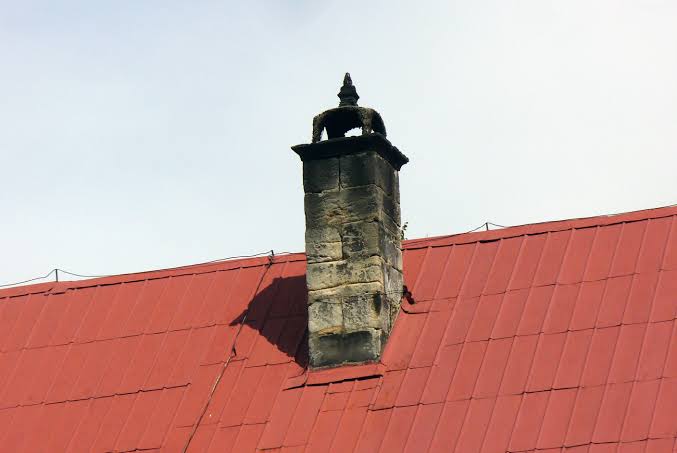
Chimneys remain exposed to the exterior elements year-round, making them ideal landing spots for outdoor debris and wildlife activity. Unobstructed airflow is critical for venting combustion gases safely out of your home.
Common Physical Obstructions Cleared by Professionals
- Animal Nests: Birds, squirrels, raccoons, and bats frequently build nests inside open chimney tops, blocking exhaust channels.
- Leaves and Twigs: Falling branches and autumn leaves accumulate inside the flue stack during stormy weather.
- Drafting Obstructions: Dislodged mortar pieces or broken brick fragments fall into the smoke chamber and restrict airflow.
- Animal Remains: Deceased pests trapped inside un-capped flues create severe odors and dangerous pest infestations.
Clearing these physical blockages ensures toxic gases pass freely through the top of the stack rather than backing up into living spaces.
Key Takeaway: Physical obstructions in your flue act as dams, forcing invisible toxins like carbon monoxide back down into your home. Annual inspections keep these pathways open and safe.
Dangerous Gases and Soot Dust
Combustion produces microscopic soot particles and colorless, odorless gases that compromise indoor air quality. During a sweeping service, industrial vacuums outfitted with HEPA filters capture fine particulates before they can escape into your living room.
| Contaminant Type | Physical Characteristics | Potential Health Hazard |
| Soot Particles | Fine black powdery residue | Respiratory irritation and asthma triggers |
| Carbon Monoxide | Colorless, odorless gas | Toxic poisoning and dizziness |
| Ash Buildup | Fine grey powdery waste | Poor combustion efficiency and messy rooms |
| Acidic Condensate | Corrosive moisture deposits | Masonry degradation and metal liner rust |
Removing these elements protects family members from breathing fine ash and ensures your hearth runs cleanly without spreading dust across furniture.
Glaze, Moisture, and Corrosive Deposits
When moisture mixes with unburned wood resins and sulfur dioxide, acidic compounds form inside the chimney flue. Over time, these corrosive agents attack brickwork, mortar joints, and stainless steel liners.
Professional sweeps inspect and scrape away these corrosive crusts before they eat through structural materials. Preventing water damage and corrosion saves homeowners thousands of dollars in major reconstruction costs down the road.
The Step-by-Step Chimney Cleaning Process
A professional appointment involves much more than simply running a brush up a pipe. Technicians follow strict safety steps to protect your living area while thoroughly cleaning internal surfaces.
- Work Area Preparation: Protective drop cloths and containment barriers cover your hearth and surrounding floors to capture stray soot.
- Visual Inspection: Technicians use high-powered spotlights and specialized digital cameras to evaluate flue lining conditions.
- Mechanical Sweeping: High-grade rotary brushes and flexible rod systems scrub interior flue walls from top to bottom.
- Vacuum Extraction: Continuous negative pressure HEPA vacuuming pulls dislodged creosote and ash directly into sealed collection containers.
- Final Component Check: Specialists clear the smoke shelf, damper plate, and firebox area before conducting a final safety evaluation.
What Space Air Duct Chimney Cleaning Achieves for Your Home
Investing in professional flue care provides benefits that extend far beyond simple soot removal.
Benefits of Regular Service Visits
- Prevent Fireplace Fires: Removing flammable creosote eliminates the main catalyst for structural chimney fires.
- Enhance Heating Efficiency: Clean flues promote stronger draft performance, allowing firewood to burn brighter and longer.
- Protect Indoor Air Quality: Trapping microscopic ash and soot prevents dark stains and irritants from circulating in your home.
- Identify Hidden Structural Issues: Early detection of cracked liner tiles or missing mortar prevents costly structural failures.
Recommended Maintenance Timelines for Homeowners
National safety standards recommend having your flue inspected at least once a year, regardless of how often you light fires. If you burn more than one cord of wood during winter, mid-season sweeping may be required to keep creosote levels under control.
Houses with gas or oil-fueled heating systems also require periodic flue checks to ensure acid condensation has not damaged internal liners or created blockages.
Protect Your Household with Expert Flue Care
A clean chimney allows you to enjoy the warmth and comfort of a home fire with complete peace of mind. Removing creosote, animal nests, soot, and corrosive deposits keeps your property safe and preserves your heating equipment for years to come.
Schedule your annual maintenance visit with experienced professionals who prioritize safety, thoroughness, and customer satisfaction. Clear out hidden hazards today and keep your home protected throughout the winter season.