

Lighting is one of the most overlooked yet impactful elements of interior design. The choice between soft white and warm white lighting can dramatically affect your home’s ambiance, your mood, and even your physical and mental well-being. We break this down further in The Forgotten Corners of Your Home That Lighting Specialists Never Ignore.
Beyond just illuminating a space, the right lighting can influence productivity, relaxation, and social interactions, while poor lighting can lead to eye strain, headaches, and disrupted sleep patterns. Modern homes often feature multiple lighting layers: ambient, task, and accent lighting, making the selection of the correct bulb color and brightness even more critical.
In this comprehensive guide, we’ll explore the key differences between soft white and warm white lighting, their ideal applications for various rooms, the scientific and medical implications of color temperature, and practical, designer-approved tips to help you create a comfortable, stylish, and healthy living environment.
Quick Comparison Table: Soft White vs Warm White Lighting Features
| Aspect | Explanation |
|---|---|
| Soft White Color Temperature | Usually ranges between 2700K and 3000K |
| Warm White Color Temperature | Typically ranges between 3000K and 3500K |
| Soft White Appearance | Produces a soft yellowish glow |
| Warm White Appearance | Emits a slightly brighter and neutral warm tone |
| Best Room for Soft White | Living rooms for a cozy and inviting environment |
| Best Room for Warm White | Kitchens where clear visibility is needed |
| Soft White Mood Effect | Creates a calming and relaxing atmosphere |
| Warm White Mood Effect | Provides a balanced and energizing environment |
| Soft White Eye Comfort | Gentle on the eyes and reduces glare |
| Warm White Eye Comfort | Brighter but still comfortable for daily activities |
| Ideal Soft White Use | Bedrooms and relaxation areas |
| Ideal Warm White Use | Bathrooms and home offices |
| Interior Design Benefit | Enhances room aesthetics and warmth |
| Lighting Layer Tip | Combine ambient, task, and accent lighting |
| Energy Efficient Option | LED bulbs save more electricity |
| LED Energy Savings | LEDs consume up to 80% less power than traditional bulbs |
| LED Lifespan | Can last 15,000–25,000 hours |
| Health Impact | Lighting influences mood and sleep patterns |
| Circadian Rhythm Role | Warm light supports natural sleep cycles |
| Productivity Benefit | Proper lighting improves focus and comfort |
| Smart Lighting Option | Smart bulbs allow adjustable color temperature |
| Lighting Placement Tip | Use under-cabinet lighting for task areas |
| Common Lighting Mistake | Using only one lighting type in all rooms |
| Cost Efficiency | Energy-efficient lighting reduces electricity bills |
| Overall Lighting Goal | Create comfortable, functional, and visually pleasing spaces |
Understanding Color Temperature: What Soft White and Warm White Really Mean
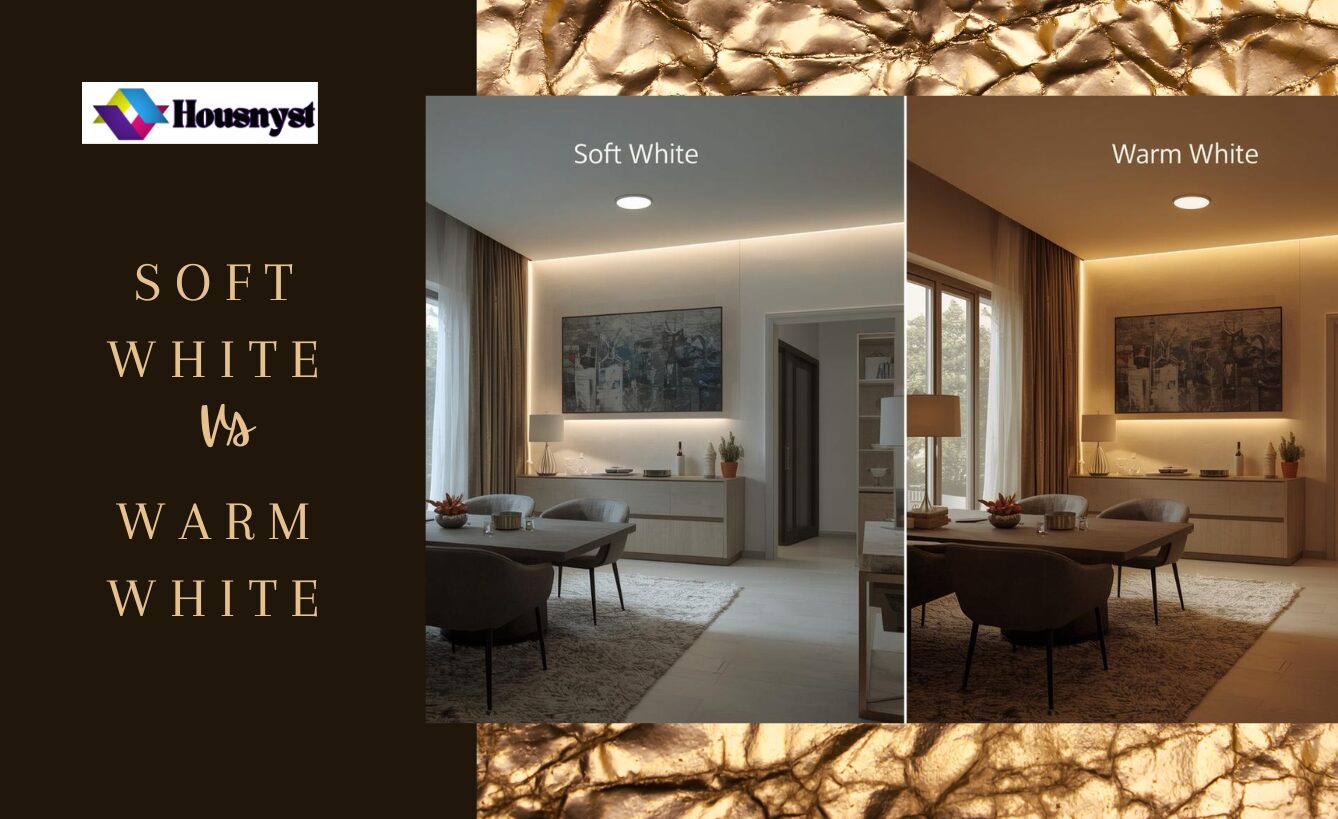
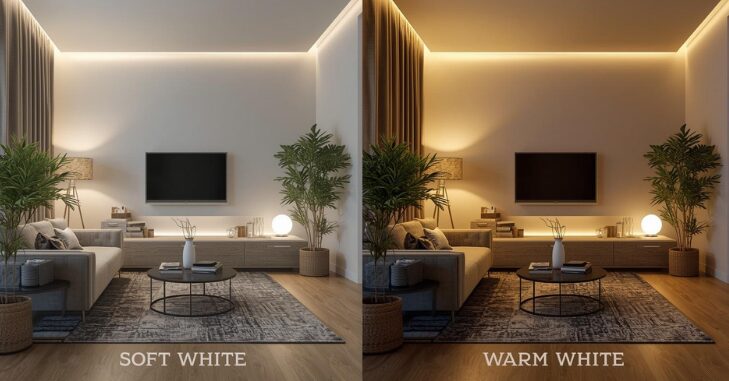
Color temperature, expressed in Kelvins (K), determines the visual tone of a light. Lower Kelvin values produce warmer, yellowish tones, while higher Kelvin values produce cooler, bluish tones.
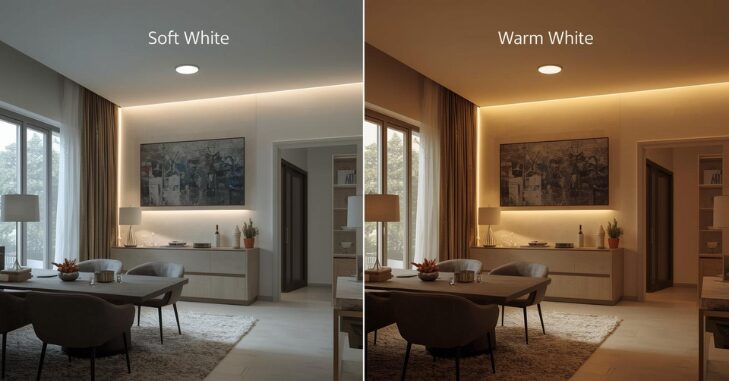
- Soft White (2700K – 3000K): Produces a gentle, slightly yellow light that is comforting and cozy. Well-suited for lounges, bedrooms, and any space where tranquility is important.
- Warm White (3000K – 3500K): Slightly brighter and whiter than soft white, warm White maintains a warm feel while providing better visibility for tasks. Often used in kitchens, bathrooms, and work areas.
Why this matters: Studies show that the color temperature of lighting can affect circadian rhythms, productivity, and even emotional well-being. Warm lighting is often associated with relaxation and stress reduction, while cooler tones can enhance alertness.
Key Differences Between Soft White and Warm White
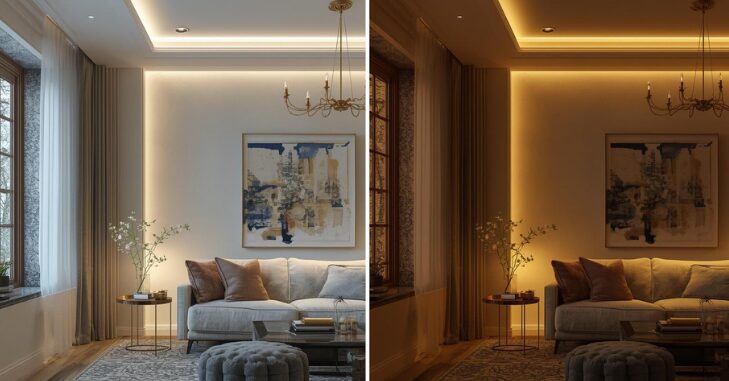
| Feature | Soft White (2700K-3000K) | Warm White (3000K-3500K) |
| Hue | Warm, yellowish | Slightly whiter, neutral warm |
| Ideal Rooms | Bedrooms, living rooms, lounges | Kitchens, bathrooms, home offices |
| Mood Influence | Calming, cozy, relaxing | Balanced, uplifting, energizing |
| Eye Comfort | Gentle on the eyes, reduces glare | Brighter but still soft for prolonged tasks |
| Best Bulb Types | Incandescent, LED soft White | LED warm White, CFL warm white |
How Lighting Affects Mood, Sleep, and Health?
1. Circadian Rhythm and Sleep Quality
The color of light you expose yourself to can directly affect your circadian rhythm, the body’s natural sleep-wake cycle. Warm lighting in the evening signals your brain that it’s time to relax and prepare for sleep, while cool or bright white lighting can suppress melatonin, making it harder to fall asleep.
Medical Fact: A 2019 study published in the Journal of Biological Rhythms showed that exposure to warm-toned light in the evening improves sleep onset latency and enhances sleep quality.
2. Stress Reduction and Relaxation
Soft white lighting produces a warm, soothing glow, which triggers a sense of comfort and reduces stress. This is why many wellness centers and spa facilities opt for soft white lights.
3. Productivity and Alertness
Warm white lighting provides enough brightness to maintain focus without feeling harsh. This makes it ideal for home offices or kitchen workspaces where clarity is important, but a relaxed ambiance is desired. For a closer look, see Does a Two-Story Home Need a Different Holiday Lighting Strategy.
Tips for Choosing Ideal Lighting for Every Space
Living Room
- Goal: Create a cozy, inviting space.
- Recommendation: Soft white lights for ambient lighting, with adjustable lamps for reading.
- Tip: Layer your lighting with floor lamps, table lamps, and ceiling lights to avoid harsh shadows.
Bedroom
- Goal: Promote relaxation and sleep.
- Recommendation: Soft white bulbs are ideal for bedside lamps and overhead fixtures. Avoid cool-toned lights before bedtime.
- Tip: Consider dimmable bulbs to control brightness and encourage a natural wind-down routine.
Kitchen
- Goal: Clear visibility for cooking and prep.
- Recommendation: Warm white lighting for overhead fixtures to balance warmth and clarity.
- Tip: Use task lighting under cabinets for precise tasks like chopping and reading recipes.
Bathroom
- Goal: Bright but comfortable lighting for grooming.
- Recommendation: Warm white bulbs near mirrors. Avoid overly cool lights that create harsh shadows on the face.
Home Office
- Goal: Maintain alertness without eye strain.
- Recommendation: Warm white LED lights for desk areas, supplemented by natural light.
- Tip: Avoid soft white bulbs if too dim; warm White offers the best balance of comfort and focus.
Interior Design Tips Using Soft White and Warm White
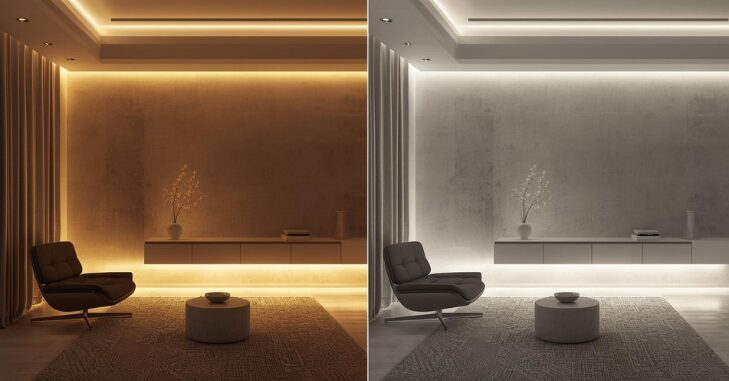
- Layer Your Lighting: Combine ambient, task, and accent lighting to enhance the room’s depth and functionality.
- Match Fixtures to Room Size: Larger rooms may require multiple warm white lights to maintain balanced illumination.
- Use Dimmers: Dimmable bulbs let you adjust lighting to suit your mood or activity.
- Consider Wall Colors: Warm tones like beige or taupe pair beautifully with soft White, while neutral walls work well with warm White.
- Highlight Artwork and Decor: Warm white lights enhance colors in paintings, textiles, and furniture without creating glare.
Energy Efficiency and Modern Lighting Options

Modern LED lighting offers a range of benefits for homeowners choosing between soft white and warm White:
- Save Energy: LEDs Use Significantly Less Electricity Than Traditional Bulbs
- Longevity: LED bulbs last 15,000–25,000 hours, reducing replacement costs.
- Adjustable Color Temperature: Some smart bulbs allow switching between soft white and warm White based on time of day or activity.
Science Fact: According to the U.S. Department of Energy, replacing traditional incandescent bulbs with LED alternatives can save households hundreds of dollars in energy costs annually.
Common Mistakes to Avoid
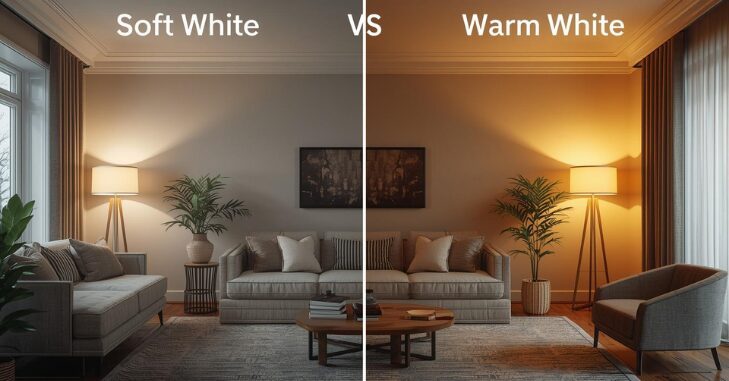
- Using Only One Light Type: Relying solely on soft white or warm White throughout the home can create an unbalanced atmosphere.
- Ignoring Color Temperature Labels: Always check the Kelvin rating on bulbs to ensure the right tone for your space.
- Overly Bright Bulbs: Even warm lighting can feel harsh if the wattage is too high. Consider layering lower-wattage bulbs instead.
- Neglecting Health Impact: Avoid bright white or cool-toned lights in the evening to protect sleep quality.
Conclusion
Choosing soft white and warm white lighting goes beyond aesthetics; it impacts your mood, productivity, sleep, and overall well-being. Soft white creates a cozy, calming environment perfect for bedrooms and living spaces, while warm white balances comfort with clarity, making it ideal for kitchens, bathrooms, and work areas. By understanding color temperature, layering lighting, and considering health implications, you can transform your home into a space that feels inviting, functional, and visually appealing.
Investing time in selecting the right lighting isn’t just about appearance; it’s about enhancing comfort, boosting energy, and supporting your health. Whether you choose soft white or warm White, proper lighting will elevate your home and lifestyle.
If you want to read an interesting article about it, explore our Interior Design category.
Frequently Asked Questions (FAQs)
Yes, layering different light temperatures can add depth and visual interest. Use soft white for ambient lighting and warm White for task lighting.
Warm white bulbs offer the best balance of brightness and comfort, reducing eye strain while keeping a cozy atmosphere.
Energy savings depend on the bulb type. LED soft white bulbs are highly efficient, using far less energy than traditional incandescent soft white bulbs.
Yes, studies show that warm, soft lighting reduces stress and promotes relaxation, while cooler tones boost alertness.
Absolutely. Dimmable bulbs let you adjust brightness based on the time of day, task, and mood, making your lighting versatile and functional.