


Polyester has shrunk and become one of the most popular fabrics in modern clothing and textiles due to its combination of durability, versatility, and affordability. Does Polyester Shrink? From everyday apparel to home furnishings, it offers a practical solution for those seeking long-lasting, low-maintenance materials. Despite its widespread use, many people are unsure about how polyester behaves under different conditions, particularly whether it shrinks or loses its shape.
Understanding the properties of polyester is key to getting the most out of your garments. Its resistance to shrinkage makes it a reliable choice for everyday wear, while its lightweight and durable nature ensures that clothes maintain their shape and appearance over time. Knowing how to care for polyester—including proper washing, drying, and ironing methods—helps prevent damage, preserves color, and extends the fabric’s lifespan.
| Topic | Key Points |
| Introduction | Polyester is durable, versatile, and affordable, and is widely used in clothing and home textiles. Understanding its properties helps maintain garments and prevent shrinkage. |
| What Is Polyester? | Synthetic fiber made from PET; strong, lightweight, resistant to stretching, shrinking, and wrinkling. Blends well with cotton or spandex; long-lasting and practical. |
| Does Polyester Shrink? | Highly shrink-resistant under normal conditions; extreme heat can cause slight shrinkage in blends. Pure polyester: Rarely shrinks. Polyester blends may shrink slightly at high temperatures. Heat sensitivity: Fibers can warp or melt. Ironing: Use low/medium heat |
| How to Prevent Shrinking | Wash in cold/warm water. Use gentle cycles. Air-dry or low-heat tumble dry. Avoid high-heat ironing. Follow care labels. |
| Handling Slight Shrinkage | Soak in lukewarm water with fabric conditioner. Gently stretch a wet garment. Air dry flat, away from sunlight. |
| Common Myths | Polyester shrinks easily. High heat won’t affect it. All blends shrink the same – |
| Benefits Beyond Shrink Resistance | Quick-drying (ideal for activewear), Colorfast and retains vibrancy, Lightweight, strong, and durable. Maintains shape and resists wrinkles. |
| Long-Term Care | Avoid direct sunlight. Store in a cool, dry place. Use recommended washing practices. Air-dry or low-heat drying. Low- to medium-heat ironing with a pressing cloth. Regular maintenance keeps garments fresh and long-lasting. |
| When to Replace Garments | Worn fibers, pilling, or loss of elasticity indicate the need for replacement. Replace to maintain the comfort, appearance, and functionality of the wardrobe. |
What Is Polyester Shrink?
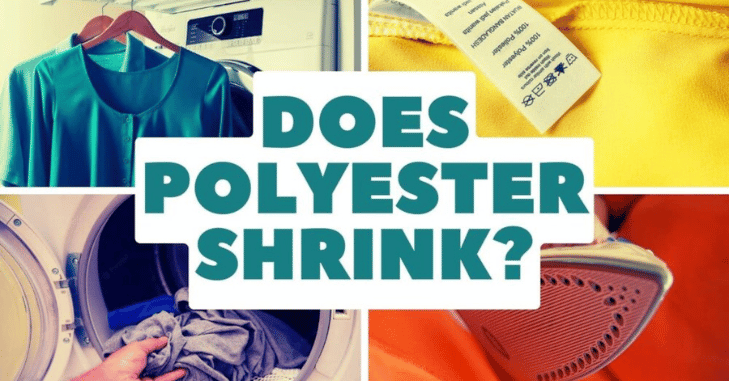
Polyester is a synthetic fiber made from petroleum-based chemicals, primarily polyethylene terephthalate (PET). Unlike natural fibers like cotton or wool, polyester is engineered to be strong, lightweight, and resistant to stretching, shrinking, and wrinkling. Does Polyester Shrink, Its popularity stems from a combination of practicality and versatility. Polyester is affordable, making it accessible for everyday clothing and home textiles without compromising quality.
Its long lifespan ensures that garments maintain their shape and color over time, resisting wear and tear better than many natural fibers. Additionally, polyester blends seamlessly with fabrics such as cotton and spandex, enhancing comfort, stretch, and durability. This unique combination of affordability, resilience, and adaptability has made polyester a staple in wardrobes and households worldwide.
Does Polyester Shrink?
Polyester is highly resistant to shrinking compared to natural fibers. Under normal washing conditions, polyester generally maintains its shape and size. However, extreme heat can cause shrinkage, especially when polyester is blended with natural fibers like cotton.
- Pure polyester: Rarely shrinks under standard washing or drying.
- Polyester blends: Fabrics with cotton or wool may shrink slightly if exposed to high heat.
- Heat sensitivity: Polyester fibers can melt or warp under very high temperatures, causing a kind of shrinkage or deformation.
- Ironing caution: Always use low to medium heat when ironing polyester to prevent damage.
How to Prevent Polyester from Shrinking?
Preventing polyester from shrinking is all about handling it with care and avoiding excessive heat. Always wash polyester garments in cold or warm water, as hot water can increase the risk of shrinkage, especially in polyester blends. Using gentle or delicate washing cycles helps reduce stress on the fibers, preserving the fabric’s shape. After washing, air-drying is the safest option, though a low-heat tumble dry can also work if necessary.
How to Handle Slightly Shrunken Polyester?
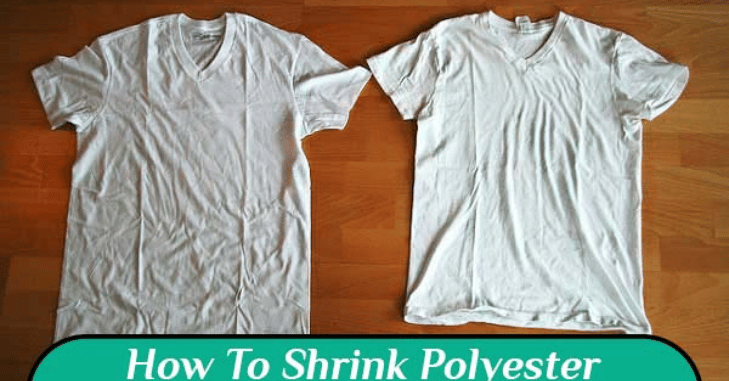
If your polyester garment has shrunk slightly, there are effective ways to restore its shape. Start by soaking it in lukewarm water mixed with a gentle fabric conditioner for 10–15 minutes to relax the fibers. While the fabric is still wet, gently stretch it back to its original dimensions, taking care not to pull too hard.Finally, lay the garment flat to air dry, avoiding direct sunlight, which can damage or fade the material. By following these simple steps, you can often rescue slightly shrunken polyester and keep your clothing looking fresh and well-fitted.
Common Myths About Polyester Shrinking
- Polyester shrinks easily: Polyester is one of the most shrink-resistant fabrics.
- High heat won’t affect polyester: Extreme heat can deform polyester fibers.
- All polyester blends shrink the same: Shrinkage depends on the ratio of polyester to natural fibers.
Benefits of Polyester Beyond Shrink Resistance

Polyester isn’t just resistant to shrinking—it offers a wide range of practical advantages that make it one of the most versatile fabrics available. One of its standout features is its quick-drying nature, which makes it ideal for sportswear, activewear, and outdoor clothing, allowing athletes and everyday users to stay comfortable even during intense physical activity.Polyester is also highly colorfast, retaining vibrant hues even after multiple washes, helping garments look new for longer and reducing the need for frequent replacements.
Beyond its aesthetic benefits, polyester is both lightweight and strong, providing durability without adding bulk, making it perfect for everything from casual wear to work uniforms.Its ability to hold shape and resist wrinkling makes polyester an exceptionally low-maintenance fabric. Whether it’s everyday workwear, casual outfits, or formal attire, polyester-based garments stay looking crisp and polished with minimal effort.
Caring for Polyester in the Long Term
- Avoid direct sunlight: Prolonged UV exposure can weaken fibers and fade colors.
- Store properly: Keep polyester garments in a cool, dry place to prevent mildew and odors.
- Follow proper washing practices: Use recommended water temperature and gentle cycles to maintain fabric integrity.
- Dry carefully: Air-dry or use low-heat settings to avoid fiber damage.
- Iron with caution: Use low to medium heat and a pressing cloth to preserve the fabric’s shape and texture.
- Regular maintenance: Consistent care helps polyester garments stay fresh, vibrant, and long-lasting.
When to Replace Polyester Garments
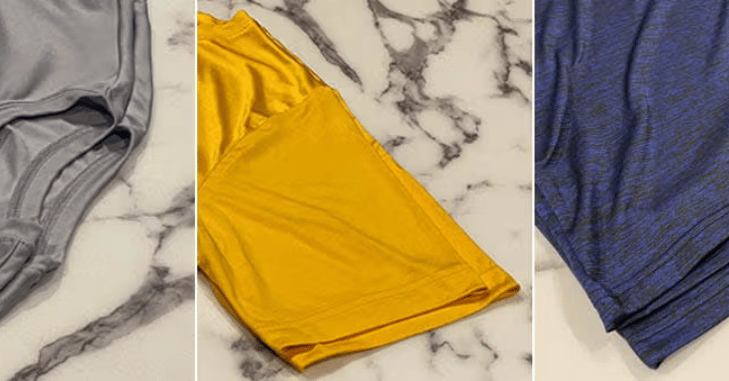
While polyester is durable, it isn’t indestructible. Over time, repeated exposure to high heat, harsh chemicals, or mechanical stress may cause fibers to weaken and pills to lose elasticity. If a garment shows visible signs of wear, permanent shrinkage, or fabric distortion that cannot be restored, it’s best to replace it.By replacing worn or damaged polyester garments when needed, you ensure that your wardrobe remains both practical and visually appealing.
Maintaining clothing in good condition helps preserve comfort, prevents irritation from stretched or pilled fabrics, and keeps your outfits looking sharp and well-fitted. This proactive approach not only extends the overall life of your wardrobe but also ensures that your clothing continues to perform its intended function, whether for everyday wear, work, or special occasions.
In conclusion, polyester stands out as one of the most reliable synthetic fabrics due to its strong resistance to shrinking, ease of maintenance, and long-lasting performance. While it is not completely immune to heat-related damage, proper care such as washing in cool water and avoiding high temperatures helps preserve its original shape and quality. Whether used in clothing or home textiles, polyester continues to be a practical choice for people seeking durability, affordability, and low-maintenance fabric solutions in everyday life.
Conclusion
Polyester is a resilient and versatile fabric that rarely shrinks when properly cared for. Its ability to retain shape, vibrant colors, and durability makes it an ideal choice for a wide range of clothing and home textiles. Does Polyester Shrink? By following proper washing, drying, and ironing practices, avoiding excessive heat, and addressing minor shrinkage carefully. You can ensure your polyester garments remain comfortable, stylish, and functional for years.
Recognizing when to replace worn or damaged polyester garments is just as important as proper care. Even the most durable fabrics can lose their shape, elasticity, or color over time, and keeping such items in your wardrobe can affect both comfort and appearance. By replacing worn pieces promptly, you ensure that your clothing remains functional, stylish, and ready for everyday use. When combined with proper washing, drying, and storage practices, polyester remains a practical, low-maintenance, and long-lasting solution, making it an ideal choice for casual wear, work attire, and special occasions alike.
If you want to read an interesting article about it, explore our Fashion category.
FAQs
Compared to cotton, polyester is more resistant to shrinkage. Polyester clothing rarely shrinks much unless you intentionally try to. If you’re concerned, you might try drying it on medium heat instead of high, and you probably won’t notice any shrinkage.
Polyester can be dried on a cool-to-medium setting. Polyester can be steamed or ironed on low, but the dryer won’t generate wrinkles. Polyester can be air-dried or tumble-dried at a moderate temperature. In general, polyester doesn’t wrinkle.
Polyester shrinks in hot water because of its synthetic origin, which also gives it strength. Controlled heat-shrinking can make oversized clothing fit perfectly, even when undesirable shrinkage occurs.
The only effective method for compressing these synthetic fibers, even a little, is heat (plus water). To get a little shrinking out of polyester or spandex clothing, many do-it-yourself manuals recommend using the highest water setting in your washing machine and a high-heat dryer cycle.
Compared with synthetic fibers, natural fibers, including cotton, wool, silk, linen, and hemp, are more likely to shrink. Depending on the quality and cotton blend, the most pliable cotton fibers might shrink by up to 20%. Conversely, polyester shrinks.