

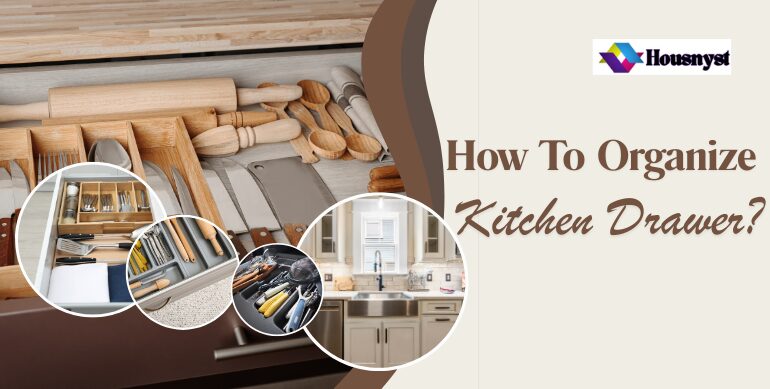
A messy kitchen drawer can make cooking feel stressful, frustrating, and time-consuming. Learning how to organize kitchen drawers effectively can transform your cooking experience, saving time, reducing stress, and creating a more functional and enjoyable kitchen. Over time, these small annoyances add up, turning your kitchen into a source of daily stress rather than a place of creativity and nourishment. But the good news is that an organized kitchen is not just about having everything “look nice”; it transforms how you cook, eat, and even live.
Well-organized drawers save time, reduce mental clutter, improve safety, and promote healthier cooking habits. They help you develop a smoother workflow, so every cooking session feels efficient and enjoyable. This guide will show you how to organize kitchen drawers step by step, providing practical strategies, tips, and ideas that anyone can implement.
Key Highlights of How to Organize Kitchen Drawers
| Purpose of Organization | Improves kitchen efficiency and daily workflow |
| Main Goal | Create a functional, clutter-free kitchen space |
| First Step | Empty all drawers completely |
| Decluttering | Remove unused, broken, or duplicate items |
| Cleaning | Wipe and sanitize drawers before organizing |
| Categorization | Group similar items together |
| Drawer Zoning | Assign each drawer a specific purpose |
| Use of Dividers | Keeps items separated and easy to access |
| Storage Strategy | Arrange items based on frequency of use |
| Space Optimization | Use vertical and smart storage techniques |
| Labeling | Helps maintain long-term organization |
| Daily Maintenance | Spend a few minutes resetting drawers |
| Minimalist Approach | Keep only essential kitchen tools |
| Work Triangle Concept | Place items based on the cooking workflow |
| One-Touch Rule | Return items immediately after use |
| Seasonal Rotation | Store rarely used items separately |
| Custom Layout | Adjust drawers based on personal needs |
| Cutlery Organization | Use sections for spoons, forks, and knives |
| Utensil Storage | Arrange tools like spatulas and tongs neatly |
| Spice Organization | Store spices for easy visibility |
| Junk Drawer Control | Limit and organize miscellaneous items |
| Common Mistakes | Avoid overfilling and mixing items |
| Mental Benefits | Reduces stress and improves focus |
| Physical Benefits | Encourages healthier home cooking |
| Long-Term Success | Consistent habits keep drawers organized |
Why Organizing Kitchen Drawers Matters?

Kitchen organizations are not only about appearance. It directly affects how your brain processes information and how efficiently you complete tasks. Clutter creates mental overload. When drawers are disorganized, your brain must scan multiple items at once. This slows down decision-making and increases frustration. On the other hand, an organized environment allows your brain to work faster and with less effort.
In simple terms:
A cluttered drawer creates confusion.
An organized drawer creates clarity and control.
Benefits of Organizing Kitchen Drawers
1. Faster Cooking and Meal Preparation
When tools are easy to find, you reduce preparation time. You move smoothly from one step to another without interruption.
2. Reduced Stress and Better Focus
A clean environment supports mental calmness. It helps you stay focused and enjoy the cooking process.
3. Improved Kitchen Safety
Storing sharp objects properly lowers the risk of cuts and accidents. Organized drawers also prevent overcrowding, which can lead to injuries.
4. Less Waste and Smarter Spending
When your kitchen is organized, you know what you already have. This prevents the purchase of duplicate items and reduces unnecessary spending.
5. A More Organized Lifestyle
A structured kitchen builds discipline. It encourages you to maintain cleanliness and stay organized in other areas of life.
6. Better Time Management
An organized kitchen saves several minutes every day. Over time, this adds up and improves your overall productivity.
Step-by-Step Guide: How to Organize Kitchen Drawers
Step 1: Empty All Drawers
Remove everything from your drawers. This helps you see all items clearly and gives you a fresh start.
Tip: Clean the drawers before putting items back. This improves hygiene and keeps your kitchen fresh.
Step 2: Declutter Unnecessary Items
Go through each item carefully:
- Remove broken or damaged tools.
- Get rid of items you rarely use.
- Donate duplicates.
Decluttering is the most important step. It creates space and makes organization easier.
Step 3: Deep Clean and Sanitize
Before reorganizing, clean your drawers properly:
- Wipe with a mild cleaner.
- Dry completely to prevent moisture.
- Use liners if needed.
This step improves hygiene and prevents bacteria from building up.
Step 4: Group Similar Items Together
Divide items into categories:
- Everyday utensils.
- Cooking tools.
- Baking equipment.
- Specialty gadgets.
Grouping reduces search time and improves efficiency.
Step 5: Assign Each Drawer a Purpose
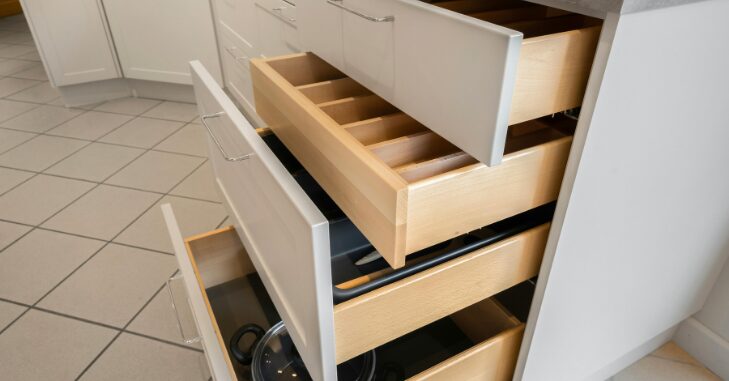
Each drawer should serve one function. For example:
- Top drawer → Daily utensils.
- Middle drawer → Cooking tools.
- Bottom drawer → Large or rarely used items.
This system creates structure and reduces confusion.
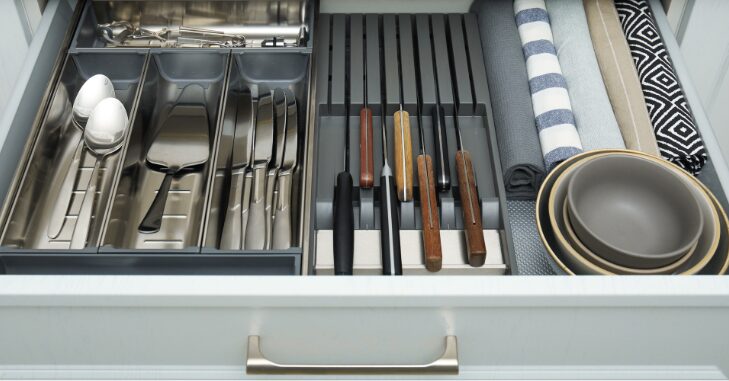
Step 6: Use Drawer Dividers and Organizers
Dividers keep items in place and prevent mixing.
Benefits include:
- Better visibility.
- Easy access.
- Long-term organization.
You can use adjustable dividers or simple containers at home.
Step 7: Arrange Items by Frequency of Use
Place items based on how often you use them:
- Daily items → Easy-to-reach drawers.
- Weekly items → Medium-access drawers.
- Occasional items → Lower or back areas.
This reduces unnecessary movement and saves time.
Step 8: Maximize Space Efficiently
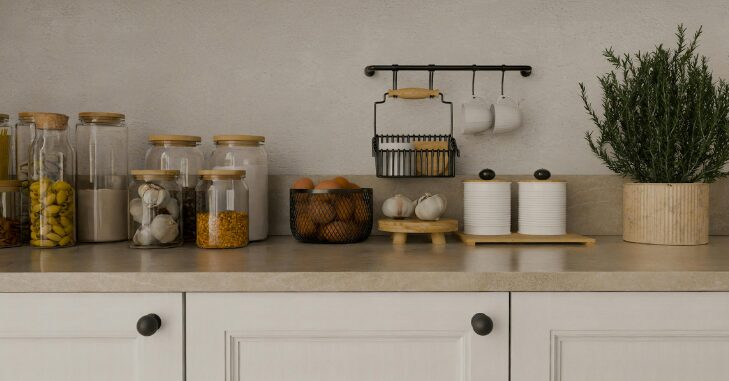
Use smart storage techniques:
- Store items vertically when possible.
- Stack similar tools neatly.
- Use corner spaces wisely.
Avoid overcrowding. Leave some space for easy access.
Step 9: Label for Easy Identification
Labels are helpful, especially in busy households.
- Use simple names.
- Keep labels clear and visible.
This helps everyone maintain the system.
Step 10: Build a Daily Maintenance Habit
Spend a few minutes daily to keep drawers organized:
- Return items after use.
- Remove unnecessary clutter.
- Keep drawers clean.
Small habits prevent big messes.
Advanced Organization Tips for Maximum Efficiency
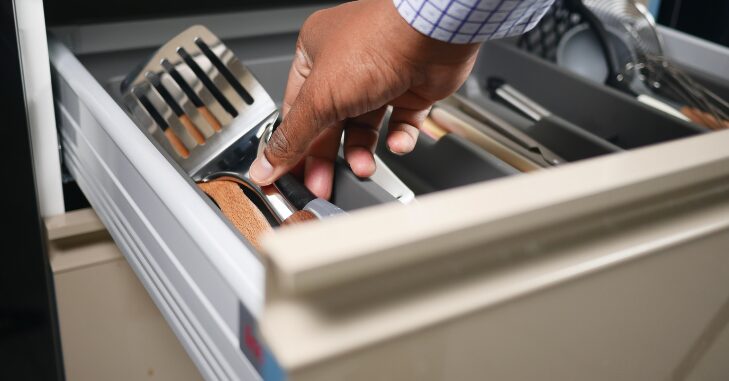
1. Use the “Work Triangle.” Concept
Arrange tools based on your kitchen workflow. Keep utensils close to the stove, knives near the prep area, and serving tools near the dining space.
2. Apply the “One-Touch Rule.”
Handle items only once. After using a tool, place it back immediately instead of leaving it on the counter.
3. Rotate Seasonal or Rarely Used Items
Store rarely used items in less accessible drawers. Rotate them when needed.
4. Customize Your Drawer Layout
Every kitchen is different. Adjust your drawer setup based on your cooking habits and lifestyle.
Another important but often overlooked step in organizing kitchen drawers is understanding your cooking habits before rearranging anything. Every household uses its kitchen differently, so a one-size-fits-all system rarely works in the long term. For example, frequent home cooks may need quick access to knives, cutting boards, and everyday utensils, while occasional cooks may prioritize storage for gadgets and specialty tools. By analyzing what you use most often and where you naturally stand while cooking, you can design a drawer layout that matches your real workflow. Our guide to Why Do Luxury Interior Designers Always Start with Your Lifestyle covers this in more detail.
This personalized approach ensures that your organizational system doesn’t just look good on day one but remains practical, intuitive, and easy to maintain over time.
Drawer Organization Ideas for Different Kitchen Items
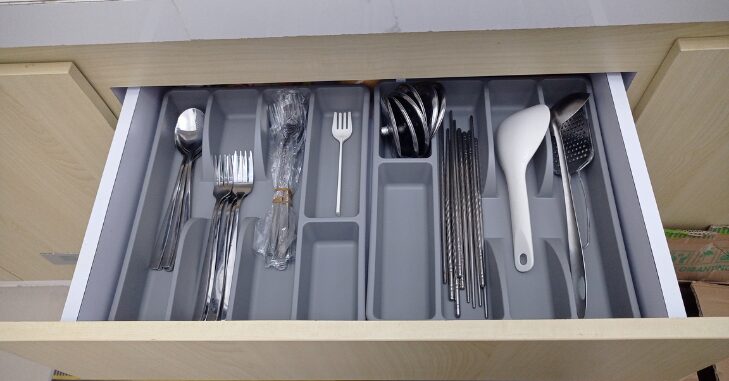
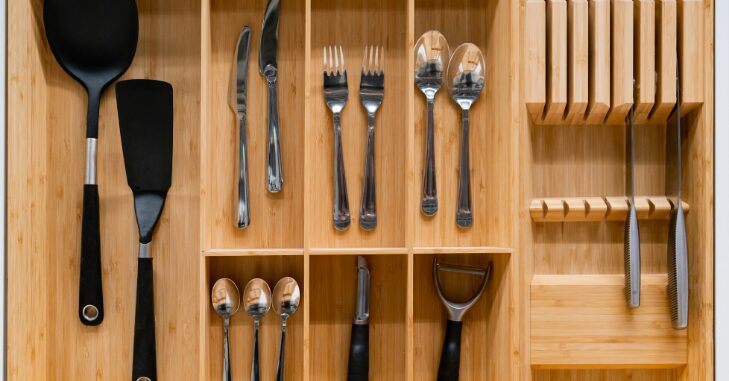
Cutlery Drawer
Use section dividers to separate spoons, forks, and knives. Keep frequently used items in front.
Utensil Drawer
Store spatulas, ladles, and tongs neatly. Use longer compartments for better arrangements.
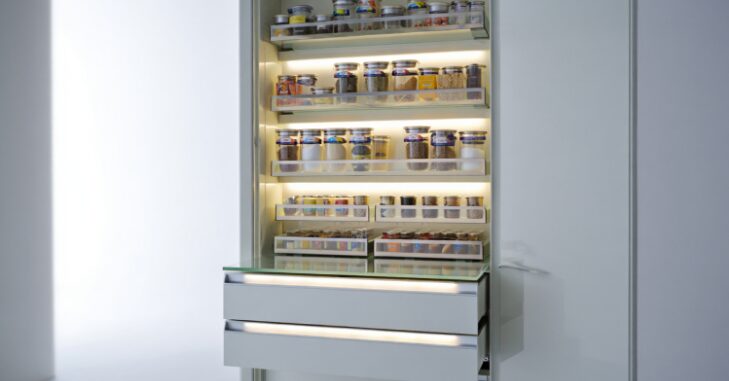
Spice Drawer
Arrange spices in rows or angled racks for easy visibility.
Junk Drawer (If Necessary)
Limit this drawer to essential items only. Use small compartments to avoid clutter.
Common Mistakes to Avoid

- Overfilling drawers.
- Keeping unused or broken items.
- Mixing unrelated tools.
- Ignoring regular cleaning.
- Not using storage solutions.
Avoiding these mistakes ensures long-term organization.
How Organized Drawers Improve Health and Lifestyle?
Mental Benefits
- Reduces stress and anxiety.
- Improves focus and clarity.
- Creates a sense of control.
Physical Benefits
- Encourages home cooking.
- Supports healthier eating habits.
- Reduces dependence on processed food.
Lifestyle Benefits
- Saves time daily.
- Builds discipline and consistency.
- Creates a calm and welcoming home environment.
Long-Term Maintenance Strategies
- Review your drawers every month.
- Remove unused items regularly.
- Keep surfaces clean and clutter-free.
Consistency is the key to maintaining an organized kitchen.
Quick Tips for Long-Term Success
- Keep only essential tools.
- Avoid impulse buying.
- Use simple and practical storage solutions.
Conclusion
Learning how to organize kitchen drawers is a simple but powerful way to improve your daily life. It helps you cook faster, reduces stress, and creates a more functional kitchen. By following practical steps like decluttering, categorizing, and maintaining daily habits, you can transform your kitchen into an efficient and peaceful space. Over time, these small changes lead to better routines, improved health, and a more organized lifestyle.
Start with one drawer today. Stay consistent.
And enjoy a kitchen that truly works for you.
If you want to read an interesting article about it, explore our Kitchen category.
Frequently Asked Questions (FAQs)
Deep cleaning every 2–3 months is ideal, with daily maintenance for best results.
Use dividers, minimize the number of items, and avoid overcrowding.
They are not required, but they make the organization much easier and more effective.
Use boxes, containers, or DIY dividers to create sections.
It helps you cook more efficiently, lowers stress, and makes mealtime a more pleasant experience.