

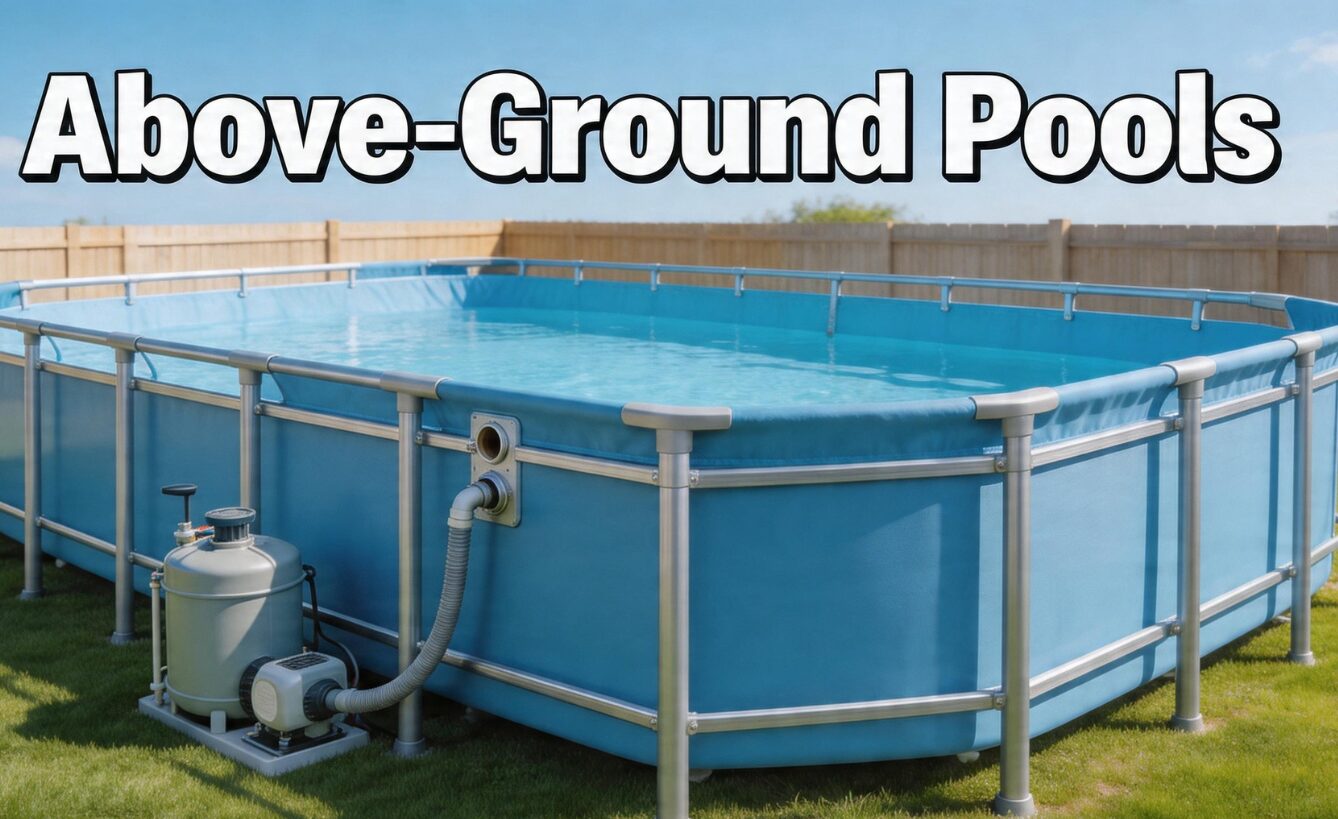
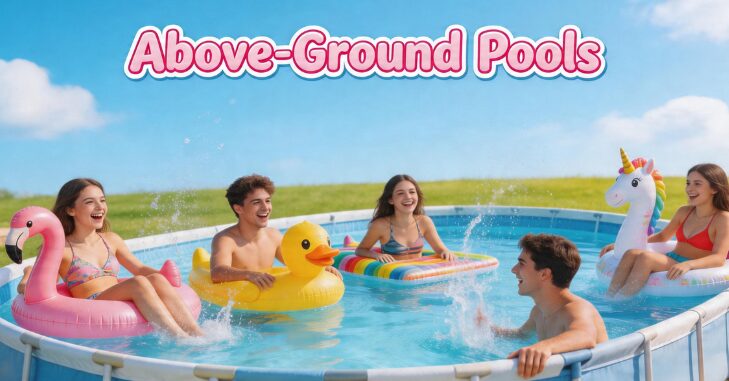
Above-ground pools are a popular and practical alternative to traditional in-ground swimming pools, offering an affordable and convenient way to enjoy swimming at home. Designed to be installed directly on the ground surface, these pools require less construction work, lower costs, and minimal installation time, making them suitable for a wide range of households.
Available in various types, including steel frame, resin, hybrid, and inflatable models, they cater to budgets, space requirements, and lifestyle needs. With durable materials like galvanized steel, resin, aluminum, and vinyl liners, these pools have become more reliable and long-lasting over time. For a closer look, see Choosing the Best Materials for Dock Decking.
From easy installation and maintenance to safety benefits and cost efficiency, they provide a complete recreational solution for families seeking comfort and enjoyment without the complexity of permanent pool construction.
| Category | Details |
| Topic | Above-Ground Pools |
| Types | Steel frame, resin, hybrid, inflatable/soft-sided |
| Materials Used | Galvanized steel, resin, aluminum, vinyl liner |
| Main Benefits | Affordable, easy installation, portable, low maintenance, safer for children |
| Installation Steps | Surface preparation, frame assembly, liner installation, filling & setup |
| Cost Range | Low (inflatable) to high (resin/hybrid); still cheaper than in-ground pools |
| Maintenance | Cleaning, chemical treatment, filtration system care, and liner inspection |
| Safety Features | Pool covers, fencing, ladder removal, supervision |
| Comparison | Cheaper and more flexible than in-ground pools, but less customizable |
| Usage | Homes, small families, seasonal or recreational use |
Above-Ground Pools
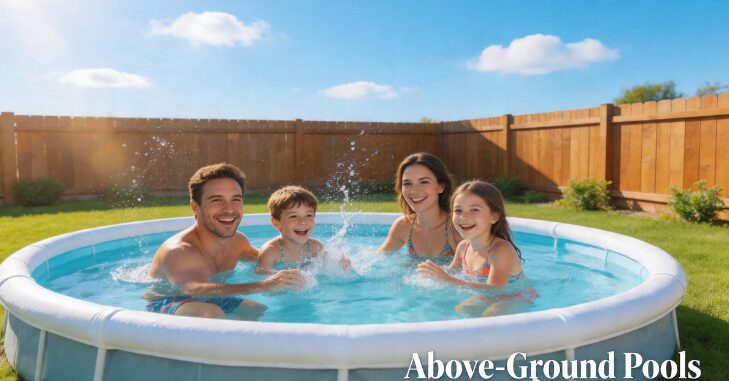
Above-ground pools have become one of the most popular and affordable ways to enjoy swimming at home. Unlike traditional in-ground pools that require heavy construction and high costs, these pools are designed to be installed above ground, making them easier to set up and more budget-friendly.
They are widely used in homes, vacation properties, and recreational spaces because they offer convenience, flexibility, and enjoyment without long-term construction commitments. Over the years, improvements in design and materials have made these pools more durable, stylish, and suitable for different climates and family needs.
Types
Steel Frame Pools
Above-ground pools come in several types, each designed to meet different preferences, budgets, and space requirements. One of the most common types is the steel-frame pool, known for its strength and long lifespan. These pools are supported by galvanized steel walls and frames, making them highly stable and durable.
Resin Pools
Another popular option is the resin pool, made from high-quality plastic. Resin pools are resistant to rust and corrosion, making them ideal for areas with high humidity or frequent rain. They also tend to stay cooler in sunlight than metal-based pools.
Hybrid Pools
There are also hybrid pools that combine steel and resin to provide both strength and durability. These pools are designed to balance cost and performance, offering a middle-ground option for homeowners.
Inflatable or Soft-Sided Pools
Finally, inflatable or soft-sided pools are the most affordable and temporary type. These pools are easy to set up and take down, making them ideal for seasonal use or small families. However, they are less durable compared to other types.
Materials Used
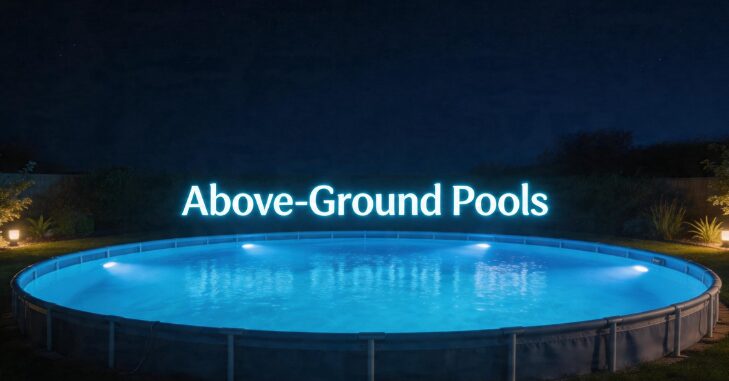
- The materials used in above-ground pools play a major role in their durability, appearance, and maintenance requirements.
- Galvanized steel is one of the most commonly used materials. It is strong, provides excellent structural support, and is often coated to prevent rust and extend lifespan.
- Resin materials are another popular choice. Resin is a heavy-duty plastic that does not rust or corrode and is more heat-resistant, making it suitable for hot climates. It is commonly used in ladders, frames, and top rails.
- Aluminum is also used in some pools. It is lightweight yet strong and rust-resistant, making it a durable long-term option, though it is generally more expensive.
- The vinyl pool liner holds the water and is an essential component. It is flexible, smooth, and available in different designs and thickness levels, with thicker liners offering better durability against tears and punctures.
Benefits
Above-ground pools offer several important advantages that make them a popular choice among homeowners. One of the main benefits is affordability: they cost significantly less than in-ground pools, both to purchase and to install. They are also easy to install because they do not require digging or heavy construction work and can often be set up within a short time.
Another advantage is their portability, allowing owners to move or remove them if needed, which is especially useful for renters. Maintenance is also simpler due to their smaller size and easier water management. In addition, these pools offer improved safety, particularly for families with children, as their raised structure helps reduce the risk of unsupervised access.
Installation Process and Requirements
Surface Preparation
Installing an above-ground pool requires careful preparation to ensure stability and safety. The first step is selecting a flat and level surface, as uneven ground can cause structural issues. Many homeowners use sand or a prepared base to create a smooth foundation.
Frame Assembly
Once the ground is prepared, the pool frame is assembled according to the manufacturer’s instructions. This includes setting up the walls, supports, and frame structure.
Liner Installation
After the frame is complete, the vinyl liner is carefully installed inside the structure. It must be fitted properly to avoid wrinkles or gaps that could affect water-holding capacity.
Filling and Final Setup
After installation, the pool is gradually filled with water while adjustments are made to ensure the liner is properly positioned. Finally, filtration systems and accessories such as ladders and pumps are connected to complete the setup.
Importance of Proper Installation
Proper installation is essential because it directly affects the pool’s durability and safety. Poor setup can lead to leaks, uneven pressure, or structural damage.
Cost
The cost of these pools varies depending on size, material, and quality. On average, small inflatable pools are the most affordable, while larger steel or resin models are more expensive.
Basic inflatable pools can cost very little, making them suitable for temporary or seasonal use. Mid-range steel-frame pools are moderately priced and offer greater durability and size options. High-end resin or hybrid pools are more expensive but provide a longer lifespan and better resistance to environmental damage.
In addition to the pool itself, installation costs, maintenance equipment, and accessories should also be considered. Items such as pumps, filters, ladders, and covers add to the overall investment. However, even with these additional costs, these pools remain significantly cheaper than in-ground pools.
Maintenance and Cleaning

- Maintaining an above-ground pool is essential to ensuring clean water and long-lasting performance. Regular cleaning involves removing debris, such as leaves and dirt, using a net or a skimmer. The water also needs to be treated with chemicals, such as chlorine, to prevent bacterial and algal growth.
- The filtration system plays a key role in keeping the water clean. It should be checked regularly and cleaned or replaced when necessary. Pool liners should also be inspected for any signs of damage or leaks.
- Proper maintenance not only keeps the pool safe for swimming but also extends its lifespan. Neglecting maintenance can lead to water contamination and structural issues over time.
Safety Measures
Safety is an important aspect of owning an above-ground pool. Installing a secure ladder and removing it when the pool is not in use can help prevent unauthorized access. Pool covers are also recommended to keep children and pets safe.
Fencing around the pool area adds an extra layer of protection, especially in households with young children. It is also important to supervise swimmers at all times and avoid unsafe behavior such as running near the pool.
Following basic safety rules ensures a secure and enjoyable swimming environment for everyone.
Advantages Compared to In-Ground Pools
Cost Advantage
Above-ground pools offer several advantages over in-ground pools. The most obvious difference is cost, as these pools are much more affordable. They also require less time and effort to install.
Flexibility and Portability
In-ground pools are permanent structures, while these pools offer flexibility and can be removed or relocated if needed. This makes them a more convenient option for many homeowners.
Maintenance and Upkeep
Maintenance is generally easier and less expensive for these pools because they are smaller and simpler than in-ground pools.
Design and Aesthetic Differences
However, in-ground pools may offer greater customization and aesthetic appeal, while above-ground pools remain the more practical choice for many families due to their convenience and affordability.
Conclusion
In conclusion, these pools offer a versatile, cost-effective, and user-friendly swimming solution for homeowners. Their variety of types, durable material options, and straightforward installation process make them accessible to people with different needs and budgets.
Compared to in-ground pools, they stand out for their affordability, flexibility, and easier maintenance, while still providing a safe and enjoyable swimming experience. With proper installation, regular cleaning, and basic safety measures, above-ground pools can deliver long-term value and recreation.
Overall, they remain a practical choice for families who want to enjoy the benefits of a swimming pool without the high costs and permanent commitment of traditional pool construction.
Want to know about How to Organize Laundry Room? Check out our Basements category.
FAQs
Above-ground pools are much like they sound. The pool is a semi-permanent structure constructed on grass, a patio, or another hard surface; some have decks built around them, while others serve as standalone structures.
Above-ground pools typically last 7 to 15 years, depending on the materials and maintenance, though those built with certain materials (aluminum, resin) can last 20 years or more.
If budget is a major factor, an above-ground pool offers an affordable way to enjoy backyard swimming. If you’re looking for a long-term investment, an inground pool might be worth the higher upfront cost.
Because they sit on the surface, above-ground pools don’t always offer the same sleek look or resale value as in-ground pools. They’re usually not as deep, and while upgrades are available, features like built-in lighting, tanning ledges, or custom finishes are more limited.